Twice a year, Manhattan's luxury hotels run a shadow inventory: their suites stop selling sleep and start selling rooms with a view of fashion. Brands book suites by the day as showrooms, appointment-only salons, and gifting lounges; the hotel sells a room at an event rate instead of a nightly rate; and the guest — editor, stylist, buyer — moves through a fashion week that happens largely on the upper floors. The pop-up suite is fashion week's quietest venue and one of its busiest.
The arrangement is older than its current scale. Showrooms have decamped to hotels for decades — the suites around Bryant Park during the fashion week years, the corridor of appointments at grand hotels near the old Seventh Avenue shows — but the modern version is a formalized market, with hotels marketing fashion-week packages to brands and appointment schedules built around elevator logistics.
Why do brands rent hotel suites instead of showrooms?
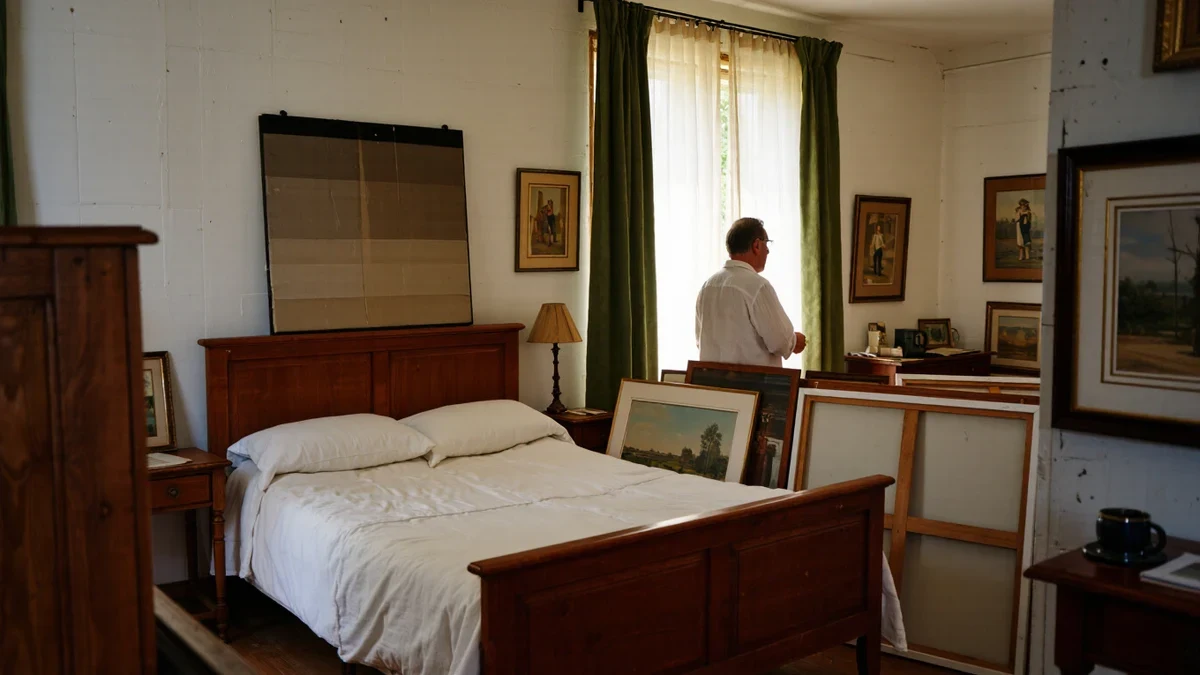
For privacy, convenience, and address. A suite offers a controlled environment where a designer can run fifteen appointments a day — buyers in the sitting room, press in the bedroom-turned-studio, looks hung on the closet rail — without leasing a space they need only eight days a year. For traveling buyers, the hotel is the itinerary: appointments stacked floor by floor in a single building beat cross-town taxi arithmetic in February.
The economics favor both sides. A brand pays an event-level rate for less than a week and inherits housekeeping, security, and prestige address; the hotel fills inventory during nights that would otherwise sell at standard corporate rates, at multiples of normal revenue once food-and-beverage minimums are counted. Per the way hotels structure such partnerships, the suite becomes, briefly, the most profitable room in the building.
What kinds of businesses take the suites?
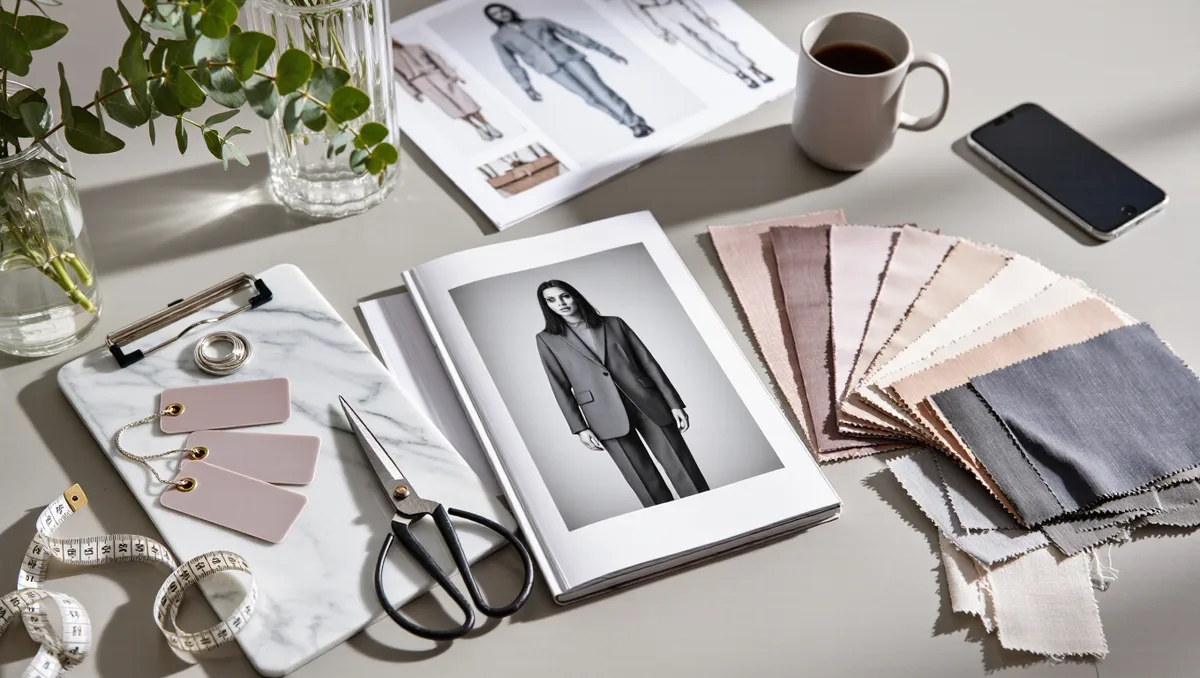
A wider range than the suite system advertises. Independent designers without permanent showrooms use them as their entire fashion week base. International brands use them for New York appointments without committing to a local office. Jewelry and accessories houses prefer suites for the intimacy of close-up selling. And an adjacent economy — beauty brands running braiding and manicure stations, gift suite operators courting talent, PR agencies hosting press previews — fills the mid-tier hotels, where a junior suite and a catering menu turn any room into a temporary venue.
The suite formats have recognizable genres: the appointment showroom, the press preview with numbered looks, the gifting suite where celebrities are photographed with product, the private dinner for a dozen, and the after-party that ends the night in a room with a terrible view of tomorrow's 8 a.m. call times. Each genre books a different tier of hotel, from the midtown institutions to the boutique properties of NoMad and the Lower East Side.
Who actually visits these suites?
Far fewer people than the industry's mythology suggests. A productive suite-showroom might see thirty appointments across a week, each lasting twenty minutes and consisting of two or three professionals examining garments closely. The point is depth, not traffic: a single buyer writing a season's order outweighs a hundred drop-ins. That intimacy is the format's advantage over every other fashion week venue — nothing about a runway show lets a client touch fabric for half an hour.
How does the suite economy work for the hotel?
As event infrastructure with housekeeping. Fashion-week suite packages typically bundle the room rate with food-and-beverage minimums, security, freight-elevator access, and early check-in for racks of clothing — the unglamorous logistics that decide whether a showroom functions. Hotels with strong event teams market directly to PR agencies each season; the agencies, juggling a dozen clients, value a building they can trust more than any single suite's décor.
The staff feel the season too. Housekeeping teams reset suite-showrooms between appointments; banquet floors run breakfast for buyers who eat in the elevator; front desks manage guest lists that change hourly. For eight days, a luxury hotel operates as a vertical mall of private rooms, and the professionalism of its back-of-house is as visible to the industry as any lobby's flowers.
Why does the suite persist when showrooms are permanent?
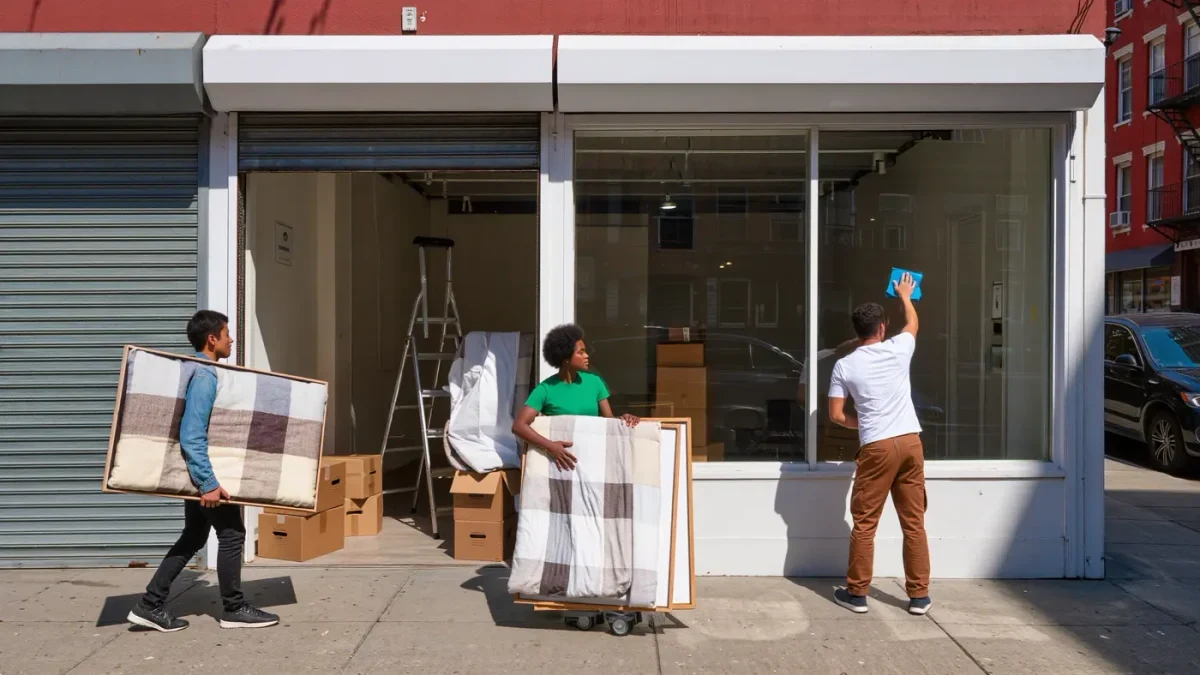
Because the suite sells scarcity in both space and time. A permanent showroom is infrastructure; a suite for six days is an event — press write the address, the brand's Instagram tags the hotel, and the appointment acquires the texture of an occasion rather than a meeting. Fashion week is a festival, and the suite is its pop-up stage: here for a season, documented, gone.
The format has also survived the industry's consolidation. As brands cut fixed costs, short-term space became the rational default; as showrooms went hybrid, the in-person appointment grew rarer and therefore more valuable, worth a suite rate for the brands that could command one. The pop-up economy did not replace the showroom — it priced the difference.
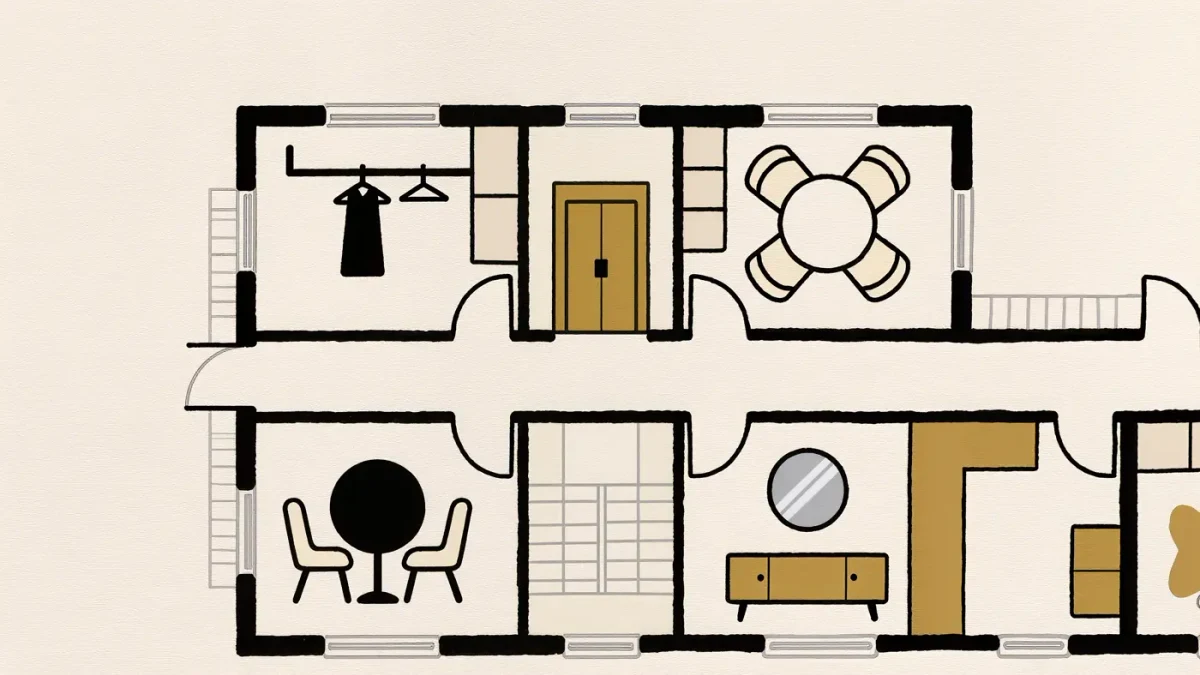
The geography has loosened as hotels multiply. Midtown's institutions still anchor the appointment economy, but boutique properties downtown now court the same trade, and suite pop-ups appear anywhere a fashion week crowd beds down — which shifts as the shows themselves migrate between venues and boroughs. The suite follows the schedule; the schedule follows the real estate; the real estate follows the city. Fashion week's hotel economy is, in the end, a mirror of the city's own hospitality arithmetic.
That's the whole trick of the hotel suite during fashion week: it rents fashion its privacy by the night, converts a bedroom into a boutique, and disappears before the ink dries on the coverage. The best pop-up in New York is a room that never admits it was a venue at all.