
Style
Stylevana vs. Stylekorean: Where to Shop K-Beauty
Two overseas Korean skincare shops, one real question: which one gets the serum to your door for less?
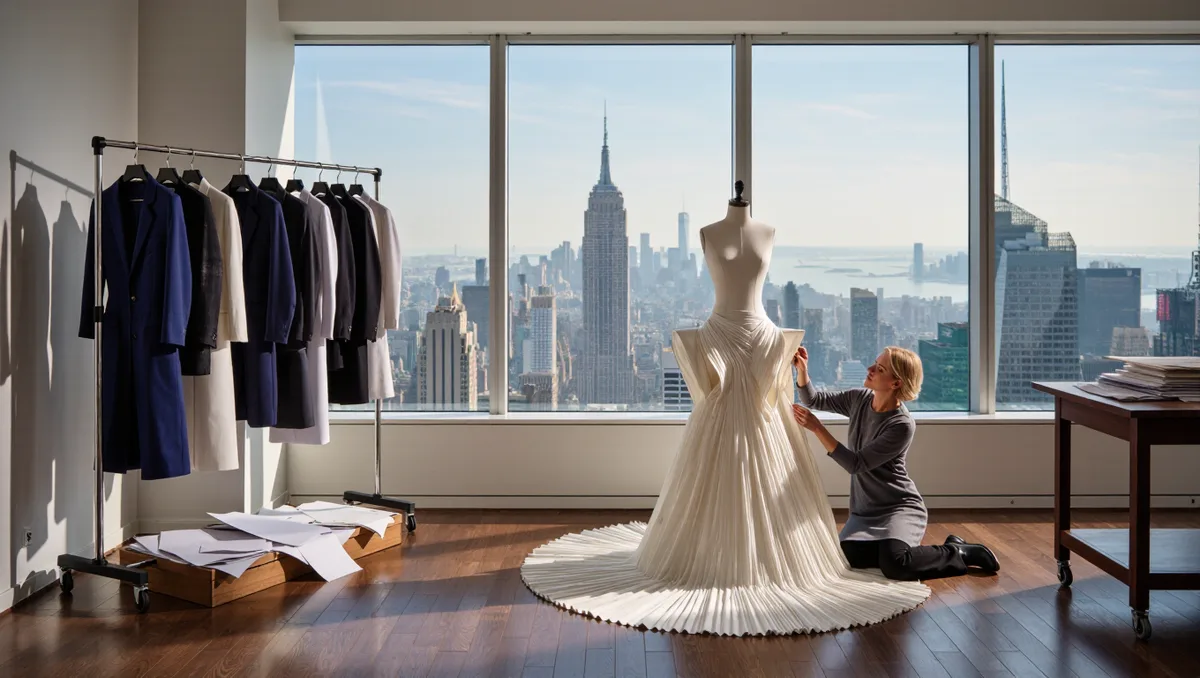
A look is cut for a single form, and everything downstream — casting, alterations, the showroom — follows from that.
Her first appearance since September, and the casting math says everything about what the show asks of its models.
Shows, seats, and the business behind them.
Two overseas Korean skincare shops, one real question: which one gets the serum to your door for less?

A newcomer's guide to the season where black stopped being a backdrop and became the whole point.
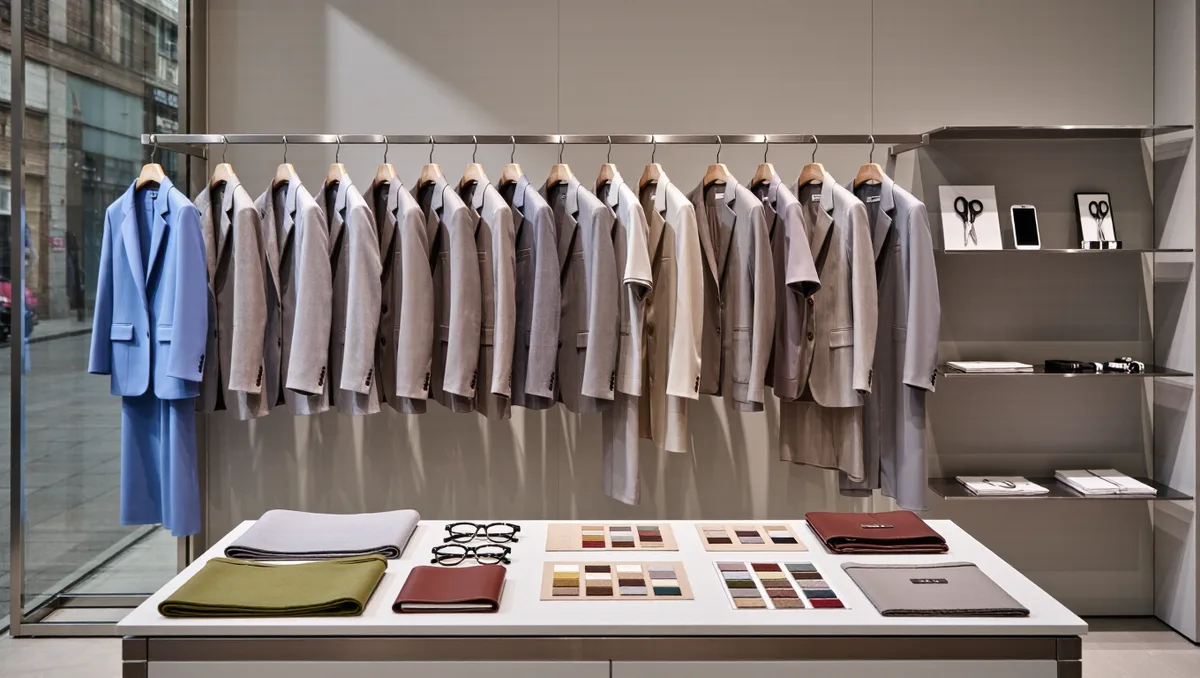
A wardrobe audit that turns impulse buys into a look you can repeat without thinking.
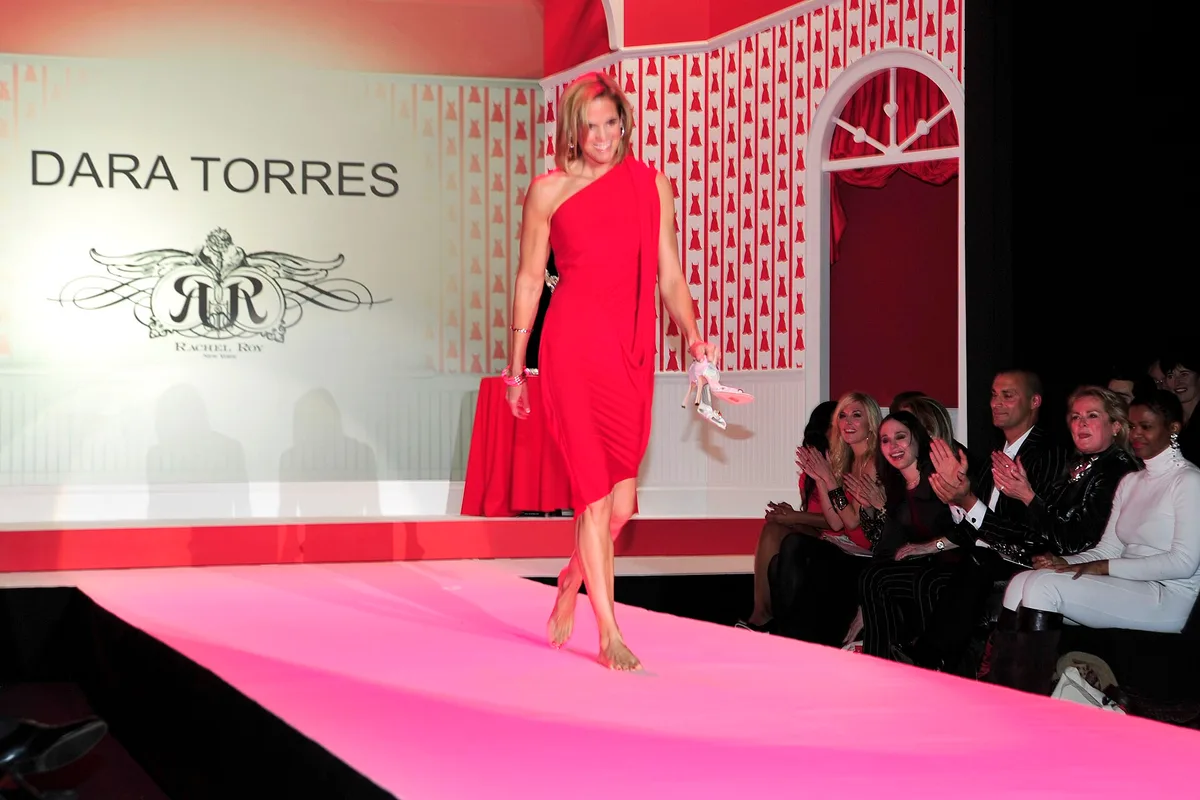
A practical decoder for fashion week party dress codes: how to read the invite, the venue, and the hour, and build an outfit that works in the room.

Open bars, name tags, and small talk with people who sign your checks — a working guide to the office party season without the career-damaging missteps.
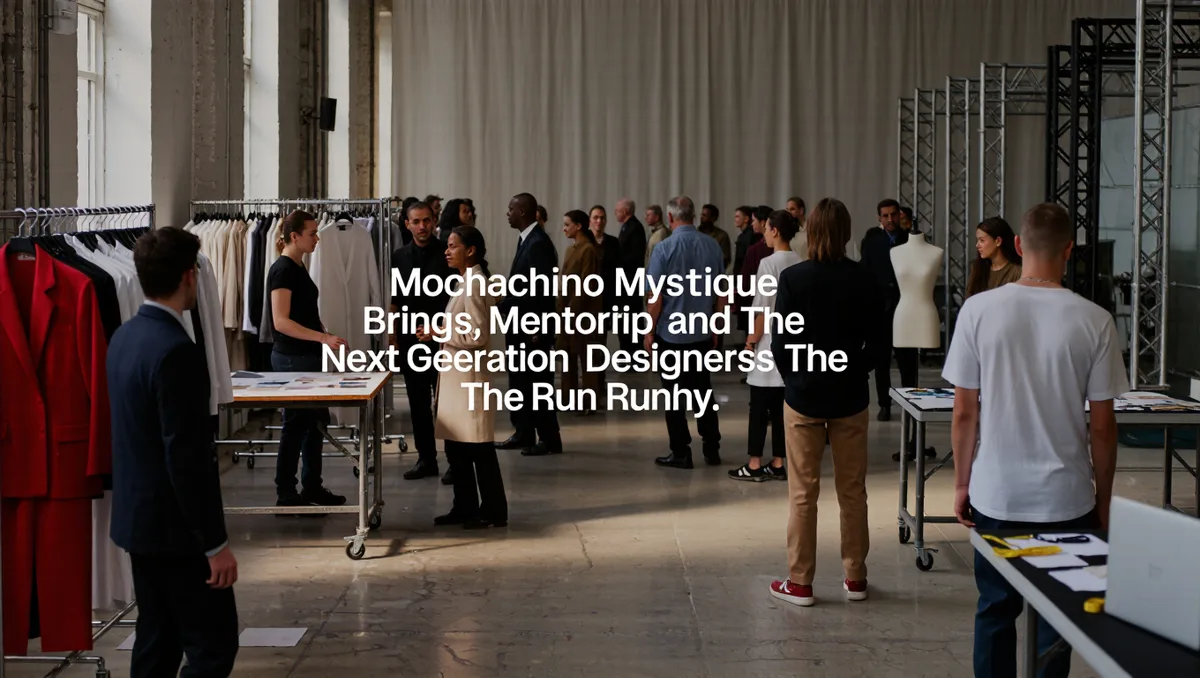
Mochachino MYSTIQUE puts teenage designers from a Boys & Girls Clubs program on a professional runway — and the format is worth studying.
The quietest admission ticket in New York is the one already in your wallet.
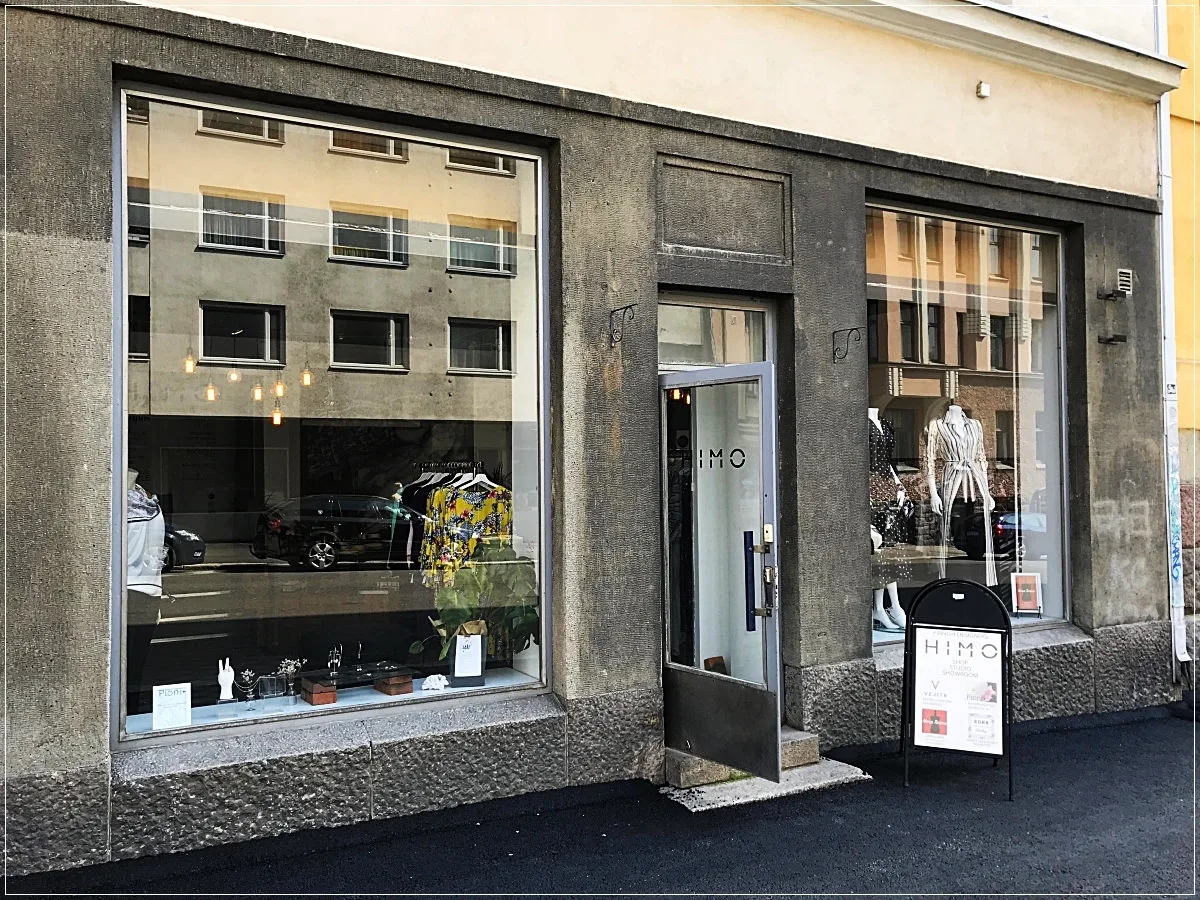
The show is the argument; the showroom is the signing. How wholesale works, what buyers do between fashion weeks, and why direct selling changed the room.

How to tell a true period piece from a later repro before the price tag tells you first.
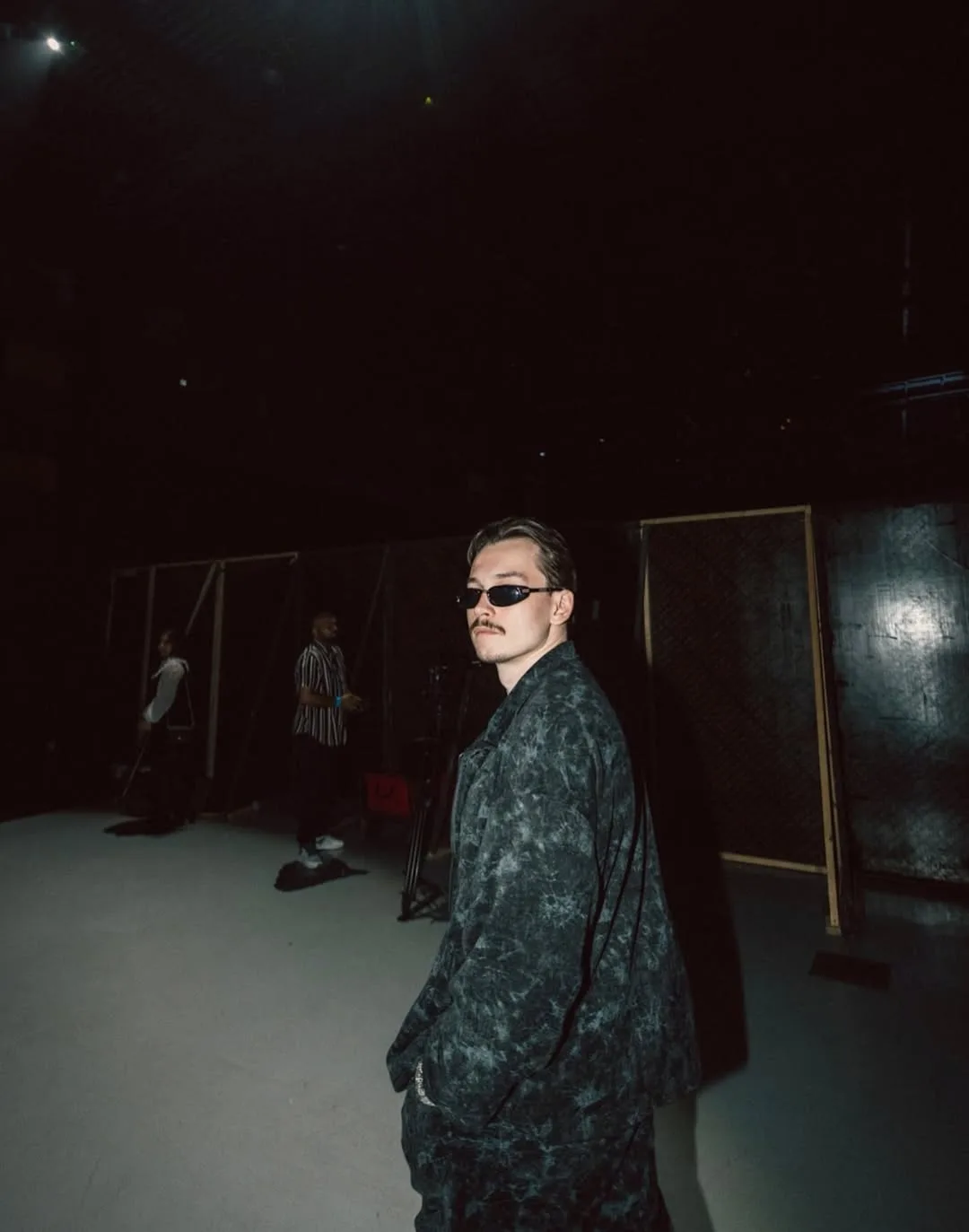
The runway is twelve calm minutes. Everything that makes it look easy happens in the weeks, hours, and final sixty seconds before it.
Painkiller Atelier's path from a three-look experiment to a 30-look show in Bangkok offers a working method any emerging designer can borrow.
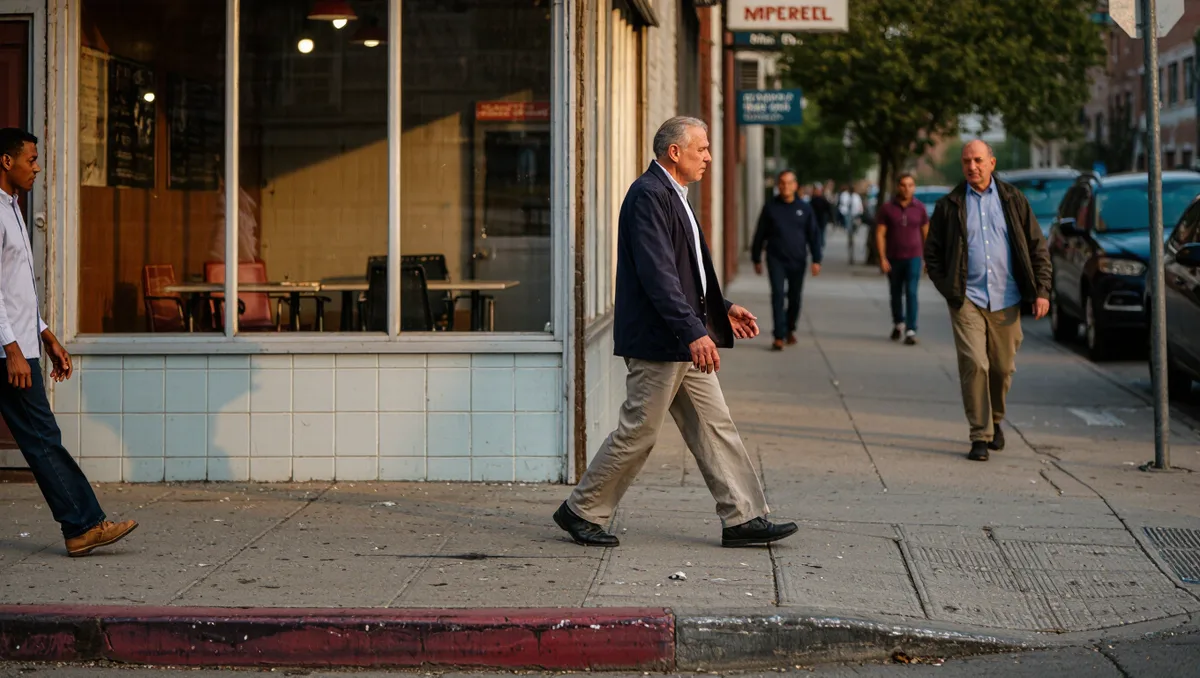
The best seat at a fashion show is rarely bought. It is traded, owed, or earned — and the trade is never written down.
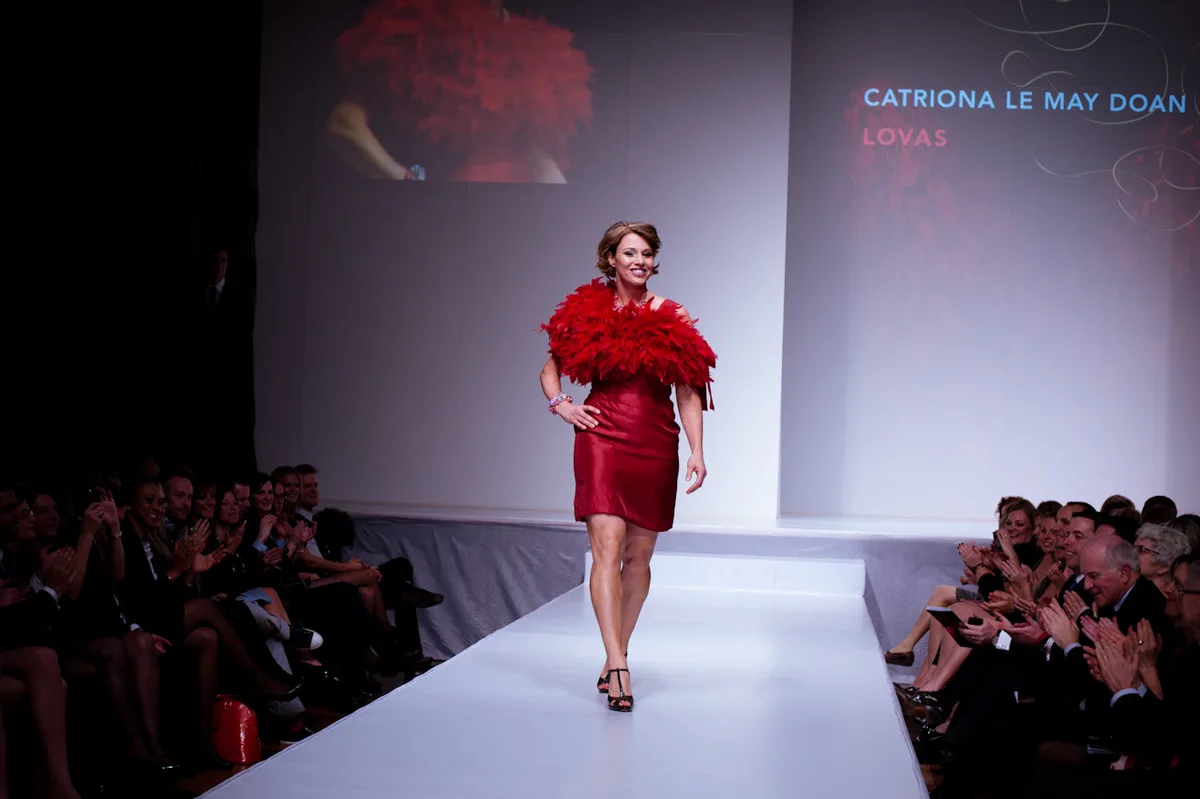
Fashion internships may be paid, unpaid, or covered by a stipend. Here is how the pay works, what the law expects, and what the months teach.

Saks Global completed its acquisition of Neiman Marcus Group in December 2024, putting Saks Fifth Avenue, Bergdorf Goodman, and Neiman Marcus under one owner for the first time.
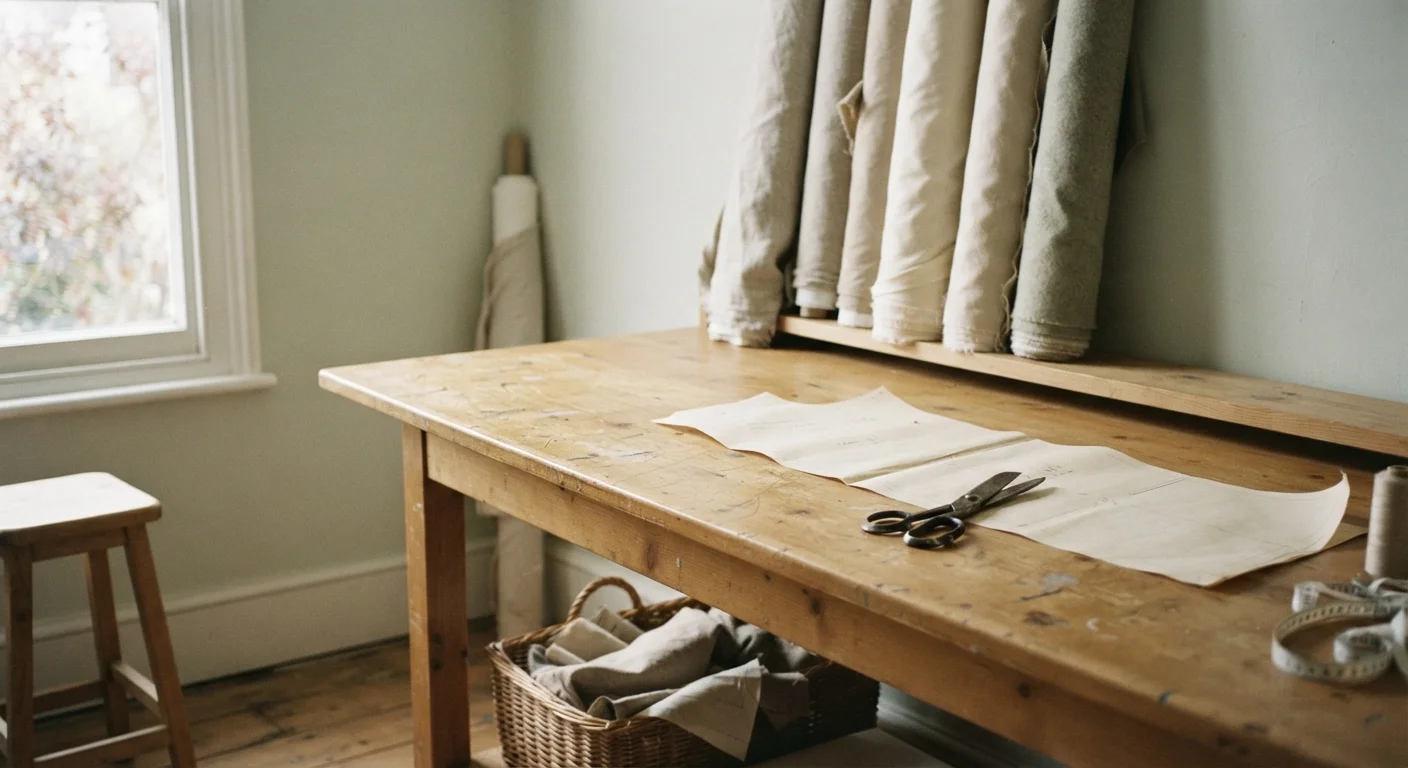
The Garment District — roughly West 35th to West 41st Streets, Broadway to Ninth Avenue — still concentrates hundreds of apparel businesses within walking distance of one another: patternmakers, sample rooms, button…
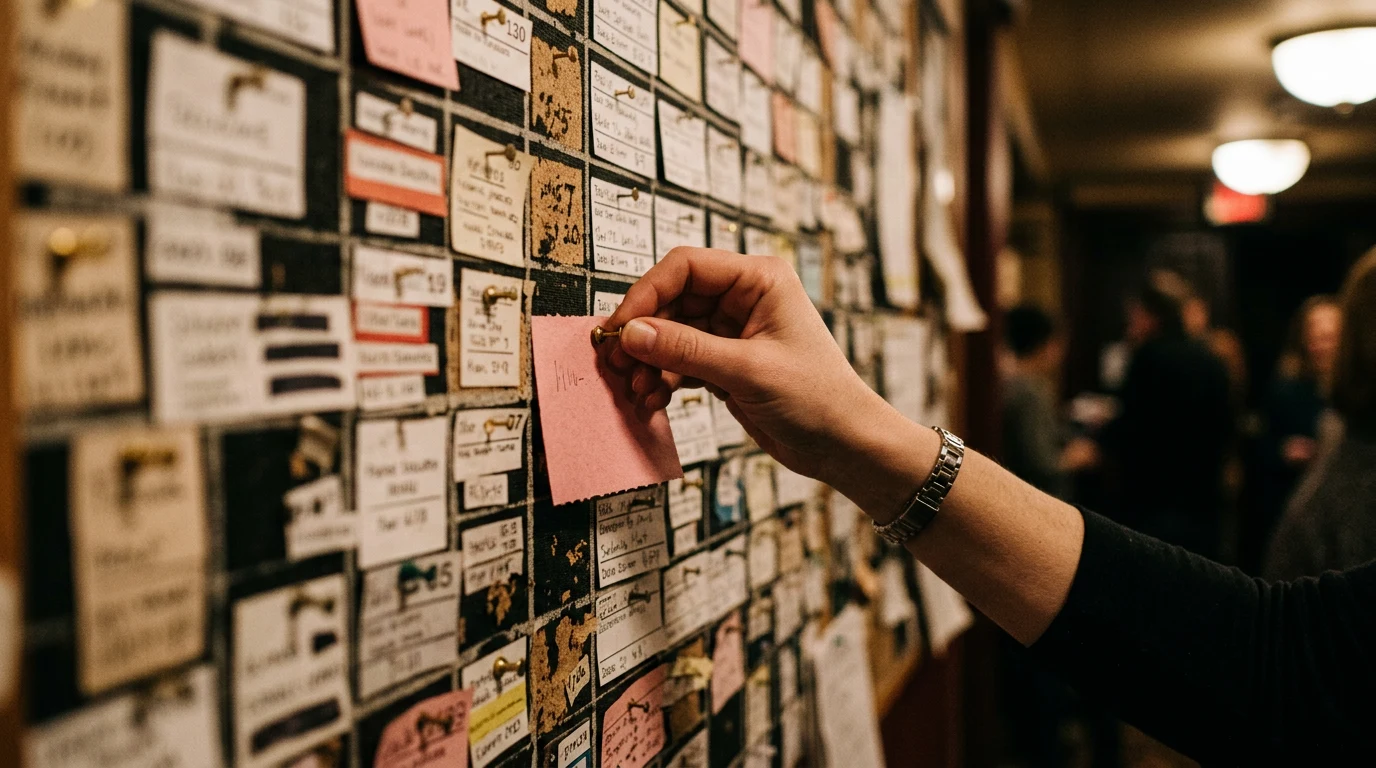
Long before there was a CFDA schedule, there was one woman, a phone line, and a stack of index cards deciding who got a slot at New York Fashion Week.
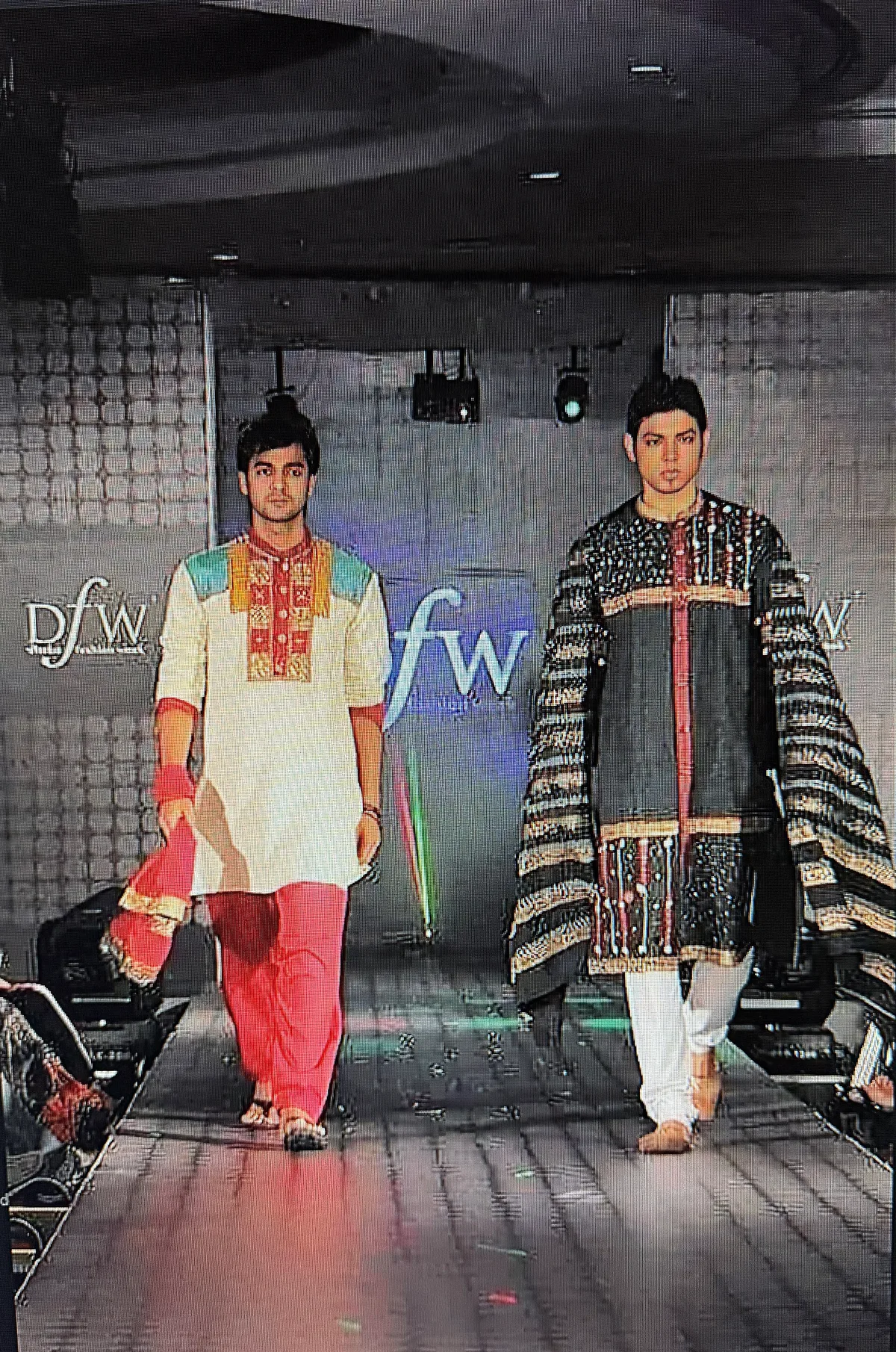
Posture, pace, and the pivot that reads effortless — broken down seam by seam.
Grants, galleries and venues do the quiet work that a city's creative reputation takes credit for.
A standing guide to the city's most dependable cultural fixtures, and how to build a weekend around them.
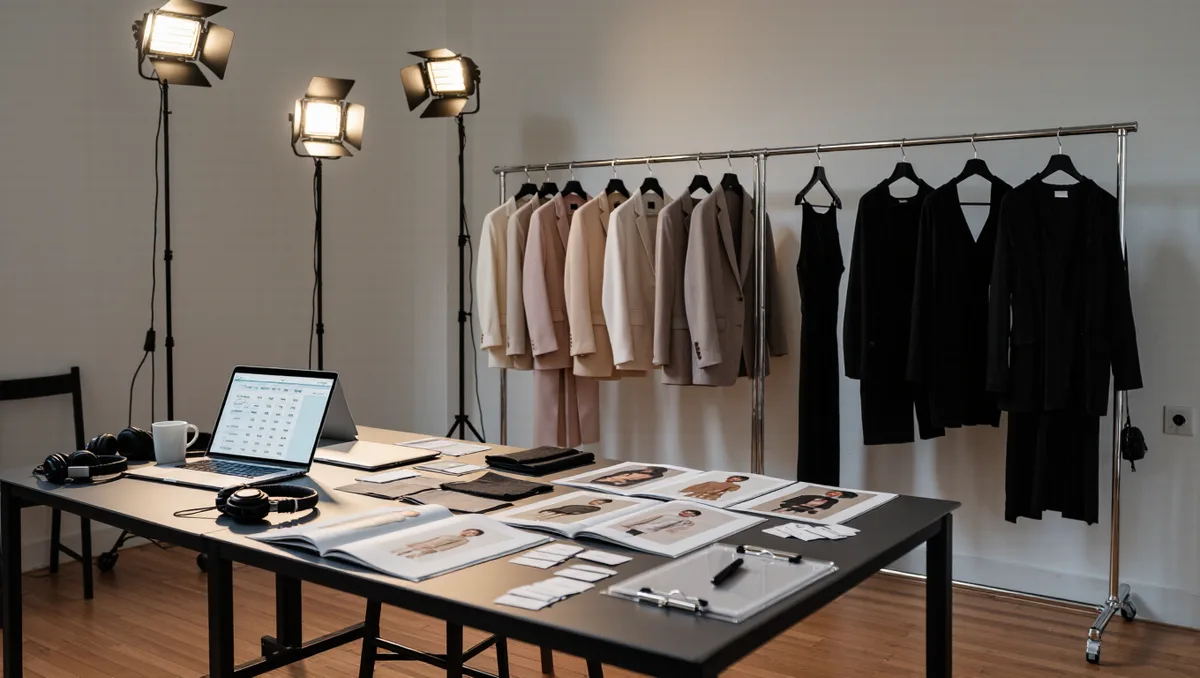
How invitations, seating charts, and after-parties actually work for newcomers — and what nobody tells you before your first one.
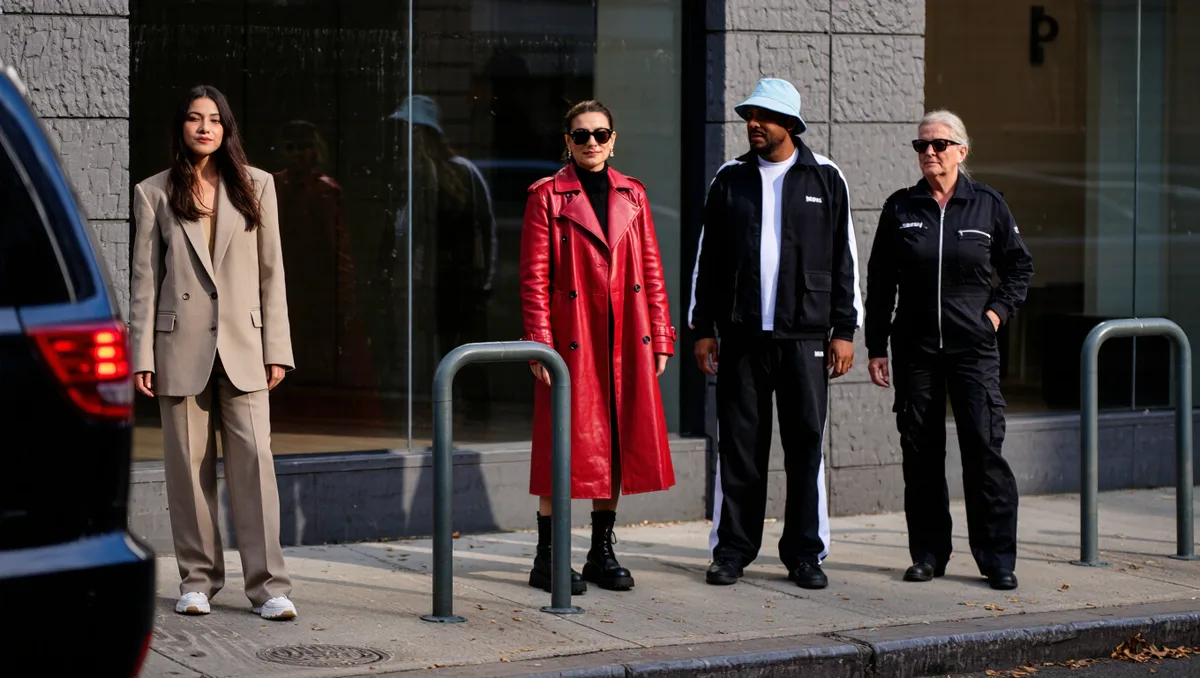
Royal purple, statement brooches, cummerbunds and Conner Ives — what the street-style crowd actually did with them, and how to copy the moves.
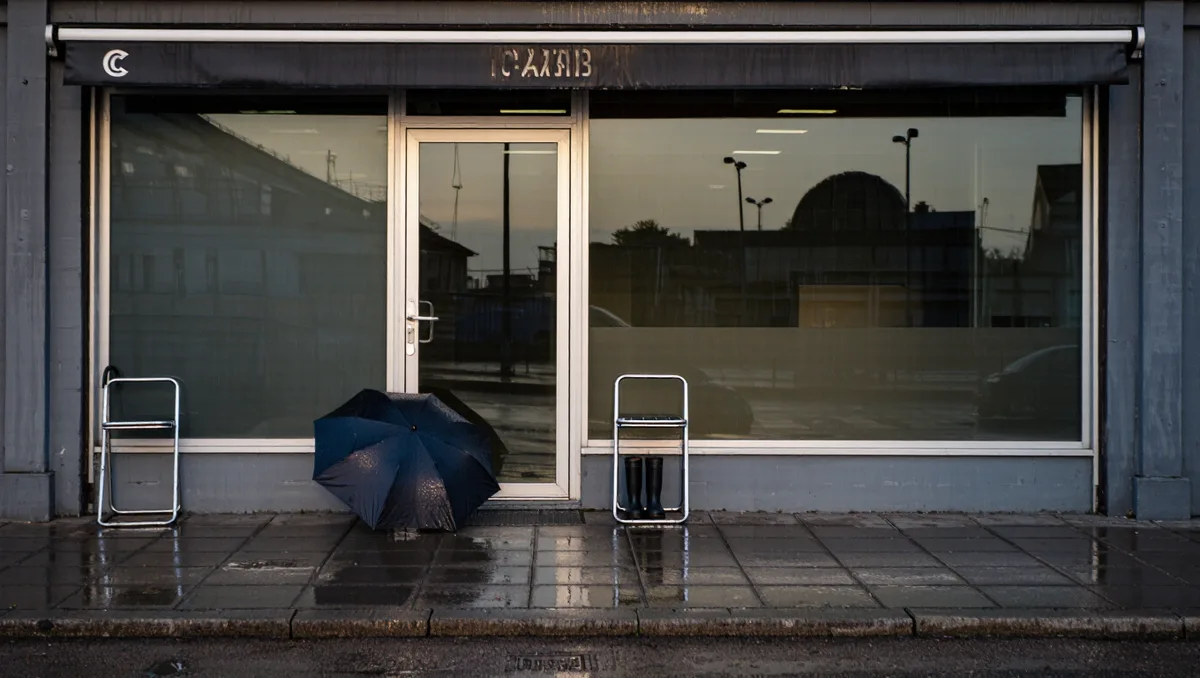
Wet sidewalks, packed subway cars and an office dress code — a rainy day outfit has to survive all three. Here's how to build one.
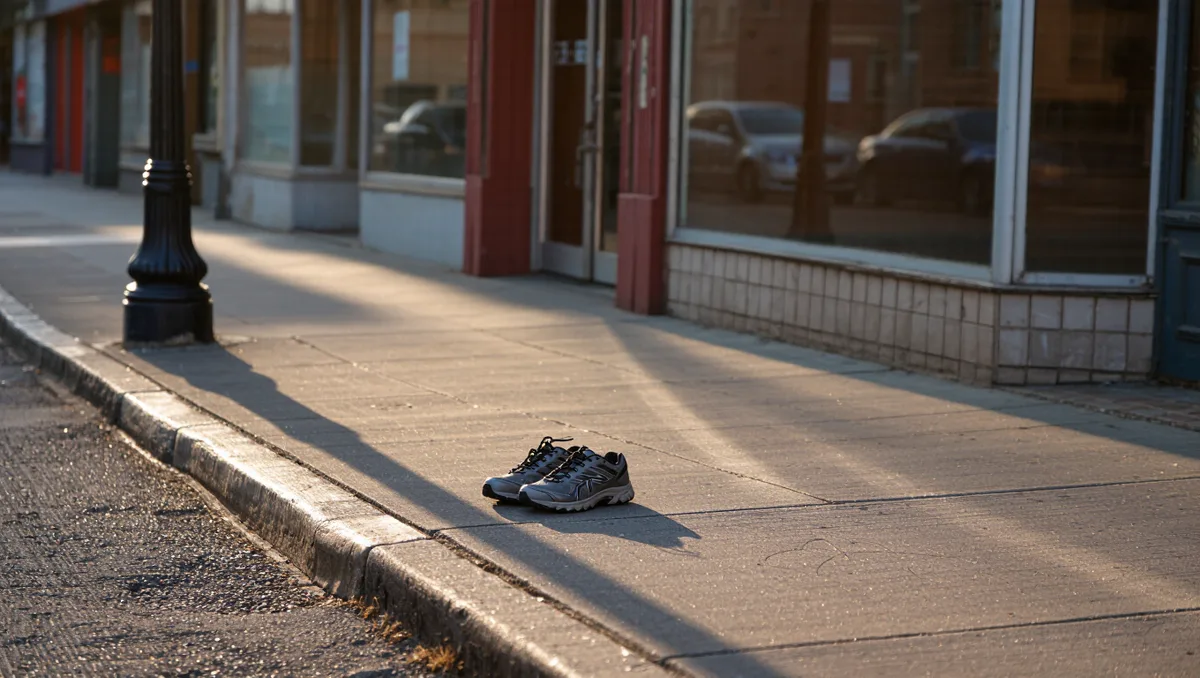
Twenty blocks of pavement is a real commute. Treat it like one.
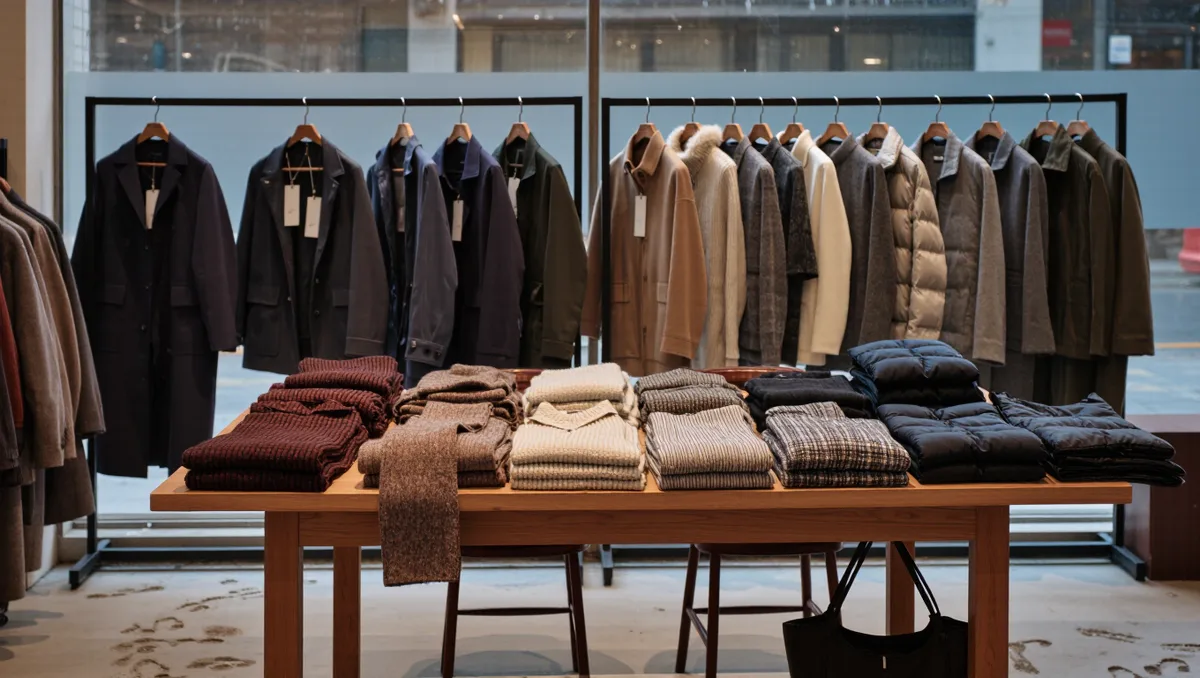
A three-layer formula built for the city's real problem: the 20-degree walk and the 72-degree subway car.