Runway
How a Small Label Turns Three Recycled Looks Into a Full Runway Collection
Painkiller Atelier's path from a three-look experiment to a 30-look show in Bangkok offers a working method any emerging designer can borrow.
Runway covers the New York shows in detail: silhouette, fabric, casting, staging and running order, followed by an assessment of what buyers are likely to take. Off-calendar presentations are included. Intended for readers who want criticism rather than a gallery of photographs shot from the pit.
Painkiller Atelier's path from a three-look experiment to a 30-look show in Bangkok offers a working method any emerging designer can borrow.
The best seat at a fashion show is rarely bought. It is traded, owed, or earned — and the trade is never written down.
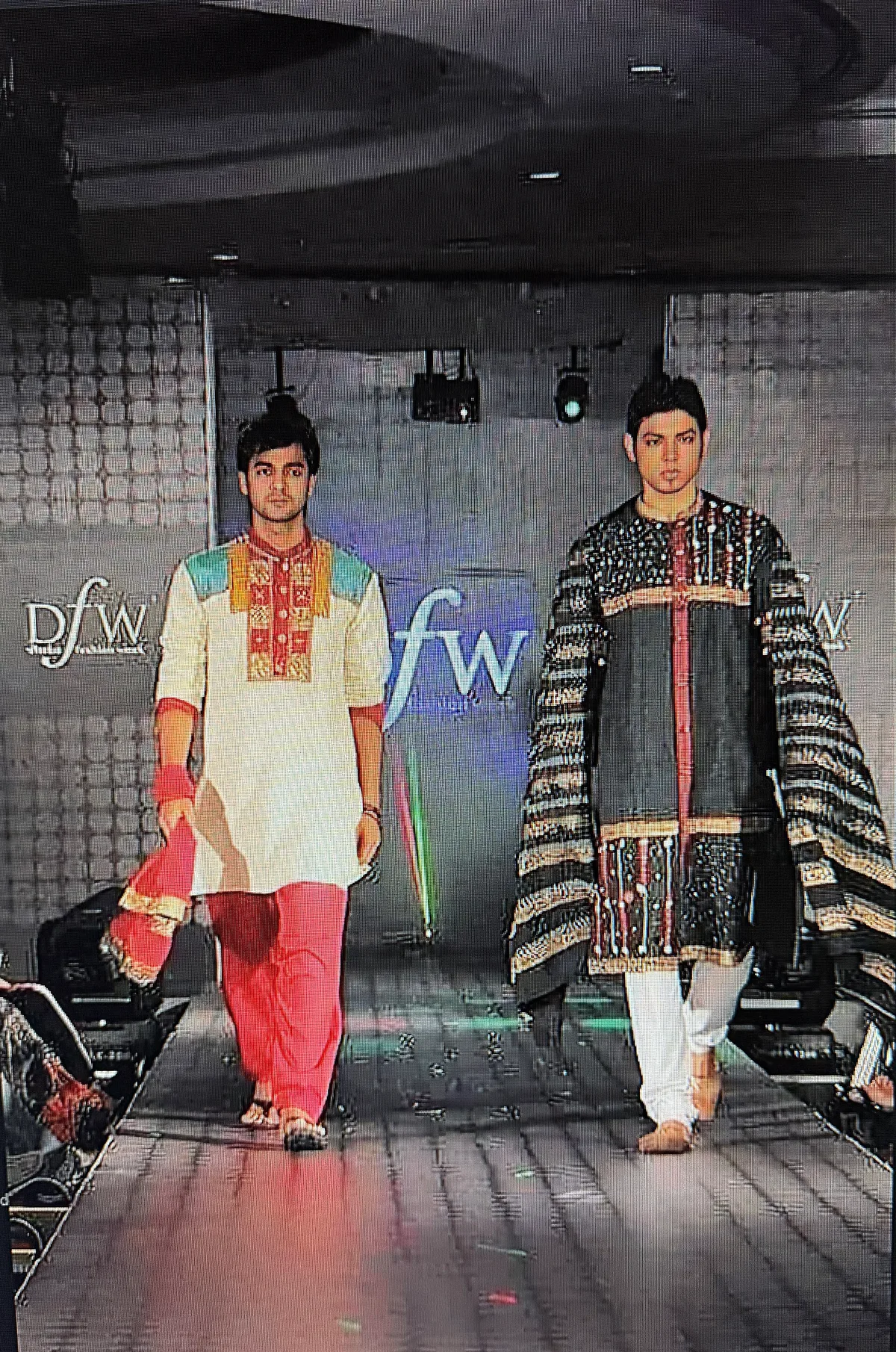
Posture, pace, and the pivot that reads effortless — broken down seam by seam.
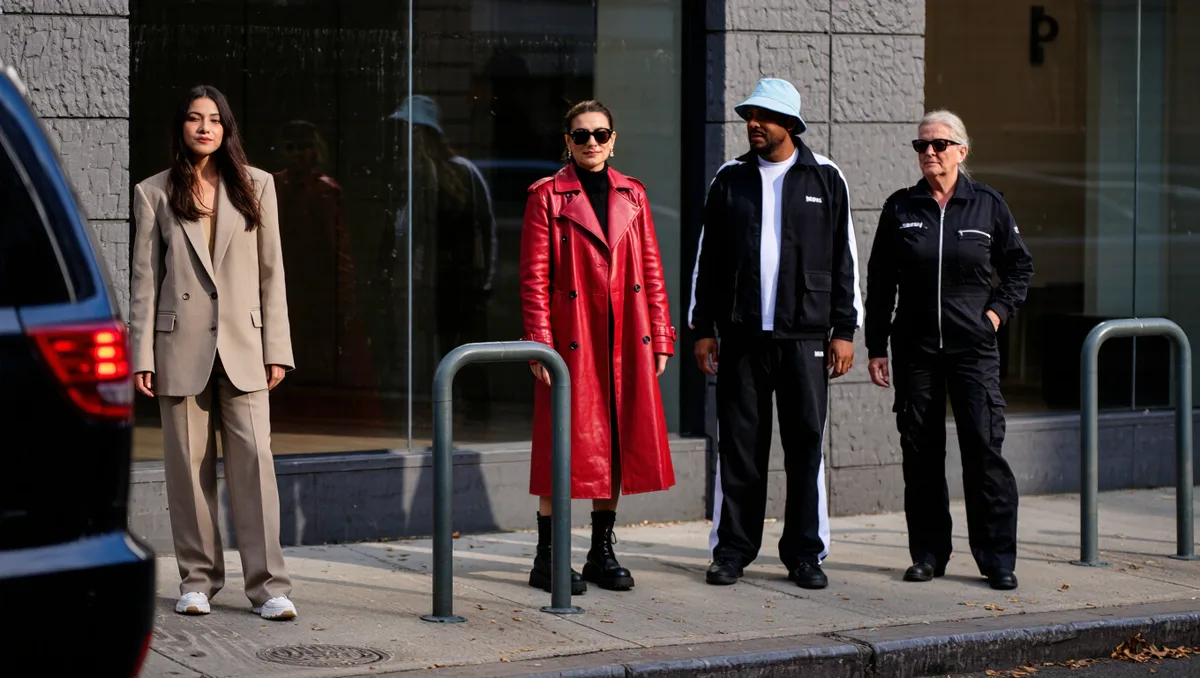
Royal purple, statement brooches, cummerbunds and Conner Ives — what the street-style crowd actually did with them, and how to copy the moves.
The order of a show is not accidental. It is an argument, delivered one garment at a time.
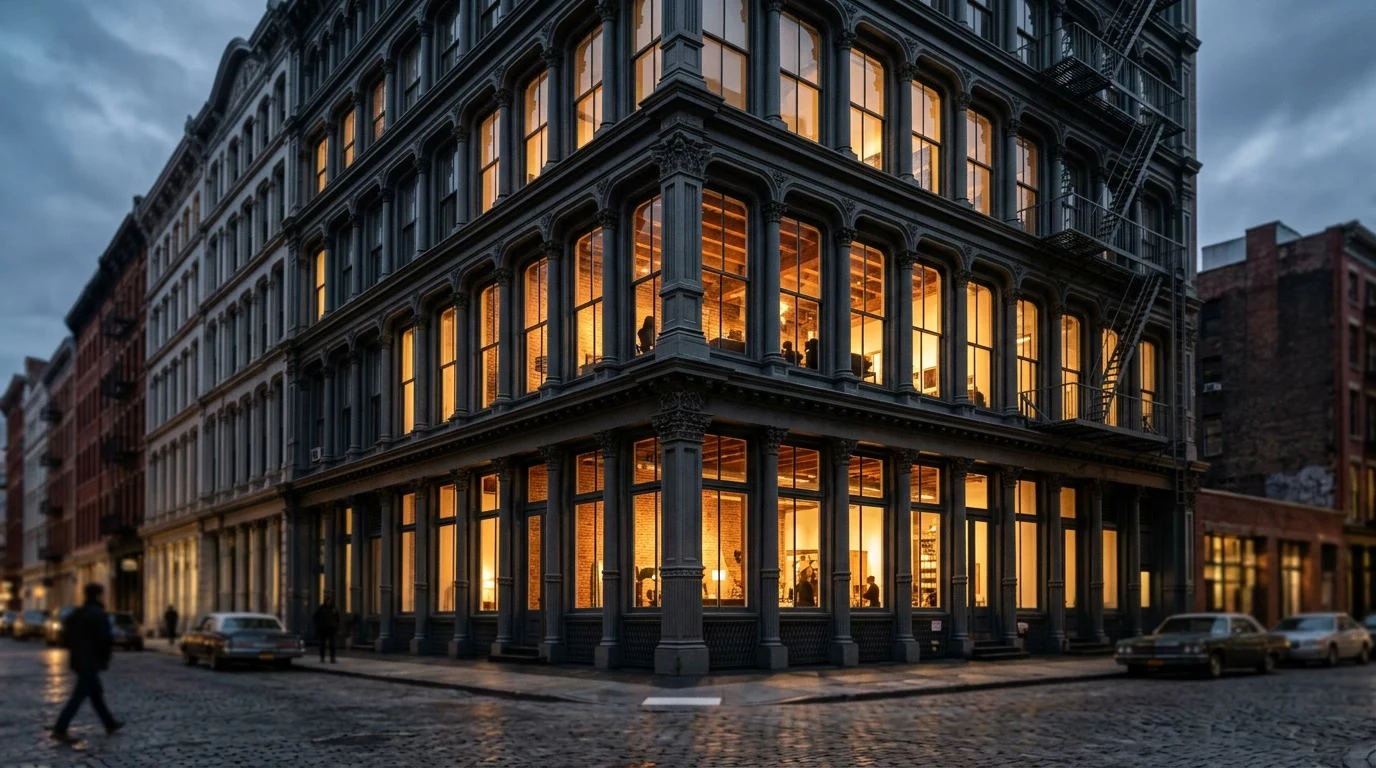
The CFDA runs the official New York Fashion Week schedule, but it doesn't own a single stage — which is how one Tribeca studio complex ended up hosting a critical mass of September.