Culture sets New York fashion inside the city producing it: costume exhibitions, nightlife, music, restaurants and the commercial rents pushing studios out of Manhattan. Pieces connect what appears on a runway to whatever is happening ten blocks away. Aimed at readers who follow the whole city, not one industry.
New York fashion in context: museum shows, music, nightlife, restaurant openings and the rent pressure deciding where designers can afford to work.
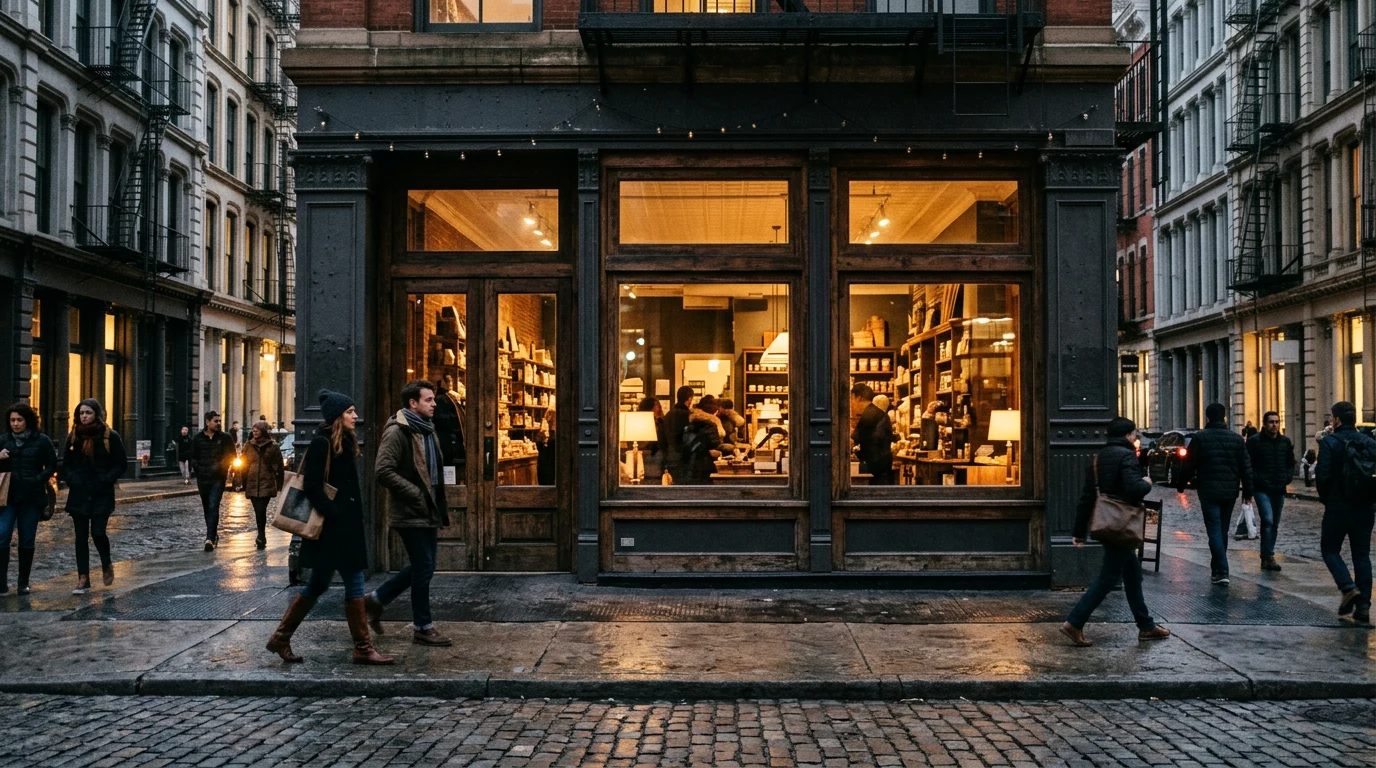
Six years after closing its Madison Avenue flagship, Calvin Klein rebuilt its New York retail presence inside a loft-style store at 530 Broadway. What the move says about SoHo's current pull on American brands.
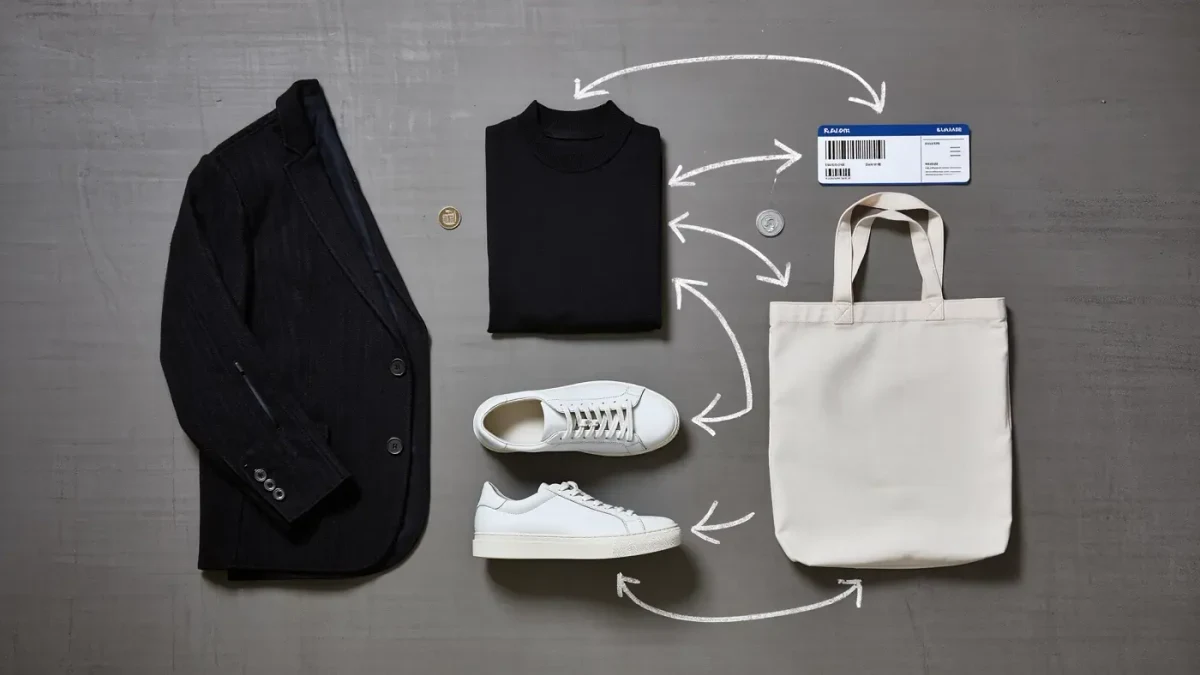
The 'New York look' worn in Manila, Milan, and Minneapolis is produced by a supply chain as organized as any garment one — four industries, one product, exported worldwide.
NYU and Parsons share a campus that is really just a neighborhood — and the student look that once made the Village a style capital has thinned, standardized, and moved indoors.
A dress code that took fifty years to write gets reposted out of existence in a season — but the feed never actually covered every block, and the local code survives where the camera doesn't go.
From Holly Golightly's black dress to Carrie Bradshaw's tutu, the on-screen New York wardrobe is a costume in both senses — worn by billions of viewers who have never lived here.
Editors, stylists, models, and retail legends keep landing on bestseller lists — the fashion memoir has quietly become publishing's most reliable prestige genre, and New York is its headquarters.
A senior thesis collection costs a semester and a rent check — but in New York, the graduation show is not a ceremony. It is the most consequential job interview in fashion education.
A museum vitrine is supposed to certify importance — so what changes about streetwear, and about the museum, when Brooklyn's galleries and Manhattan's institutions start collecting it?
Realness, voguing, the walk, the category — the downtown look that fashion magazine credits as its own was drafted, category by category, on Harlem and downtown ballroom floors.
The Costume Institute at the Met and the Museum at FIT hold well over eighty thousand garments between them — and between the two of them, they remember what the city wore.