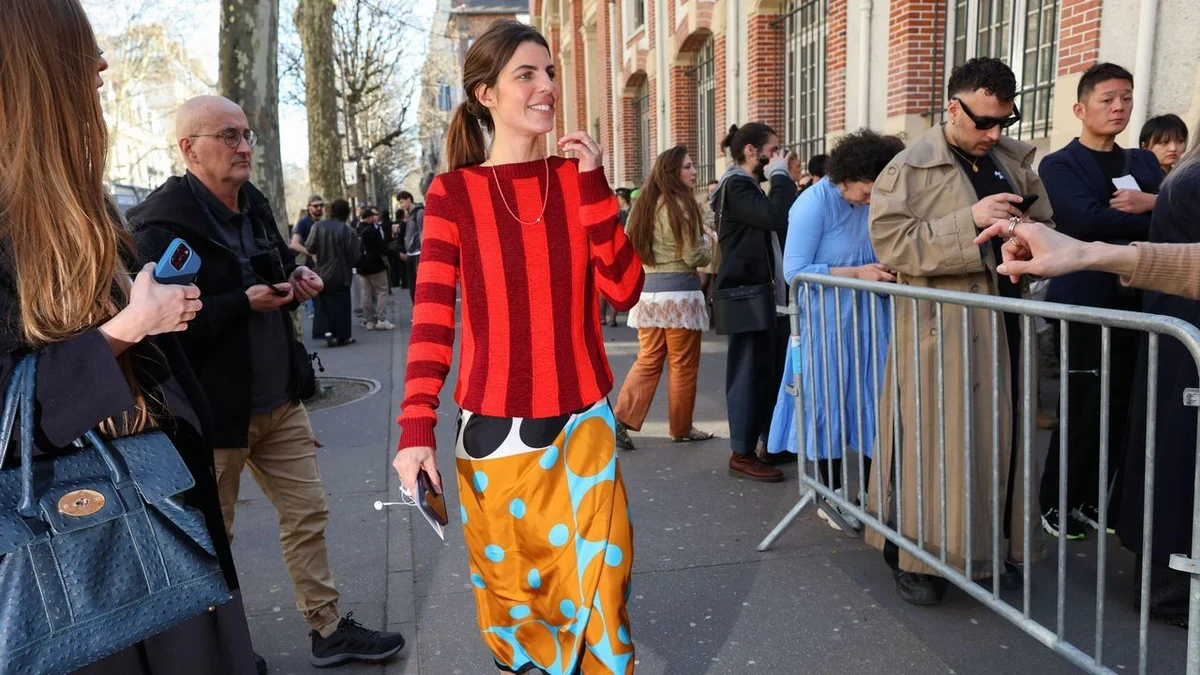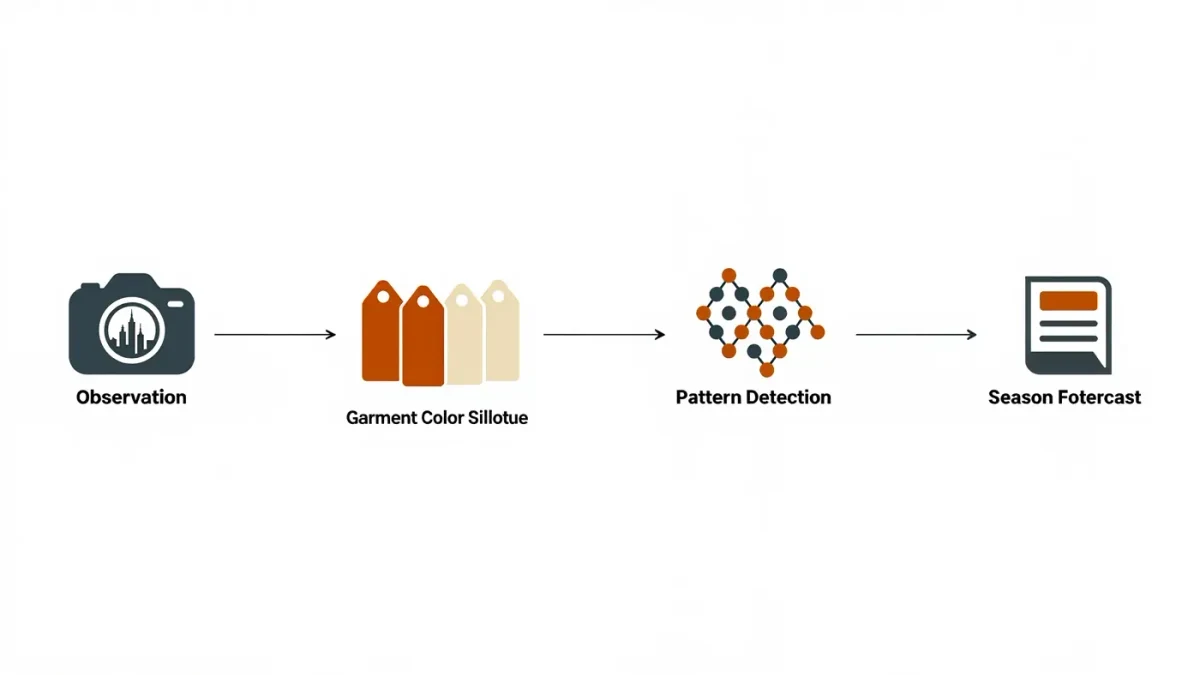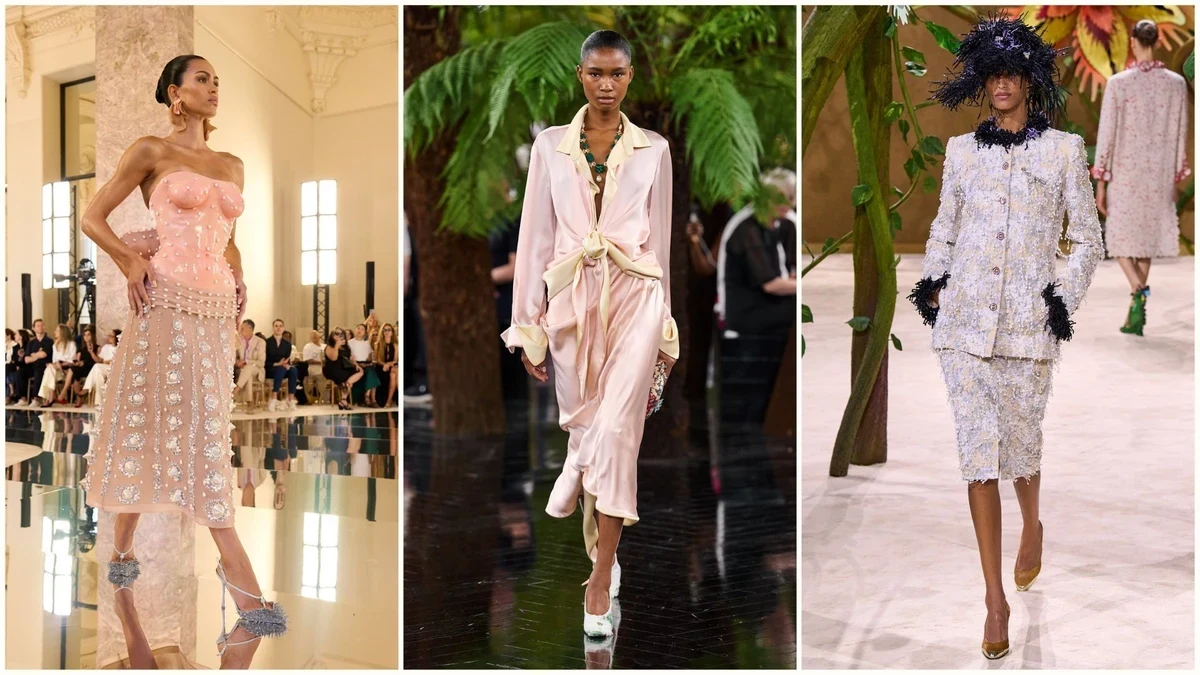
The mob outside a fashion show is not a mob; it is a pit, assigned and load-bearing. Show producers rope off a photographer's corral at the venue entrance weeks in advance, publications claim positions in it, and the shooting order follows an economy of access that determines whose camera sees which coat first. What looks like chaos from the sidewalk is one of the most structured workspaces in the event industry.
Every September and February, the sidewalks outside Manhattan's show venues — the Spring Studios complex in Tribeca in recent seasons, the Chelsea piers, or whatever industrial space the calendar has colonized that year — turn into a working corridor of photographers, publicists, and the dressed. The pit is its workplace, and it has its own rules, seniority system, and pay scale.
What exactly is the pit?
A cordoned shooting zone at the venue entrance, usually metal barriers forming a shallow U, where credentialed photographers stand to photograph guests arriving for the show. The venue's production team builds it; the brand's PR agency controls the credential list; and inside it, positions are informally tiered by seniority — the established names stand at the sweet spot where the light and the sightline converge, newcomers fill the edges.
The design is deliberate. Producers angle the corral so that a guest walking from car to door spends eight to twelve seconds in optimal frame, a runway of sidewalk. The walk from the curb to the entrance is, functionally, a second show — unlisted, unpaid, and often better covered than the one inside.
Who gets a spot in the pit, and who doesn't?
Credential holders only, and the credentials flow from the brand's agency to a mix of outlets and independents: the legacy street-style photographers whose archives shaped the genre, the wire-service shooters, the digital platforms that turned the sidewalk into a content stream, and a rotating bench of freelancers. Space is finite — a busy show might field forty photographers in a corral built for thirty — so agencies rank requests by the size and quality of each outlet's audience.
The uncredentialed stand outside the barriers, shooting through the gaps, and their work is not worthless: candid frames from the public sidewalk are legal, and some shooters built careers from exactly that margin. But the pit's inner tier controls the clean images, and clean images are what pay.
When does the pit actually fire?
In bursts, timed to arrivals. Publicists stage their talent in cars around the block, releasing them in sequence so each gets a clean pass at the corral rather than arriving amid a pile-up. The pit surges when a marquee name is spotted, resets after the frame is made, and idles between batches — a rhythm of sprints that repeats from morning shows until the last evening presentation. The best pit photographers read the queue like weather, conserving attention for the arrivals that matter.
How do street style photographers actually earn money?
Through a patchwork of syndication, agency contracts, and direct licensing. A single strong image — a recognizable editor, a celebrity in a debut look — can earn hundreds of dollars per placement and sell to many outlets at once. The reliable earners are the archival names the industry requests by title; the volume players shoot everything that moves and let quantity carry the day. Per reporting on the image-licensing business over recent seasons, rates have compressed as platforms multiplied, which is why the pit keeps getting denser: when per-image prices fall, the answer is more images.
The subjects have their own economy in the same frames. Stylists, editors, and content creators dress for the corridor knowing a pit pickup can be worth more than a seat inside, and some of the most photographed people at fashion week never watch a single show. The sidewalk is their workplace too; the corral is the meeting point of two gig economies pointing cameras at each other.
How is the pit changing?
The cameras keep professionalizing while the field keeps crowding. Video and vertical formats have entered the corral — shooters now carry rigs that capture motion for platforms that want the walk, not the pose. Publicists manage arrivals on spreadsheets timed to the minute so their talent hits the pit while the light and the crowd are right. And venues have started designing entrances with the corridor in mind: awnings, controlled backdrops, curb cuts positioned for clean sightlines. The sidewalk used to ambush fashion; now fashion stages the sidewalk.
Etiquette has hardened along with the economics. Standing ground in the pit is seniority-based; cutting the corral earns a reputation; and the photographers police their own lines because the agencies behind them will. Regulars at the major venues know the pit's unwritten rules as well as any maître d' knows his room.
The destination matters as much as the spectacle. Photographer-heavy corners cluster wherever the calendar concentrates — the blocks around the main show venues, the entrances to after-parties, the special-event spaces that host presentations — and locals learn to route around them twice a year. The pit is one of the few workplaces that shuts down a sidewalk without most New Yorkers ever learning its name.
That's the whole trick of the street style pit: it manufactures the genre's central fiction — that great style is caught by accident on the way in — while running on scheduling, credentialing, and seniority as rigid as any newsroom. The candid moment is a production. It just looks better unplanned.