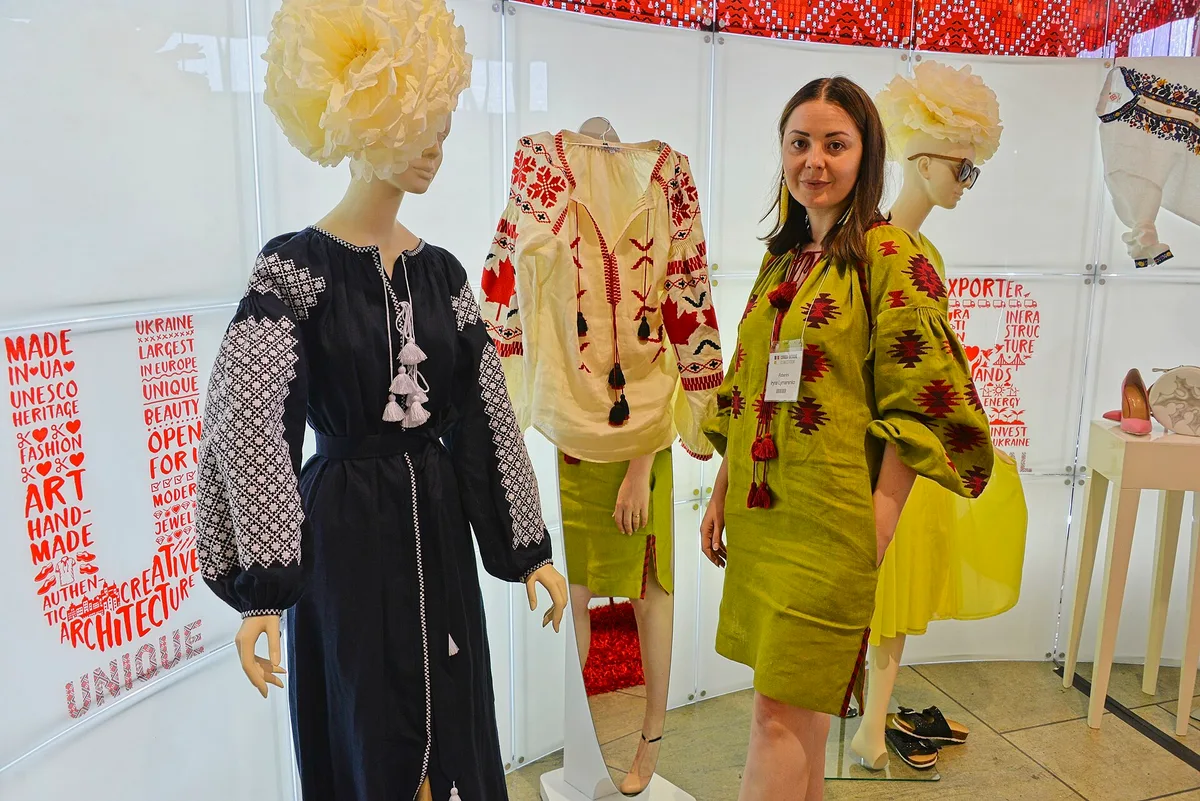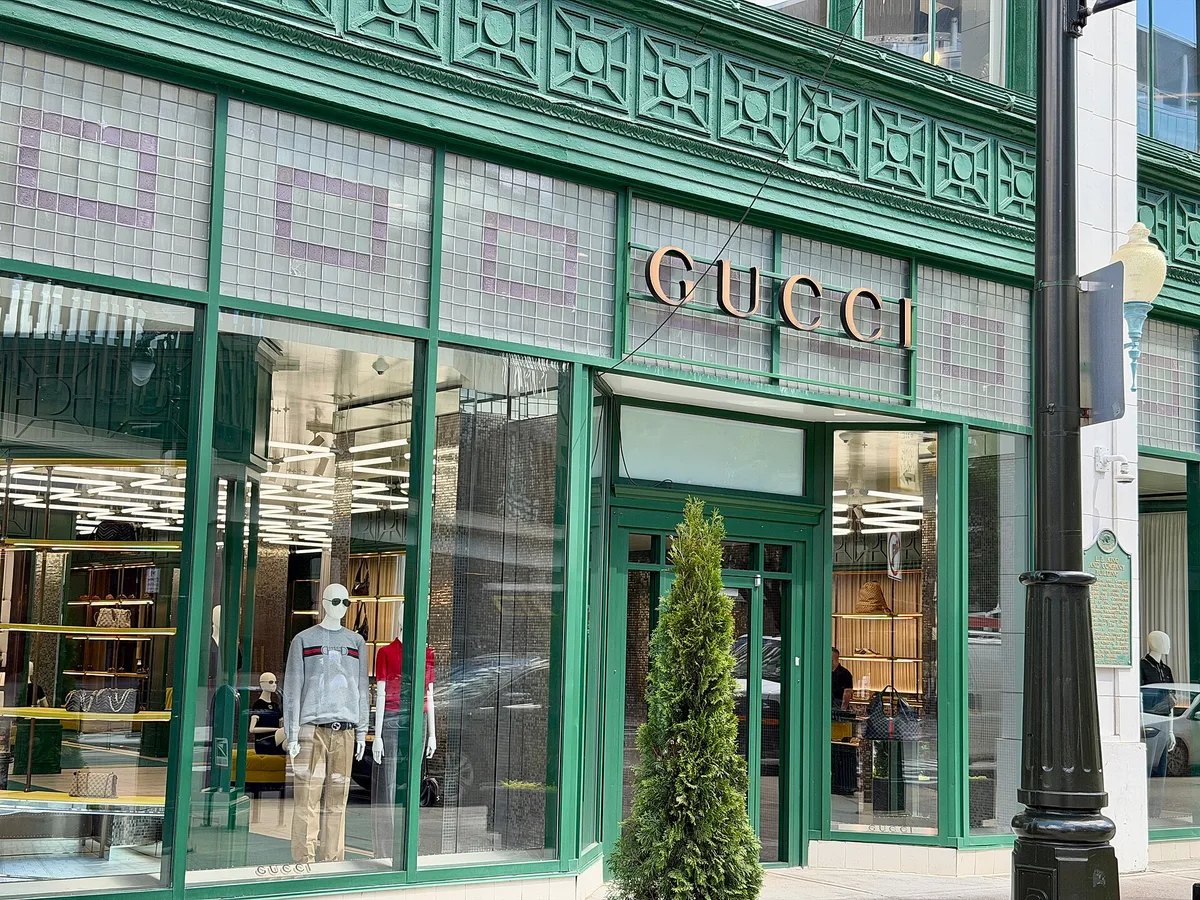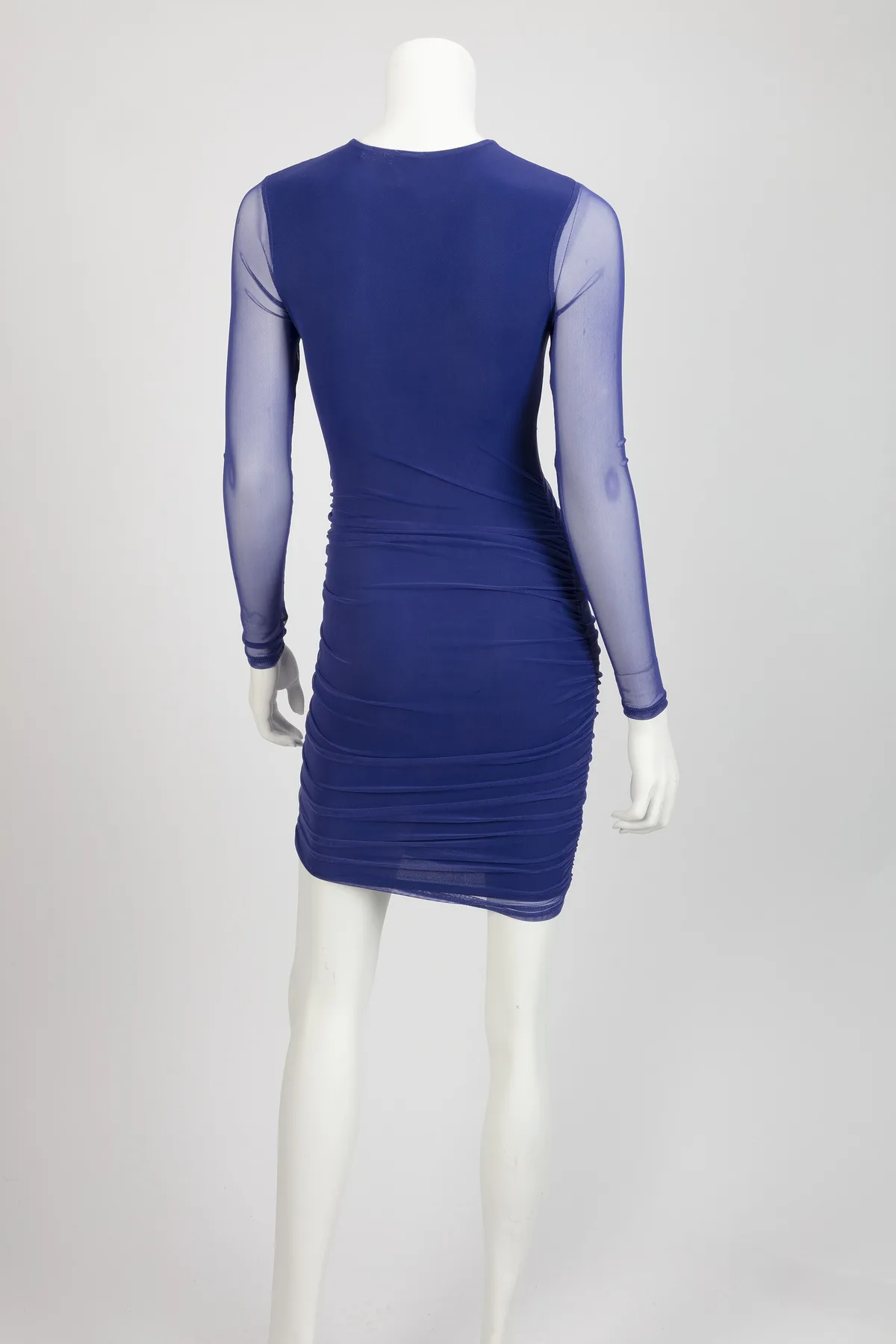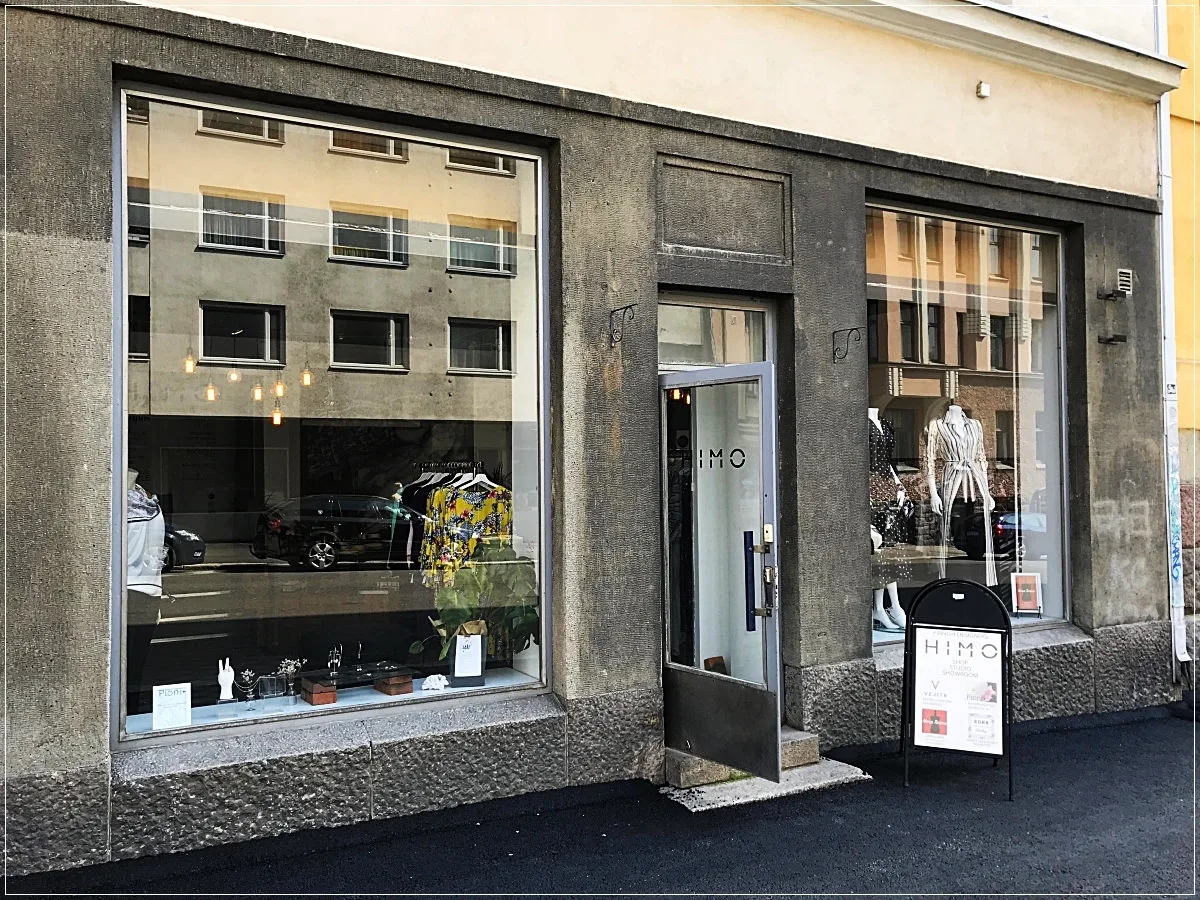
Runway lights get the attention; the paperwork happens somewhere quieter. Between fashion weeks, a brand moves into a showroom, and there — on racks rather than bodies — retailers walk the collection and write the orders that decide what stores will stock next season. If the show is the argument, the showroom is the signing.
The timing is not vanity. Because it takes time to put a garment on the market, designers have to anticipate what consumers will want months ahead, which is why collections debut on runways long before they reach stores, per the fashion design record. The runway shows the work to the audience that will sell it. Then the selling begins in a room most shoppers will never enter.
What Is Wholesale, in Plain Terms?
Wholesale is the sale of goods to retailers and other business users rather than to the end consumer, per the standard definition — goods move in bulk, usually bought from the manufacturer at a discounted rate, and the retailer resells them at a higher price to generate a profit. The dividing line is the customer. Wholesale trade mainly sells to organizations that will resell or use the goods in operations, while retail trade mainly sells to households. A store buying forty coats in autumn is wholesale. You buying one coat in spring is not.
Where Does the Showroom Fit in the Chain?
The showroom is where that business-to-business exchange gets personal. Designers sell through several routes — some in-house for fashion houses, others freelance, selling directly to shops or to clothing manufacturers, per the fashion design record — and the showroom is the standing room where a label's line meets store buyers face to face. Racks replace runways. Instead of one model wearing one look for a few seconds, a buyer can touch every fabric, check the stitching, and hang pieces together to see how they would sell as a group.
What Actually Happens When Buyers Visit?
An order gets written, piece by piece. Buyers assemble an assortment that matches their store's needs — sizes, colors, quantities. Their job mirrors what wholesalers do elsewhere in the chain: sort, grade, and create assortments that match buyer needs, then break bulk into smaller lots and repack. The showroom team translates the collection into numbers. How many units, in which sizes, delivered in which months. When the buyer signs, the brand knows what to produce. That is the real answer to what happens after the show. A spreadsheet happens. Wholesalers exist, in the classic telling, because they reduce friction between many producers and many buyers — consolidating supply from multiple sources, storing and handling goods, and connecting smaller players with the markets they could not reach alone, per the wholesale record. A showroom performs the same quiet choreography for one label at a time. For related coverage, see The Graduation Show Is the Interview: How Parsons and FIT Turn Senior Collections Into Careers.
Why Does Direct Selling Complicate the Picture?
Because the chain now has a rival route. Selling direct to consumers through company-owned stores or online leaves a larger slice of the price paid by the consumer with the brand, but reaching customers is harder without retail partners, per the wholesale record. So many labels run both plays at once: wholesale orders written in showrooms for reach, direct channels for margin. The showroom did not disappear. It learned to share the calendar with a checkout page.
Conclusion: The Quiet Room That Decides the Season
Fashion week tells you what a season will look like. The showroom decides whether you will be able to buy it — in which store, in which sizes, at which price. Wholesale is the plumbing of fashion: unglamorous, bulk-shaped, and entirely load-bearing. Next time a piece you loved on the runway never reaches a rack near you, the decision was probably made in one of these rooms. Months before you saw the show. We covered a connected angle in Alexandra Eala's Fashion Week Debut Is a Career Signal, Not a Detour.