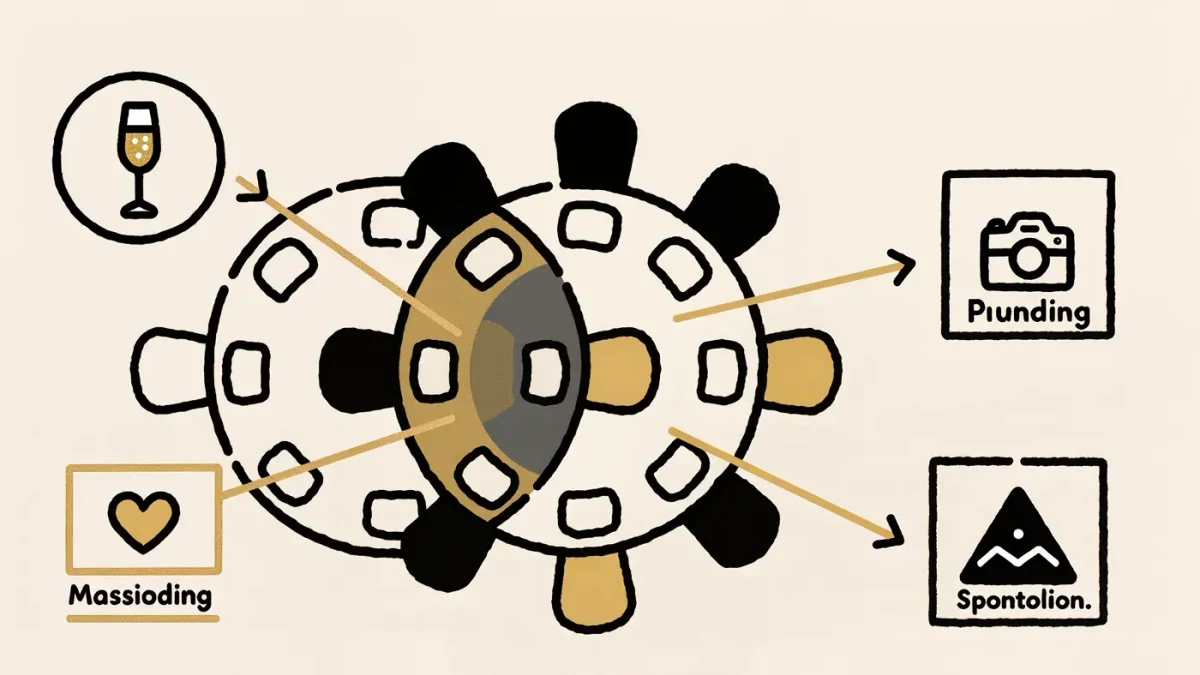
New York's charity galas run on tables, not tickets. A nonprofit sells seats in blocks of ten to corporations, families, and foundations at prices from a few thousand dollars to six figures per table; sponsors cover the production; and the gowns worn to fill those tables are mostly loans, staged by stylists, repaid in photographs. That is the whole machine: tables convert to money, gowns convert to visibility, and the charity converts both into program funding.
In a normal season the city hosts more benefit dinners than it has ballrooms, from the Metropolitan Museum's cosmic-scale benefit to hospital galas at the Hilton Midtown and dance-company benefits in Chelsea piers. The fashion industry sits inside all of it — as donor, as dressing service, and as the reason half the room looks the way it does.
Who actually buys the tables?
Three buyers dominate. Corporations, which purchase tables as client entertainment and brand presence, often in multiples. Dynastic families and their foundations, for whom a gala chairmanship is both philanthropy and social position. And the financial industry, whose firms underwrite tables across the cultural and medical nonprofit worlds as a matter of institutional citizenship. Individual ticket buyers exist but rarely determine the evening's economics; the table is the unit of account.
Per the nonprofit financial disclosures charities must publish, the galas are accounted like any special event: revenue against a hard cost line. That paper trail is why benefit professionals talk openly about cost-per-dollar-raised, and why the best-run galas brag about their ratios the way funds brag about returns.
What do the gowns have to do with fundraising?
Everything, in kind. Designers lend couture to gala chairs and co-chairs because the resulting photographs are worth more than the rental income would be; stylists broker the loans; jewelry houses compete for the necklines. The nonprofit gets its room dressed to the ceilings for a fraction of retail. The designer gets red-carpet placement without paying for an ad. The attendee pays nothing for a gown worth a car. Every party at the table benefits, which is why the arrangement has survived every economy.
The gown economy also sets the evening's hierarchy. Who wears which house is negotiated weeks in advance, and a misalliance — two co-chairs in the same designer, a borrower photographed in a rival house's archive — can rattle relationships that outlast the evening. The seating chart is public; the loans chart is the document that actually requires diplomacy.
How much does a gala cost to produce?
Around a third of its gross at the well-run end, and more at the careless end, per standard nonprofit event accounting. Dinner for a thousand at a Midtown ballroom, production, lighting, the orchestra, the florals — the line items are enormous, which is why sponsors matter: a luxury house underwriting the flowers or a spirits brand donating the bar converts fixed costs into marketing spend, freeing more of every table check for the mission.
This is also where fashion's role turns financial. Brands sponsor the rooms their clients attend, dress the chairs, and buy the tables their retail teams fill. The gala functions as a customer-appreciation dinner disguised as philanthropy, and no one in the ballroom is confused about the doubling.
What do sponsors get for underwriting the night?
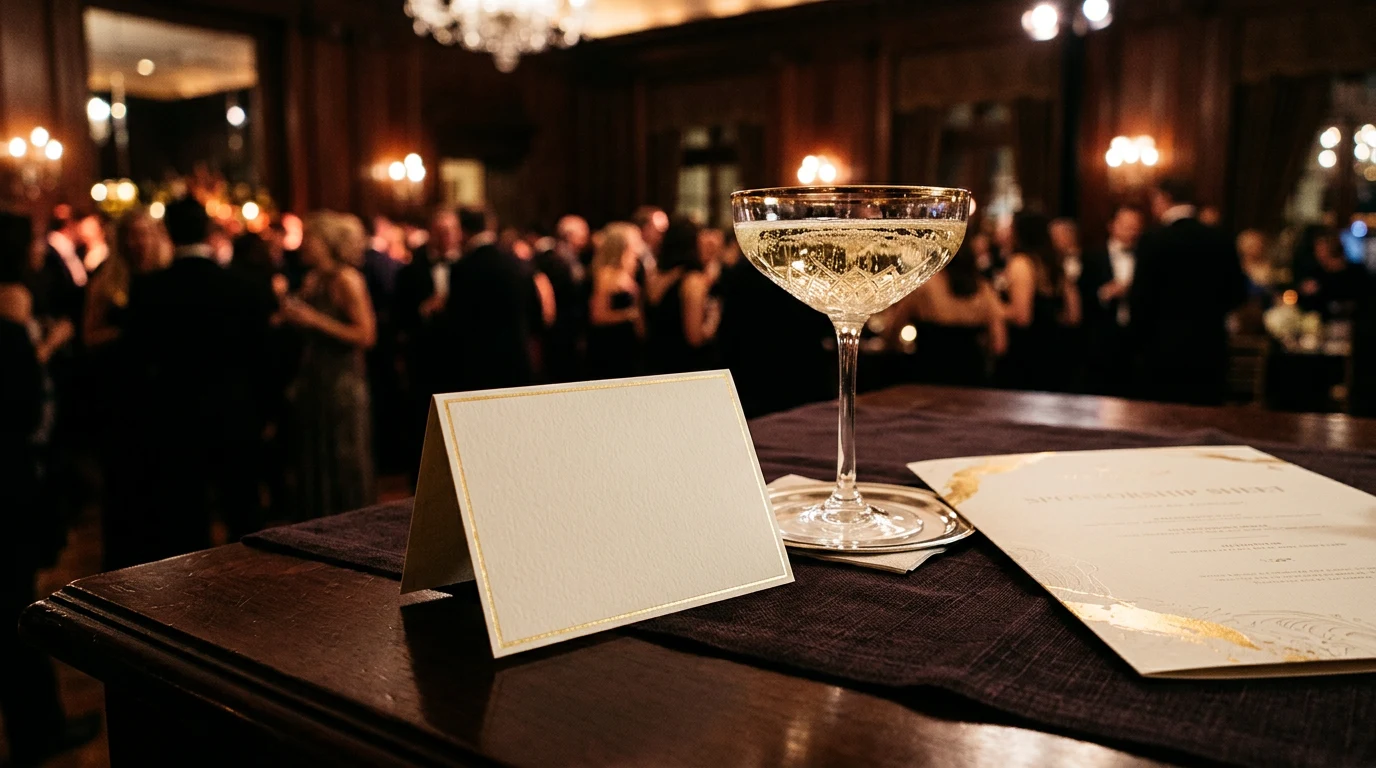
A captive, filtered audience plus the right to say so. Sponsorship packages buy signage, stage mentions, and — more valuable — guest-list influence: sponsored tables to fill with clients, a handshake moment with the honoree, the branding on the cocktail that becomes the evening's unofficial signature. A spirits brand that donates the bar knows every photograph of a guest holding a drink is an impression its media budget could not buy at any price, because nobody scrolls past a benefit photo to escape the ad.
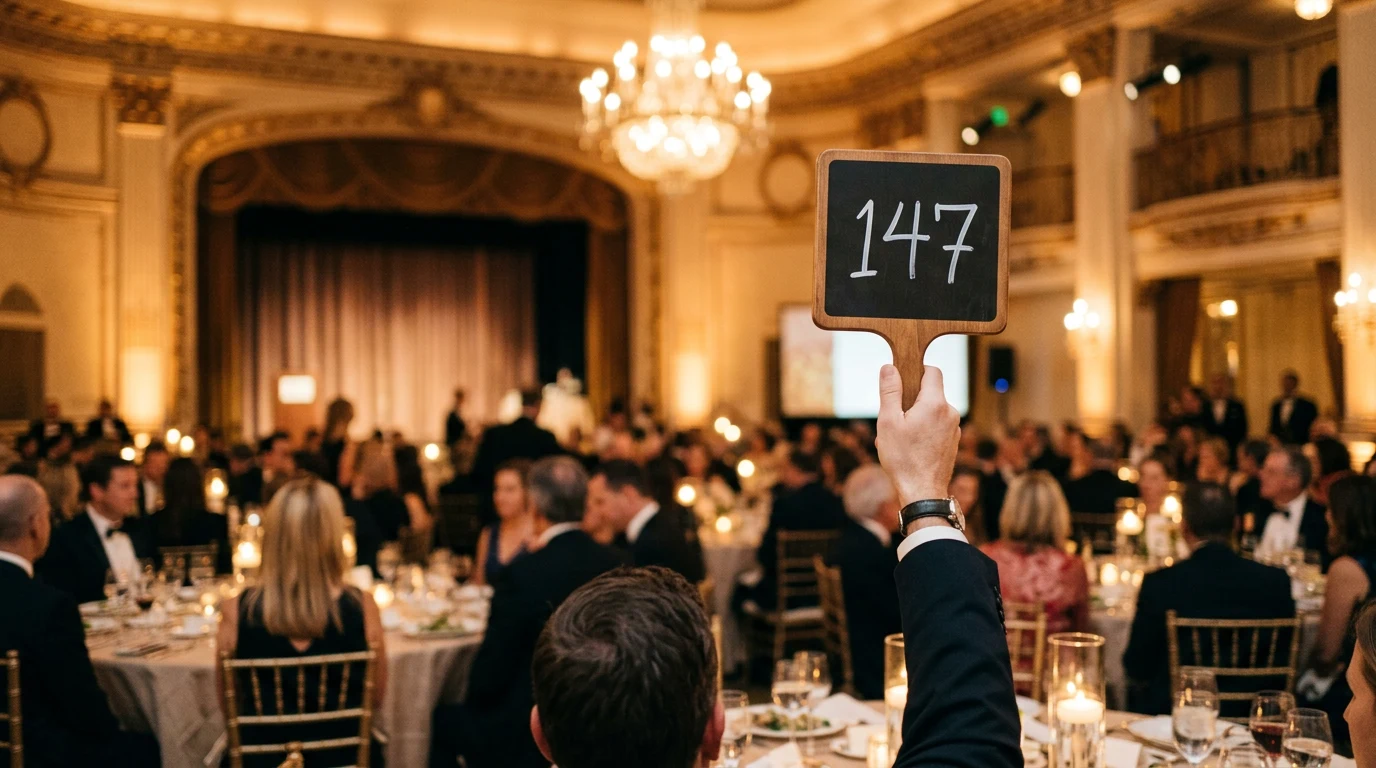
The live auction belongs to the same logic. Consignment trips, couture lots, and artist donations are secured by the gala committee for free or near-free, staged by an auctioneer whose take is commission, and bid up by a room primed for generosity. A single lot can outearn a dozen tables, which is why the auction has become the evening's second act and sometimes its first.
Why does New York have so many galas?
Because the city concentrates the three things a benefit needs: the wealth that buys tables, the institutions that sell them, and the media that amplifies both. Gotham's nonprofit sector — museums, hospitals, universities, performing companies — treats the spring and fall benefit seasons as fiscal calendar fixtures. When the weather warms, the ballrooms fill; when it cools, they fill again. The rhythm is as reliable as the school year.
The concentration has a self-selecting quality too. New York's social economy rewards visibility, and a gala is the highest-yield visibility purchase available: one evening, photographed, in a gown, beside the people whose names appear with yours on the committee letterhead. The committee list is the city's real directory, updated seasonally.
Is the gala model in trouble?
It bends without breaking. Younger donors give less by table and more by campaign; some nonprofits have traded ballrooms for smaller suppers and online auctions; post-pandemic years accelerated video galas and hybrid formats that persist in places. But per the sector's own reporting, the flagship dinners still anchor budgets — the model persists because nothing else combines fundraising, donor management, and social escalation in a single evening.
That's the whole trick of the charity gala economy: an event that appears to be about dresses and place settings is actually a market, with the tables as shares, the sponsors as underwriters, and the gowns as borrowed capital that everyone repays in photographs. The mission is real. So is the arithmetic.