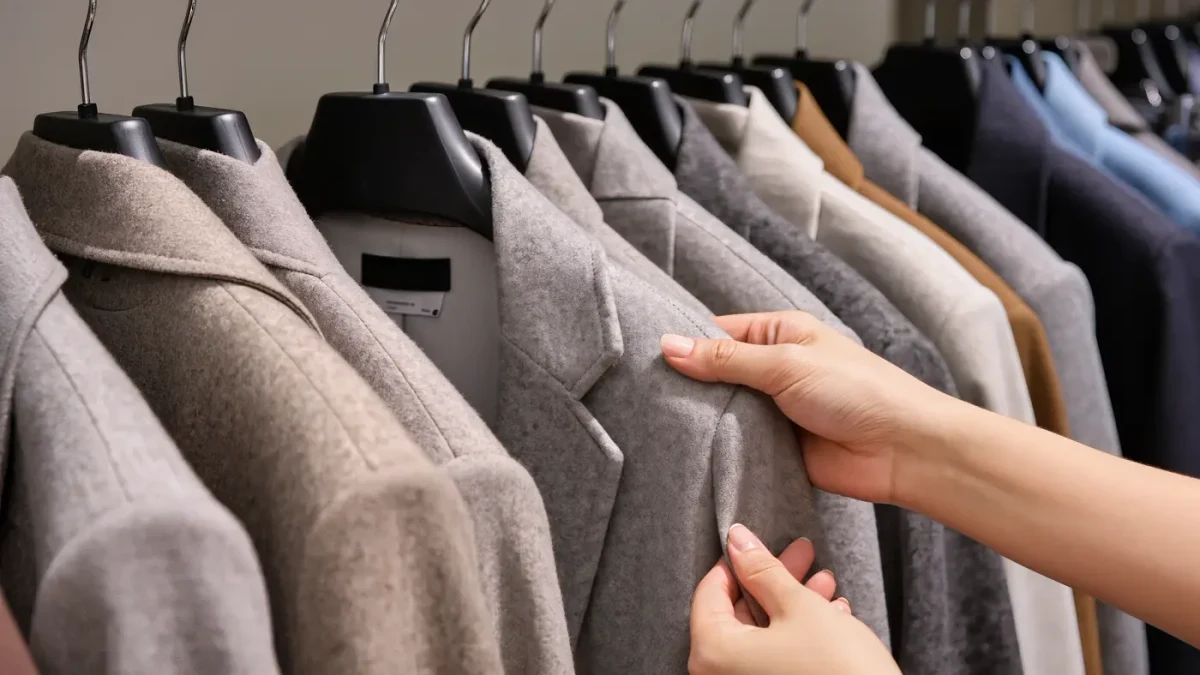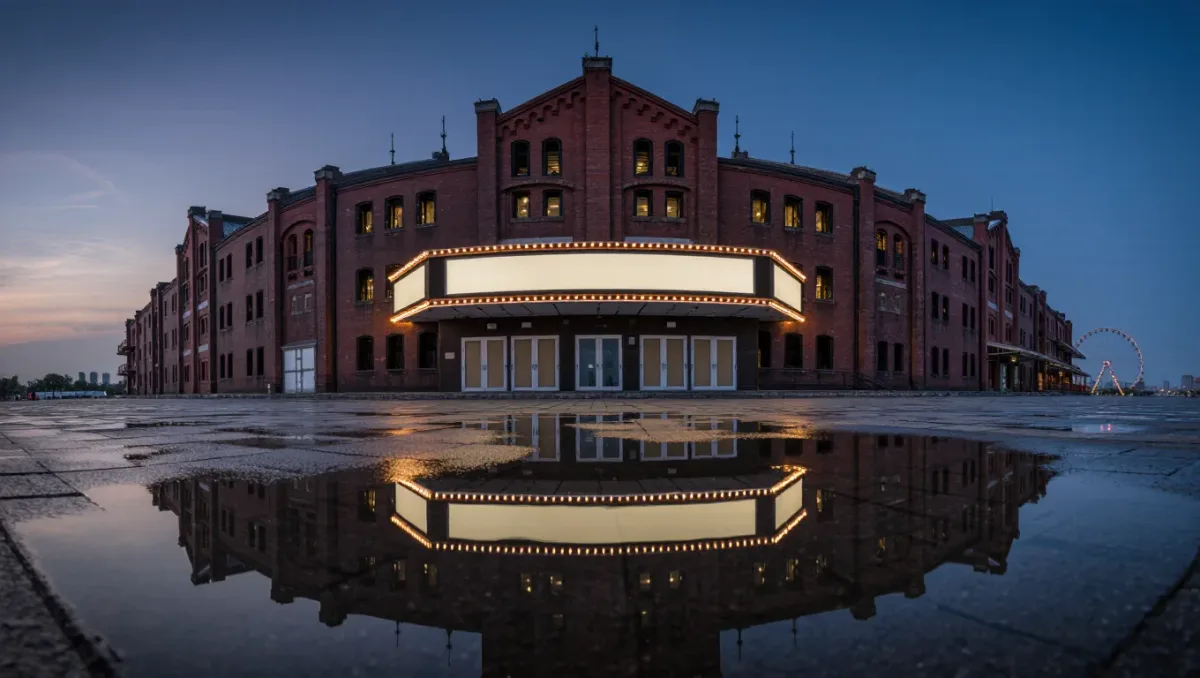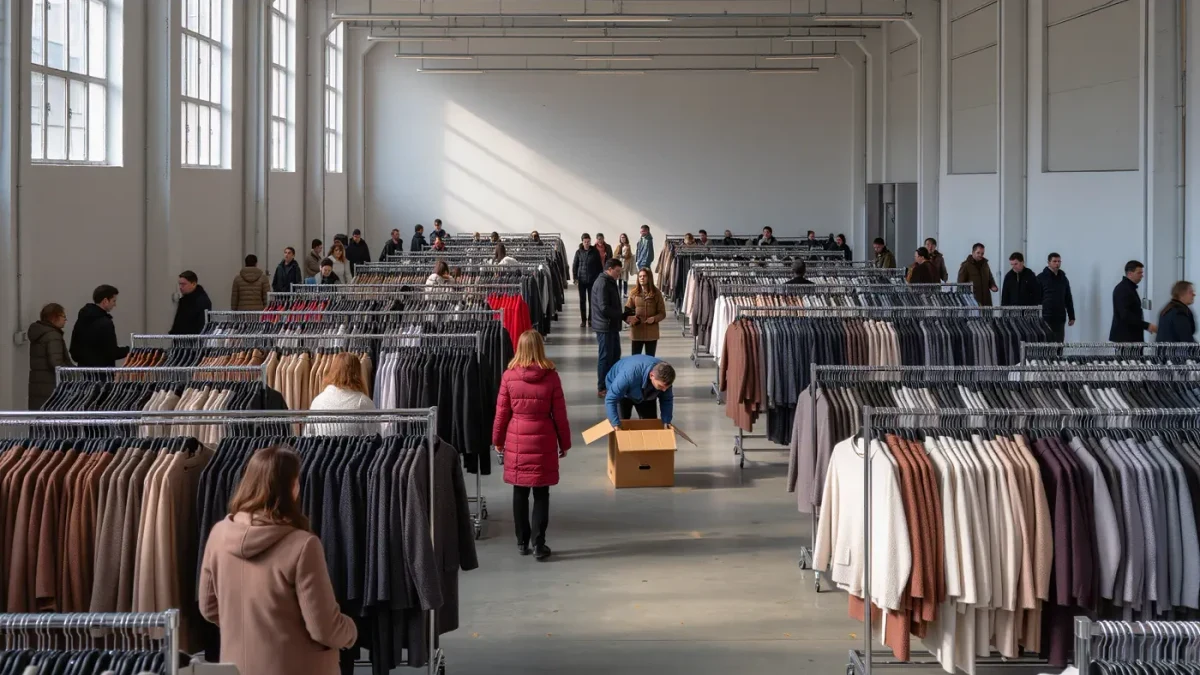
Sample sales in New York stopped being clearance events and became a circuit — a calendar of scheduled happenings with fixed venues, loyal crowds, and opening-morning lines worth photographing. The sale at 260 Sample Sale's Broadway space, the seasonal runs at clothing-district studios, the pop-up sales in Nolita storefronts: each announces itself, draws its regulars, and closes, like any event. Treat them as clearance and you miss the actual machinery.
The city runs hundreds of these sales a year, concentrated around the Garment Center's edges, Chelsea, and the shopping corridors downtown, and their density has produced something no other discount format has: repeat attendance. People plan their months around certain sales the way they plan around concerts.
How does the sample sale circuit work as a calendar?
In seasons, mirroring retail. The densest clusters follow fashion week, when designers clear the previous collection to make room for showroom arrivals, and again in December, when the year's inventory must convert to cash. Independent venues publish schedules that regulars track the way others track flight deals; a handful of aggregator sites and mailing lists — many run as side projects by veteran sale producers — function as the circuit's listings pages.
Within a single sale, the calendar has its own dramaturgy. Opening day brings the professionals and the best selection; mid-sale brings restocks from back rooms and markups reversed; the final hours bring the deepest cuts and the thinnest racks. Regulars choose their day the way festivalgoers choose which act to see — the sale is the same, the experience is not.
Why do people queue for discounts?
Because the queue is part of the event, not a tax on it. Opening lines outside the established sale venues are where the circuit's community talks: what arrived, what sold through last time, which brands are quietly liquidating studio archive stock. The line is the sale's lobby, its rumor mill, and its own social scene — which is precisely why photographs of these queues circulate and the sales' marketing does half its work for free.
The economics underneath are real regardless of the mood. Designers recover cash from inventory that has no retail future; venue operators earn a percentage; shoppers buy at deep reductions. But the event format is what makes the model sing: scarcity in time, not just price. A rack of coats at half off is shopping; the same rack, available for four days only, known to a crowd that remembers last season's sellouts, is an occasion.
Who runs these sales, and where?
A small professional layer. Dedicated sale companies lease warehouse floors and run sales on behalf of dozens of brands a year; some fashion houses stage their own in showrooms and studios; a few iconic spaces host so many sales they have become venues in their own right, known to the crowd by address. The geography clusters where the inventory is — around the fashion district's fringe and the flexible warehouse spaces of Chelsea and Tribeca — with seasonal forays into storefront pop-ups in SoHo and the Lower East Side, where a quiet retail space between tenants becomes a sale floor for a weekend.
Producers describe the job as half logistics, half event management: staffing, queue management, fitting-room triage, and the delicate communication of restock news that can make or break a sale's final days. The best-run sales feel choreographed; the worst feel like a rumor with racks. The crowd remembers both.
What do regulars actually buy at these sales?
Unlike the tourist fantasy of surprise, the circuit's veterans arrive with lists: the coat from a prior season they could not justify at retail, the trousers they tried in a boutique and waited out, gifts converted to bargains. The sale's inventory is last year's desire, priced for closure — which means the shopper most likely to win is the one who wanted the item a year ago and kept the receipt in their head. Impulse exists on the circuit, but strategy wins the racks.
What has changed in recent seasons?
Professionalization and noise. Social media shortened the distance between a sale's announcement and its opening line — a single post can summon hundreds by morning — and producers responded with timed entry, RSVP systems, and early-access tickets for loyal customers, importing the toolkit of concerts and launches into a format that used to be a sign on a door. Per the industry's own announcements, ticketed early access has become standard at the largest recurring sales.
The other shift is the crowd's expertise. Regulars arrive knowing original retail prices, fabric content, and fit quirks from prior seasons; the information asymmetry that once favored the house now sits with the queue. Sales respond by pricing sharper on day one and holding back stock for the finale. The circuit's arms race is between two informed parties, which is why it keeps evolving.
The circuit also does quiet work for the brands on it. A well-run sale converts sample-size inventory into cash, clears showroom space, and recruits a customer base that will watch for the next one — some shoppers follow a single label's sale for years before ever buying it at full price. The event is, among other things, the most honest focus group in fashion: it shows exactly how much demand exists at every level of discount, in cash, in public, in a queue.
That's the whole trick of the sample sale circuit: it borrowed everything the event economy knows — calendars, venues, queues, insider knowledge — and applied it to a rack of discounted coats. The discount is the occasion's pretext. The occasion is why anyone comes.