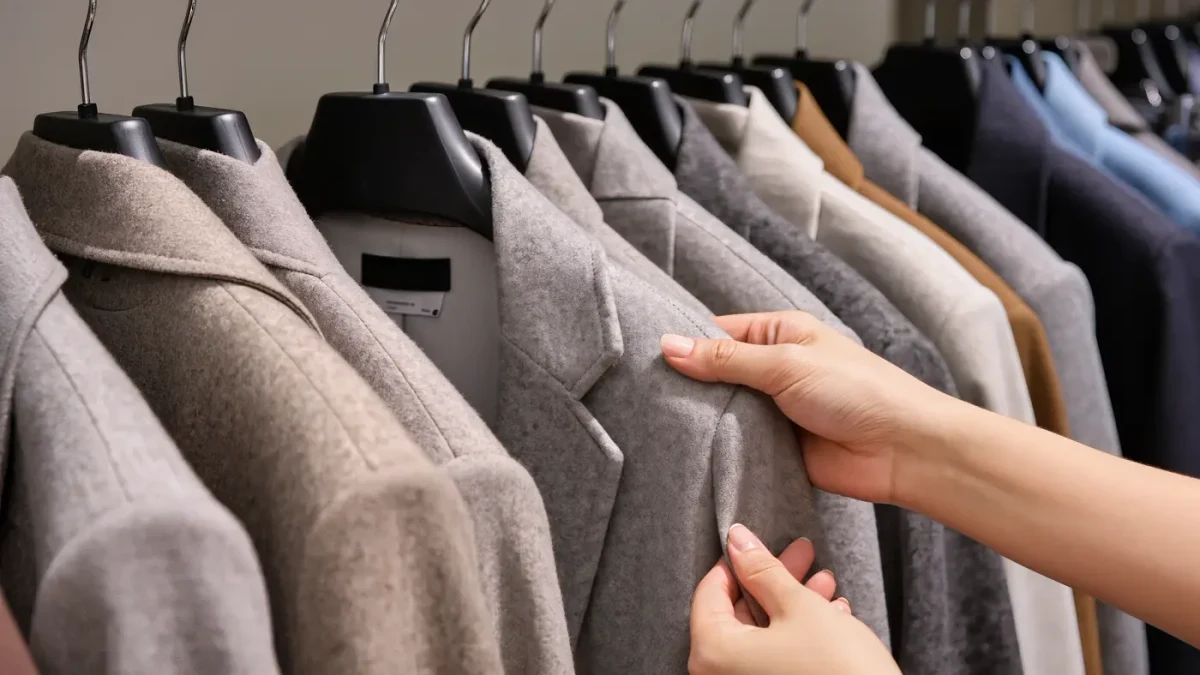
Are sample sales really a bargain? Yes — but not for the reasons shoppers assume. A $900 wool coat at $90 looks like generosity; it is actually disposal. By the time a brand rents a loft on West 25th Street and stacks folding tables with last season's samples and overstock, that inventory has already been written down on the books. The sale converts dead stock into cash and empty hangers, and everyone in the chain — brand, sale producer, rack-renter — takes a cut of the clearance.
The mechanics are older than most shoppers think. New York's sample sale circuit clusters around the west side of Midtown, in raw event spaces between Tenth and Twelfth Avenues, with satellites in SoHo and the Flatiron district. Some sales are run by brands themselves; many more are produced by specialist companies that handle venue, staff, payment, and the line-management ropes for a dozen labels a season. The producer is the invisible middleman of discount fashion.
What exactly is being sold at a sample sale?
Three categories, three price logics. First, true samples: the one-off prototype garments made in a single size for showroom appointments and shoots — rare sizes, occasional flaws, the lowest prices in the room. Second, overstock: last season's production surplus, discounted typically 50 to 80 percent off retail. Third, damaged or irregular pieces, marked as such and priced accordingly. A knowledgeable shopper sorts for category one; the crowd often cannot tell the difference, which is part of the room's design.
Sizes run irregular by nature. Samples skew small because showrooms sample small, which is why the racks reward the patient and punish anyone in a hurry. Veteran shoppers arrive with a brand's fit knowledge already loaded — knowing a particular label runs a size large is worth more than any early place in line.
How do the queues actually work?
Big-name sales — heritage handbag houses, downtown denim labels, a handful of European brands with New York outposts — generate lines down the block before opening, managed by staff with clipboards and, increasingly, paid line-holders hired through gig apps. Inside, the standard playbook applies: no fitting rooms or one communal mirror, all sales final, entry by timed slots at the biggest events. Shopping is done in layers over clothes, decisions made in ninety seconds, regrets processed later. The room is engineered for velocity; every hour of hesitation is an hour of warehouse rent.
Cashless payment changed the tempo. Card readers everywhere mean the average transaction takes seconds, and the psychological friction of handing over cash — the brief pause where a shopper reconsidered — is gone. Sales run hotter now than a decade ago, by most accounts from people who work these rooms for a living.
Who earns what in the sample sale chain?
Decompose a hypothetical sale and the margin picture gets clear. The brand recovers cash from stock already amortized — any revenue is upside, which is why final-day prices can drop absurdly. The producer earns either a flat fee or a percentage of gross, commonly discussed in the industry as low double digits. The venue — often a landlord's vacant retail or a raw space between tenants — earns rent from a footprint that would otherwise sit empty. Even the folding-table and rack rental houses earn their slice. The shopper is the only participant not paid to be there, compensated instead in the only currency the room offers: a genuine $90 coat.
There are losers, mostly artisanal. Markdown culture trains shoppers to never pay full price for participating brands, which is why some labels protect themselves by holding sales in anonymous spaces with minimal signage — clearing stock without training the market to wait. New York retail consultants have warned for years, as reporting from outlets like Reuters on broader retail discounting has documented, that aggressive markdown cycles compress margins across an entire brand category.
Is the sample sale dying, or just moving?
It is changing shape. Online sample platforms and brand outlets absorbed some volume, and the pandemic years scattered the circuit into smaller, appointment-based events. But the physical sale survives because it offers something e-commerce cannot: the treasure hunt, the crowd's competitive energy, the tactile lottery of a table where the next garment might be the one. Twice a year — post-fall and post-spring deliveries — the west side lofts fill up again with racks and regulars.
For the shopper, one rule holds across every sale and every season: the deal is real, but it is real for the seller first. You are not being gifted a bargain. You are the last stop on a supply chain designed to make even failure profitable — and on the good days, the design lets you leave with a coat you could never have afforded at retail, feeling like the winner anyway. Everyone went home satisfied. That is the whole business.
One more practical layer for anyone entering the circuit: timing within a single day matters nearly as much as the day itself. Morning openings reward completeness of sizes; the last two hours reward price tolerance, as staff restock tables from sealed cartons — the 'backroom' repack is a real feature of the trade, and regulars watch for it. Restocked tables mid-afternoon can produce the day's genuine finds precisely because the crowd has thinned and stopped looking. The sale rewards attention as much as speed, which is a kinder rule than it first appears.