What does a fashion publicist actually do all day? In short: they decide which clothes get seen, by whom, and in what light. The role sits between a designer's studio and the editors, stylists and writers who turn garments into coverage. In New York, where a young label can live or die on whether the right stylist pulls a look for a shoot, the publicist is often the most powerful person nobody outside the industry can name.
The work sounds glamorous and mostly isn't. It is email triage, sample logistics, seating charts and the quiet repair of things that went wrong. That's the whole trick: the better a publicist is, the less visible the job becomes. When coverage flows smoothly, when a show starts on time, when a difficult story never hardens into a crisis, that is the publicist's hand at work. This explainer walks through the four pillars of the role — pitching, sample pulls, show logistics and crisis handling — and shows how one job quietly shapes what New York gets to read about fashion. We covered a connected angle in How New York's Biggest Design Prize Actually Pays Out.
What does the morning inbox of a fashion publicist look like?
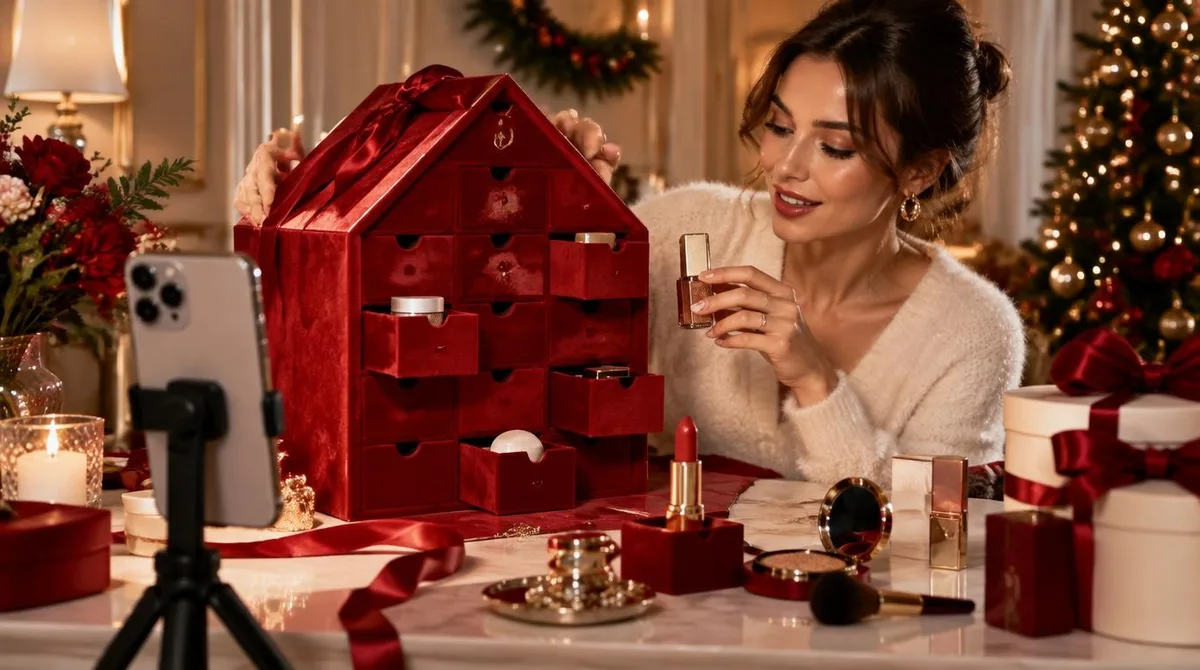
It looks like a newsroom that runs in reverse. Instead of finding stories, the publicist supplies them. A typical morning means scanning the papers, the trade sites and the aggregators, then deciding what a client's collection connects to. A hemline trending? A color taking over the street? The publicist drafts a pitch that places their designer inside the conversation, and sends it to a short, carefully ranked list of editors.
Pitching is where the job is most like journalism's mirror image. A good pitch is short, specific and honest about what the sample room can actually deliver before deadline. A bad one — the kind editors delete on sight — oversells, misstates what exists, or arrives at 4 p.m. for a story that closed at noon. Timing matters as much as taste. The publicist who knows which outlet closes its fashion section on which day of the week has a structural advantage no press release can buy.
How do sample pulls actually work?
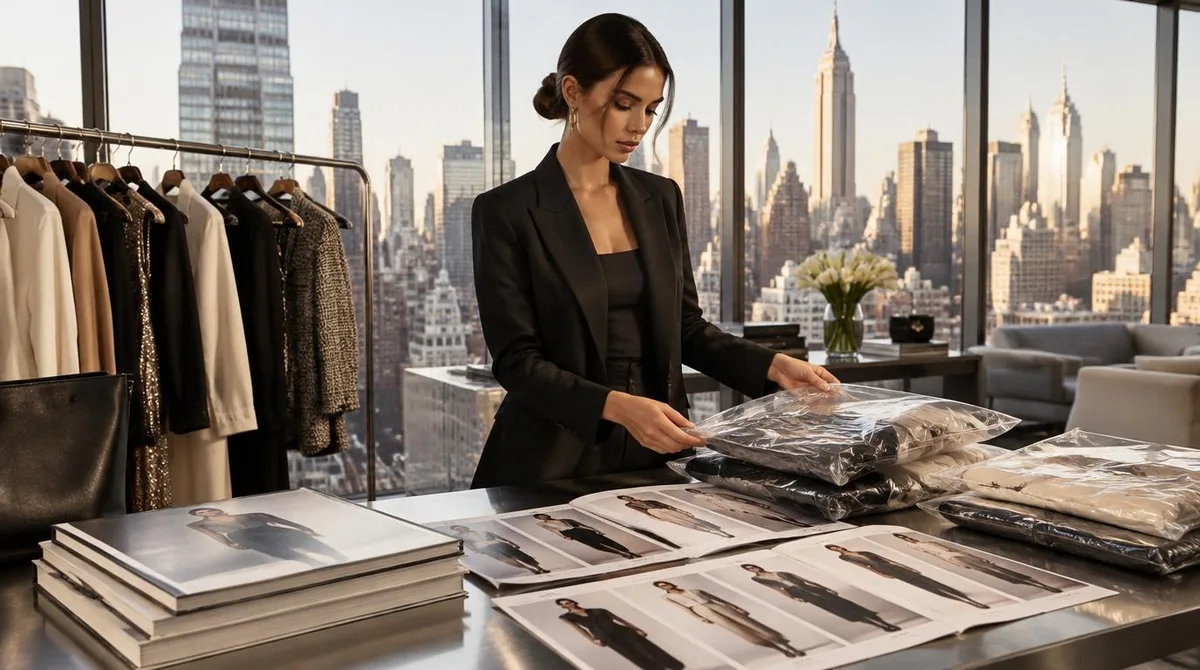
The sample pull is the least glamorous, most consequential piece of the machine. When a stylist needs clothes for a shoot, a celebrity appearance or a red carpet, the request routes through the label's publicist. The publicist checks the request against the sample inventory, negotiates what goes out, sets the courier, writes the loan paperwork and — this is the part readers never see — chases everything back.
Every pull is a bet. A look lent to the right shoot becomes the image everyone remembers; a look lent to the wrong one disappears, or worse, returns damaged. So publicists ration. A small New York label might have one showpiece sample and dozens of requests for it, and the decision about who gets it is genuinely editorial, made by someone whose title says communications. The pull list, in effect, is a coverage strategy written in garment bags.
What does a publicist do on show day?
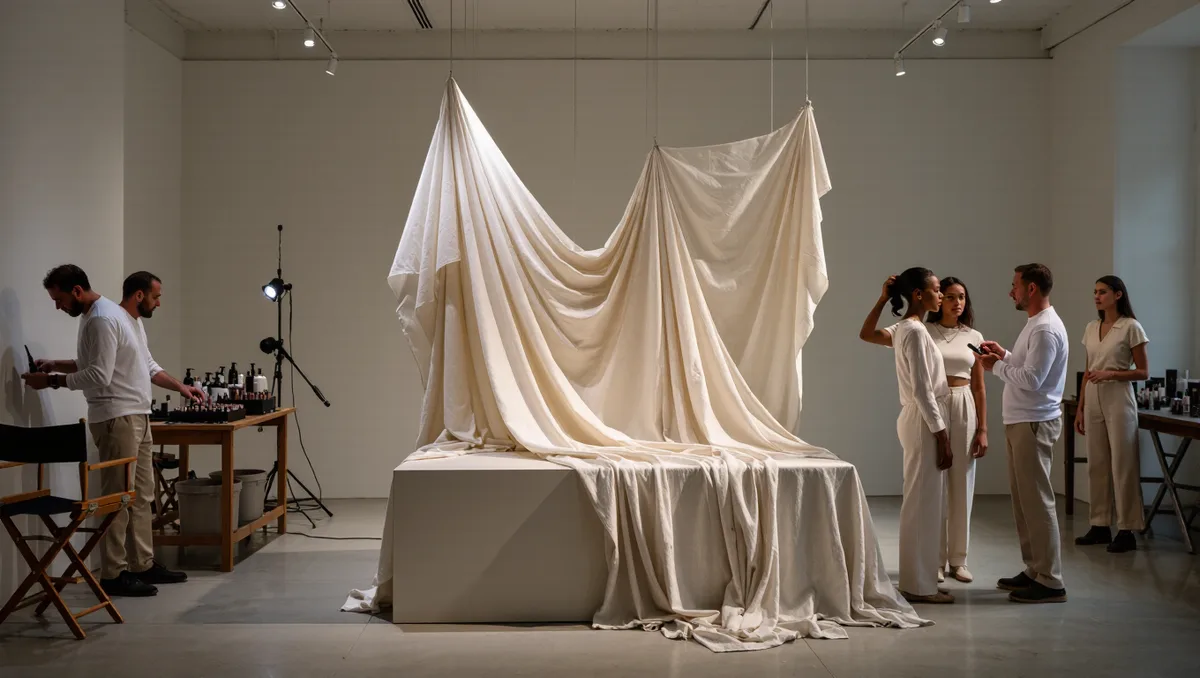
On show day, the publicist becomes a stage manager with a guest list. Invitations went out weeks earlier, ranked by who matters to the brand's next chapter: editors, stylists, buyers, the photographers whose images will travel. The seating chart is a map of the label's ambitions — front row placement is currency, and someone spent hours deciding who sits where and who gets moved one seat back.
Then come the things that break. A model is late. A celebrity's team changes arrival time twice. A photographer is unhappy with her position. The publicist absorbs all of it, usually from a headset at the end of the runway, so the show reads as effortless. The decisions made here echo for months, because the coverage a show earns depends on who was in the room and what they could see. Our earlier reporting on who really decides when a designer shows at Fashion Week covers the gatekeeping on the schedule side; the publicist handles the gatekeeping inside the venue. For related coverage, see Who Really Decides When a Designer Shows at Fashion Week?.
How does a publicist handle bad news?
Crisis work is the part of the job with the highest stakes and the fewest witnesses. When a story turns against a client — a design controversy, a business problem, a personnel dispute — the publicist's options narrow to a few honest moves: confirm what is true, correct what is false, and decide quickly whether silence helps or hurts. The worst outcomes usually come from delay, not from the original problem.
Good crisis notes follow a pattern worth naming. Say what you know. Say what you don't. Never let a spokesperson's wording contradict the documents. And keep the relationship with the reporter intact even while disputing the story, because the next story is always coming. In a city where fashion and business news overlap constantly — retail deals, bankruptcies, executive reshuffles — the publicist who can speak plainly about hard facts is worth more than one who can only speak in adjectives.
Why does any of this matter to what you read?
Because access is the raw material of fashion coverage, and publicists control access. The appointment you read about, the appointment that was never covered, the designer quoted and the designer left out — these are outcomes of relationships, not accidents. When a major house changes creative leadership, the announcement itself is a coordinated act of publicity, timed and placed for maximum effect. Hello! Fashion reported that Martine Rose was appointed creative director of Balenciaga, succeeding Pierpaolo Piccioli and stepping into the role on November 16 — a move that arrived as a clean, controlled announcement rather than a leak, which is itself a lesson in how the machine works.
None of this means coverage is corrupt. It means coverage is negotiated, and readers benefit from knowing that. The best fashion writing happens when editors push past the pitch — and the best publicists, privately, prefer that too, because a story earned is a story that lasts.
Practical steps: how to read a fashion story like an insider
Our analysis of the role comes down to a short checklist you can apply to any fashion story, starting today.
- Check the timing. A wave of similar stories in one week usually traces back to a coordinated push, not a coincidence.
- Notice who is quoted. If the same designer appears everywhere at once, someone worked hard to make that happen.
- Watch the front row photos. Seating is strategy; who was placed where tells you who the brand is courting.
- Treat silence as information. When a house says nothing about a problem, the publicist has judged that saying something costs more.
The evidence here is structural rather than statistical: the publicist's job is defined by relationships and logistics, not by numbers, and its influence shows up in patterns of coverage rather than in any single headline. What remains unknown is exactly how much of the fashion agenda any one publicist shapes — that ledger is private by design. What the role's mechanics do establish is this: before an editor writes about a collection, before a stylist pulls a look, before a show begins, someone decided the sequence. That someone is the fashion publicist, and the day described here is the day the city's fashion narrative is quietly drafted.