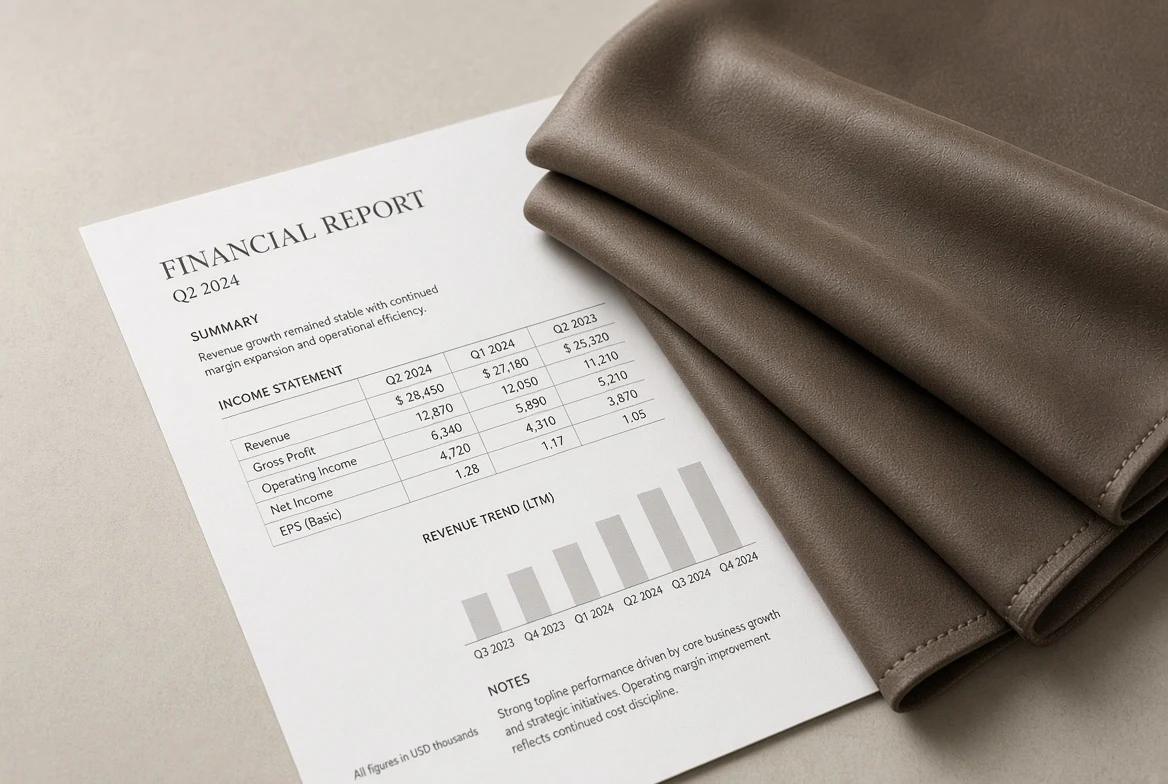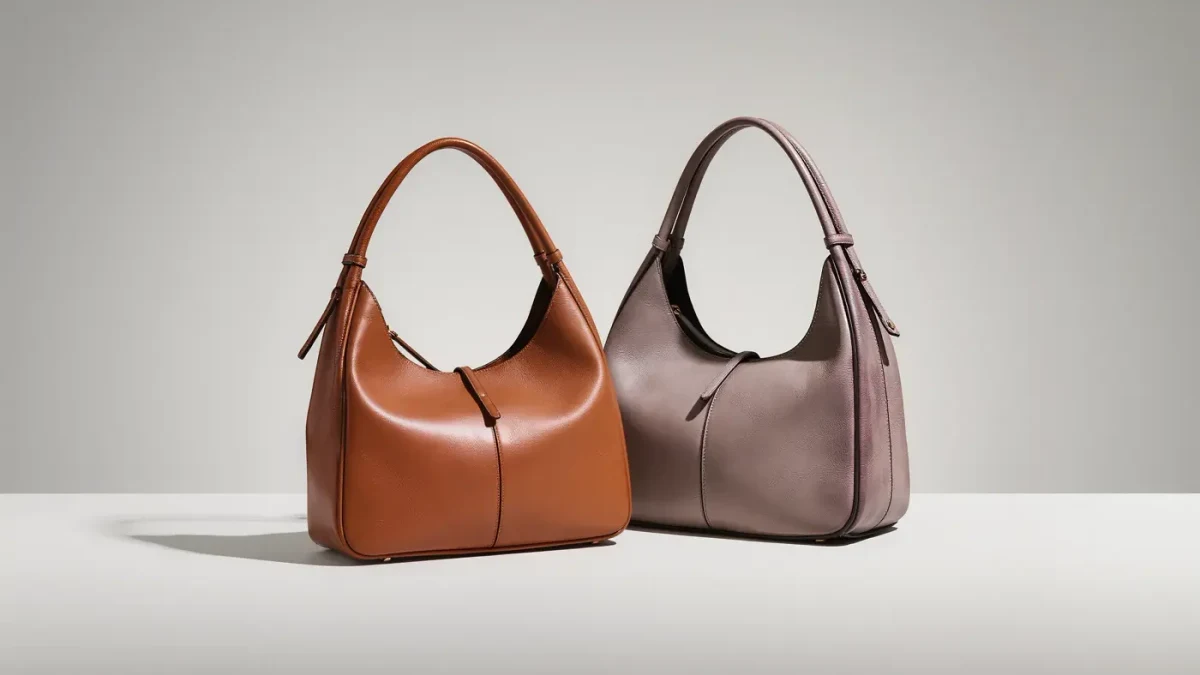
On May 7, 2026, Tapestry reported fiscal third-quarter revenue of $1.92 billion, beating estimates, and raised its full-year earnings outlook to $6.95 per share — well above the prior $6.40–$6.45 range. Per Reuters, the same report guided to subdued revenue growth for the current quarter, and the stock slipped anyway. The division of labor inside those numbers is the story: Coach revenue climbed 31 percent to $1.70 billion, while Kate Spade, the other New York-born brand in the Manhattan-based group, dropped 10 percent to $219.6 million.
The Arithmetic of Concentration
Run the shares and Tapestry is approaching a structural fact: roughly nine of every ten revenue dollars now come from a single brand. The company's earnings materials credited Coach handbag unit growth of more than 20 percent and continued gains in average unit retail — the industry's way of saying the brand is selling more bags at higher prices. Kate Spade has spent the past several years in a publicly acknowledged reset, closing outlet doors and pulling back on promotions, and the reset is not yet producing growth.
There is a corporate logic to this. A group with one dominant brand allocates marketing, design leadership and flagship investment accordingly, and each quarter of divergence makes the allocation more lopsided. New York has seen this movie before: the city's fashion history is a museum of once-loved second brands that became outlet-mall business while their corporate siblings carried the group.
What It Means on the Street
Kate Spade is a genuinely New York identity — the brand's spade logo was, for a decade, the default first nice bag for a certain kind of young woman in this city, the one Coach's Tabby now courts. Its slide changes the entry-level price ladder downtown: fewer accessible designer handbags at the sub-luxury tier, more pressure on resale, and more of the value-seeking customer pushed toward the very Coach stores Cannibalizing the sibling. Midtown, the employment effects are quieter but real — brand headquarters staff, merchandising teams and the showrooms that serve them all flex with a brand's trajectory.
Why the Stock Fell on a Beat
Markets read Tapestry as Coach, nothing more. Per Reuters, the May 7 guidance for muted current-quarter revenue growth — against a quarter that beat — told investors the Coach engine was decelerating from sprint to jog, and that no second engine was ready. For New York's fashion economy, the lesson travels beyond one group: the city's listed fashion companies are being valued as concentrated bets, and the brands inside them that are not the bet will keep shrinking until someone decides they are worth rebuilding. Kate Spade's next chapter is now the most consequential unanswered question in Manhattan fashion — no runway required.