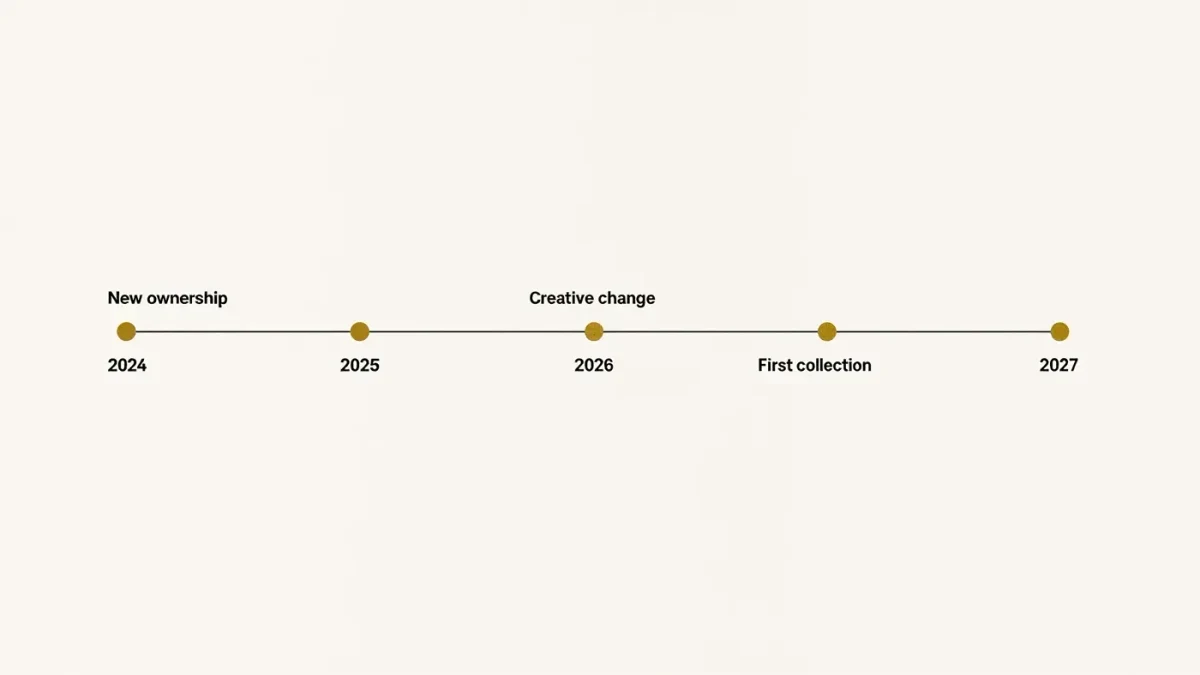
On February 3, 2026, Capri Holdings — the New York-headquartered group built around Michael Kors — reported third-quarter fiscal 2026 results of $1.025 billion in revenue, down 4 percent year over year but ahead of expectations, with the Versace business now classified entirely as discontinued operations. The reclassification formalizes what happened on December 2, 2025, when, per Reuters, Prada completed its takeover of Versace after a courtship that began with a definitive agreement in April 2025 for roughly $1.375 billion in cash.
An American Conglomerate Unwinds
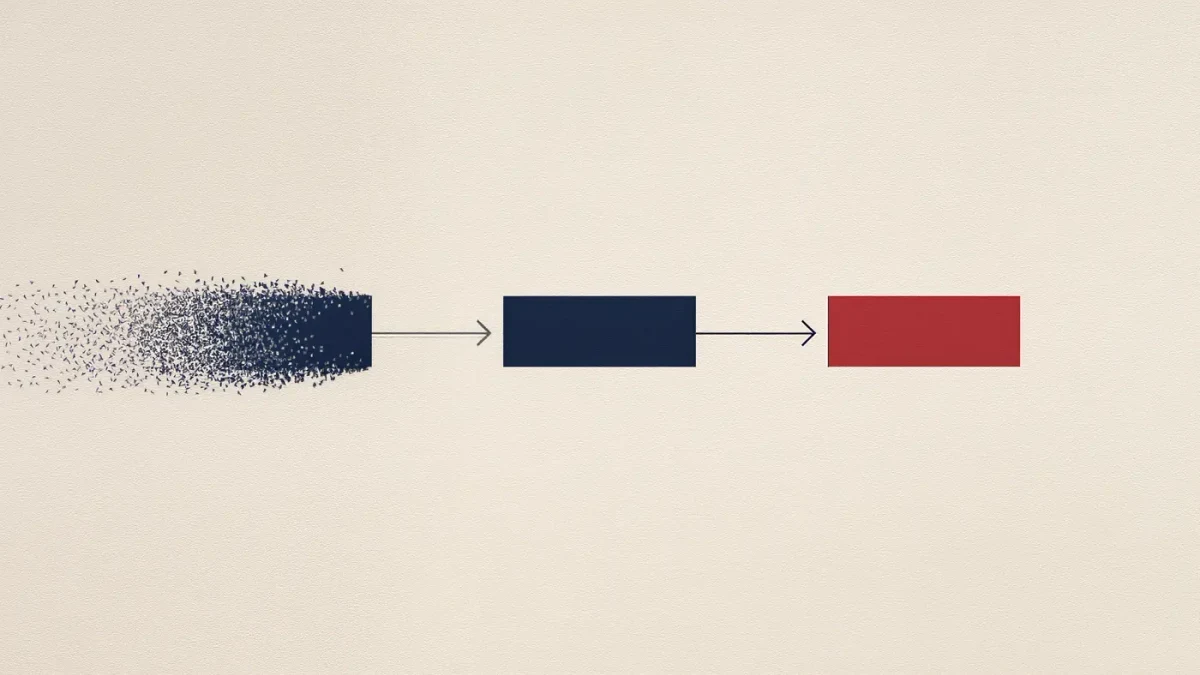
Step back and the shape of the story appears. Capri spent a decade trying to build a European-style luxury group from a New York base: buying Versace for about $2.1 billion in 2018, adding Jimmy Choo, and imagining an American answer to Kering. The unwind ran in reverse — Versace sold at a deep discount to Prada, an attempted Tapestry merger blocked by regulators, and a refocus on the brand that always paid the bills. On the February 3 call, management framed the company as fully concentrated on two names: Michael Kors and Jimmy Choo.
The quarterly math of that smaller company: Michael Kors revenue of $858 million, down 5.6 percent, with Jimmy Choo up 5.3 percent, EPS up 30 percent to $0.81, and gross margin expanding 70 basis points. Smaller, but disciplined — a turnaround block, not an empire.
Why This Reshuffles New York Fashion
Manhattan hosts the headquarters of the American fashion business, and Capri's retreat narrows the shortlist of true local conglomerates to Tapestry, Ralph Lauren and PVH. That concentration has practical consequences: fewer executive seats, fewer consolidated showrooms, and one less New York group bidding for celebrity campaigns, flagship leases and runway-scale production crews. The middle management talent released by a shrunk Capri does not vanish — it scatters into smaller New York brands, which quietly upgrades the industry's bench.
The Sourced Detail That Got Lost
Lost in the coverage of the Versace farewell: the quarter's actual outperformer was Jimmy Choo, up 5.3 percent — the smallest brand in the portfolio growing while the flagship shrank. For a group whose next chapter depends on proving it can grow something, that number matters more than the Versace exit price. And for New York's shopping map, a Michael Kors under pressure means sharper promotional cadence at the brand's dozens of area outlets, even as its Manhattan flagships hold the line. Watch the discount racks before the runway: the group's reset will be visible there first.