Who actually keeps a New York wardrobe looking expensive? Not the shops that sold it. The city's best-dressed residents rely on a network of alteration tailors, dry cleaners, cobblers and pressing rooms — many of them family-run, most of them cheap by local standards, all of them operating just below the line of fashion visibility. The garment gets the compliment. The storefront with the handwritten sign gets the hem.
Walk any commercial strip in Manhattan and count them: a tailor next to the dry cleaner next to the shoe repair, sometimes all three under one awning on a street like First Avenue in the sixties or Columbus in the eighties. The density is not accidental. New York professionals own fewer, better garments than the national average and wear each one harder — two commutes a day, restaurant seats, subway seats, six months of winter coat duty. Clothes here age at double speed. The repair economy exists because the wear economy never stops.
What do alteration tailors actually do all day?
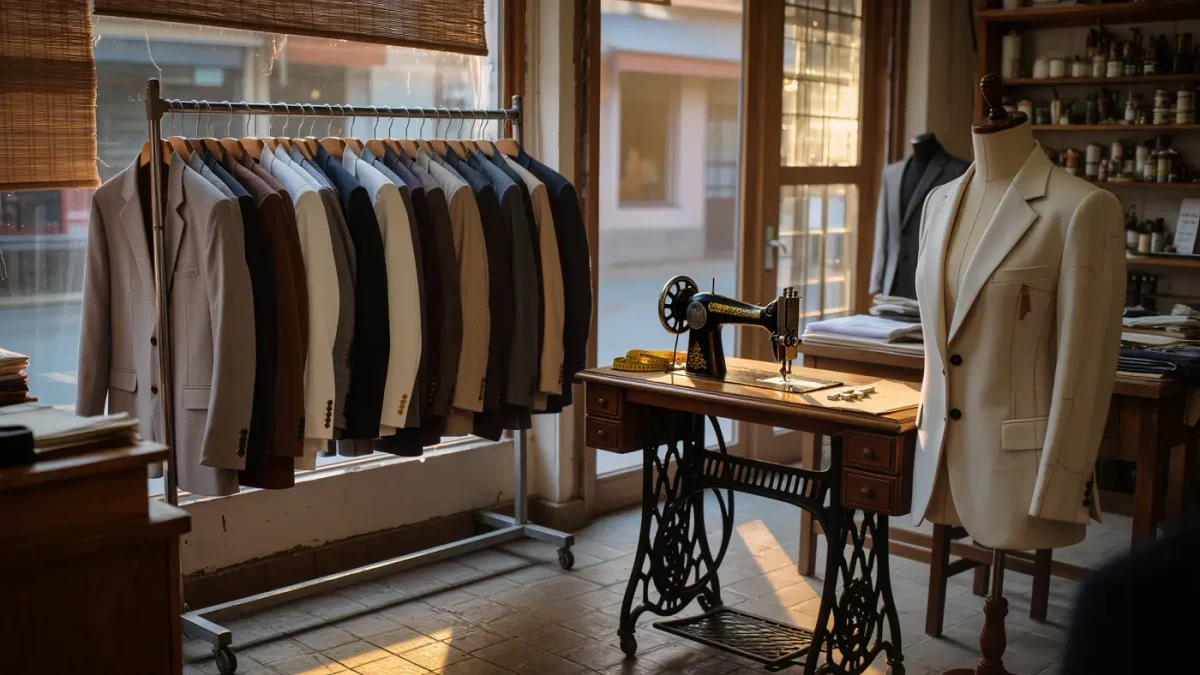
Un glamorous, essential work. Hems on trousers and dresses form the base volume; then come the takes-in at the waist, the shortened sleeves, the replaced zippers, the jeans hemmed with the original cuff preserved — a specialty that separates a careful tailor from a quick one. Around prom season and wedding season, formal alterations spike; before the winter holidays, everything spikes at once. A skilled tailor on a busy Manhattan block can process dozens of garments a day, most for $10 to $60 a job — pricing that only works because the rent is old, the labor is fast, and the customer volume is relentless.
The relationship is fiduciary in practice if not in law. A good tailor tells you when a garment cannot be saved, when alteration will cost more than replacement, when a $200 jacket is worth rescuing and a $600 one is not — fabric quality does not track price tags, and tailors know garment construction from the inside in a way no retail salesperson does. Regulars trust their tailor with the truth about their bodies and their budgets. Few other commercial relationships in the city carry that much quiet information.
Is dry cleaning dying?
Contracting, not dying. Industry data from the U.S. Environmental Protection Agency on cleaning solvents and from trade groups charts a decade of consolidation: harsher solvent regulations raised costs, remote work removed the weekly shirt-and-suit cycle that anchored the business, and residential buildings that once hosted drop-off counters converted the space to package rooms. The cleaners that survived diversified — wash-and-fold laundry, which grew as apartments shrank, now carries many storefronts that tailoring and pressing alone cannot support.
The survivors moved upmarket or sideways. Premium cleaners around the Flatiron district and the Upper East Side press couture and handle restoration for vintage dealers; corner cleaners in the outer boroughs win on volume and relationships. The middle — the suit-a-week office worker — largely stopped existing around 2020, and the industry's map still shows the scar.
Why is repair having a moment?
Because New York's fashion mood shifted toward keeping things. The resale boom put older garments into circulation, and second-hand clothes arrive needing work — a vintage blazer from a consignment shop on the Lower East Side usually needs a hem, a button scheme, or a lining before it earns its place in rotation. Visible masonry, embroidery repair, sneaker cleaning: the mend economy now markets itself, with cobblers on Bleecker Street and alteration ateliers in Chinatown booking days out. What was a hidden cost of dressing became, for a while, a stated value — though the prices on some repaired vintage suggest the value and the invoice are only distant relatives.
The economics underneath stay stubborn. Repair labor is local and cannot be offshored; rent pressure is the constant threat, which is why every closure of a long-standing tailor shop registers in its block like a pulled tooth. City agencies have taken some interest — New York's small business services office publishes resources for legacy storefronts — but the real protection is habit. As long as New Yorkers keep buying garments sized for other people's bodies, or made in single samples, or twenty years old, they will need someone with a needle and a steam press within walking distance.
The humble conclusion: the city's style rests on an infrastructure of maintenance. Fashion gets the photographs; alteration gets the fit. Next compliment you give — the fit on that jacket — spare a thought for the shop three blocks away holding the pins. That is who dressed you.
How do you actually find a good tailor?
By test, not by review. The standard trial is a simple hem on a garment you do not love — check the turnaround quoted, whether measurements are taken standing, and whether the finish inside matches the outside. A tailor who pins rather than guesses, who asks what shoes you will wear with the hem, and who quotes honestly about what cannot be fixed is keeping you for years. The best shops in the city rarely advertise; they are found the way all real infrastructure is found, by asking a well-dressed person where the work was done.
Pricing transparency helps both sides. New York alteration shops operate on notoriously casual price lists — often quoted verbally, often negotiable by urgency — and the shopper who asks what a job costs before leaving the garment avoids the week of low-grade anxiety that follows. Same-day and rush service commonly carries a surcharge of a third to double; wedding-party alterations book weeks out in spring. None of this is posted anywhere elegant. The trade runs on repetition and trust precisely because its pricing never got systematized, and a regular's discount is the quiet dividend of being known.