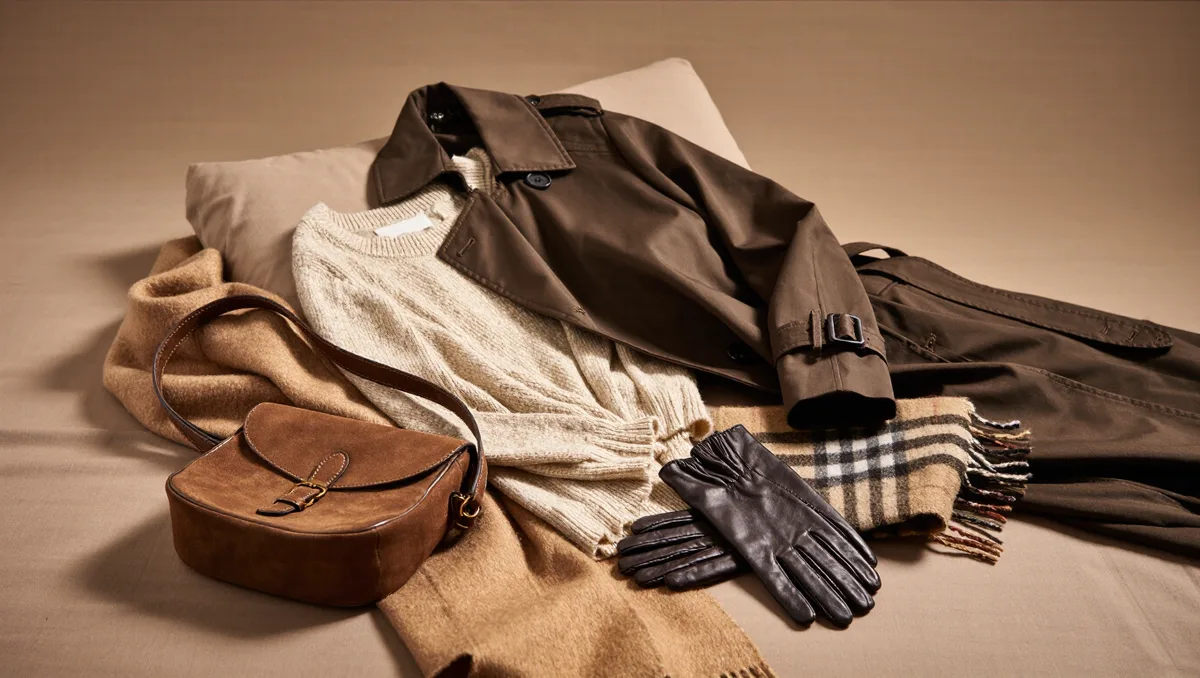
Ask someone how to find your personal style and you usually get mood boards. Boards are fine, but they answer the wrong question. Your style is not a picture of what you love. It is a record of what you actually wear, wash, and reach for on a Tuesday morning when the subway is delayed and the meeting moved up.
So the honest method is an audit, not a mood board. You look at the wardrobe you already own, find the pattern hiding in it, and then stop buying against that pattern. The payoff is a closet where most things combine with most things, and getting dressed takes minutes instead of a small crisis.
Here is the step-by-step version. It takes an afternoon, a phone camera, and a little honesty about what you keep buying and never wear.
What counts as a signature style, really?
A signature style is a repeatable formula, not a costume. Think of it as three or four outfit shapes you can build from what you own: a proportion, a palette, and a finishing move. In New York, the finishing move is often practical — the coat that carries everything, the flat shoe that makes a twelve-block walk survivable, as we argued in Sneakers Are a Logistics Decision: What New York's Shoes Say About the City.
The test is simple. If a stranger could describe your outfit to a friend tomorrow, it had a signature. If they could only say "jeans and a top," you have a default, not a style. Defaults are fine — plenty of the city runs on one, and Why New York Wears Black: A Field Guide to the City's Uniform Color explains why the default here leans dark — but a signature is a default with intent.
How do you audit a wardrobe without making a mess of it?
Step one: pull everything out, or work in categories if the room is small. Step two: sort into four piles. Wear weekly. Wear monthly. Wear seasonally. Never wear. Be strict about the last pile — "never" means you have not reached for it in a year, not that you intend to.
Step three is the part people skip, and it is the whole trick. For every item in the "wear weekly" pile, ask why. Write it down. Not vibes — reasons. "The sleeve length is right." "This gray goes with everything I own." "I feel like myself in this cut." Those reasons are your style brief, written by the most honest critic you have: your own hands.
Then do the same for the never-wear pile. The reasons there are just as useful. "Beautiful but needs a heel I never wear." "The color fights everything else." "Fit is off at the shoulder." Each one is a purchase rule you can carry into every store from now on.
What do impulse buys have to do with any of this?
Impulse buys are usually answers to a mood, not to your wardrobe. The audit exposes the pattern. Most people find that their unworn pile clusters around one or two themes — sale-rack thrill purchases, or the "aspirational self" garment, the one bought for a life with more occasions in it.
Once you can name your pattern, you can build a gate. Before any non-replacement purchase, ask three questions: What will this wear with — name three items you own. What outfit does it complete that you currently cannot build? Would I buy this at full price if it were not on sale? If you cannot answer the first two, the item is a mood, not a plan. Sample sales make this hard on purpose, as Sample Sale Economics: Who Really Makes Money When a $900 Coat Sells for $90 lays out — the discount is doing the persuading, not the garment. This connects to our earlier piece, Sample Sale Economics: Who Really Makes Money When a $900 Coat Sells for $90.
None of this means never buy anything fun. It means the fun purchase should still have somewhere to live in your closet's existing sentences.
How do you turn an audit into outfits you can repeat?
Take the reasons you wrote down and turn them into a formula list. Most audited wardrobes yield three to five honest formulas. Examples of the shape, not the content: slim Trouser + tucked knit + loafers; full skirt + fitted top + flat boot; dark denim + structured jacket + sneaker. Your list will differ, and it should — that difference is your signature.
Photograph each formula once, on your actual body, in your actual light. Keep the photos in one album. This is not for posting; it is a menu for rushed mornings. When you get dressed from the menu instead of from memory, you stop defaulting to the same two safe outfits out of fatigue.
Fit is what makes a formula look intentional rather than assembled. It is a skill, not a body type, and it is mostly hemming, shoulders, and taper — the two or three tailoring tricks worth their cost, which is the whole argument of Tailors and Dry Cleaners: The Hidden Industry Holding Up New York's Wardrobe. A $40 alteration can do more for a signature than a $400 new piece. For related coverage, see Tailors and Dry Cleaners: The Hidden Industry Holding Up New York's Wardrobe.
What this means for your next shopping trip
Our analysis of the audit method comes down to this: a signature style is built by subtraction and repetition, not addition. You already own the seeds of it. The audit finds them; the formula list repeats them; the purchase gate protects them. Everything else — the trend you love, the color that is everywhere — has to earn entry by fitting an existing formula or starting one you will genuinely wear weekly.
Give the system one season. Wear the formulas, note what fails, adjust. The city will keep changing around you — storefronts turn over, hemlines move — but a wardrobe built on what you actually wear does not need to chase any of it. That steadiness is the signature. You will know it has arrived when someone asks where you shop and the true answer is: mostly my own closet.