When did thrift stop being a compromise? Somewhere in the last decade in the East Village, the answer arrived in storefront form. Secondhand went from the cheap option — the place you went because new was unaffordable — to the destination, where a worn 1990s leather jacket carries a three-figure price tag and sells without apology. Vintage shopping here is now primary retail: organized, curated, priced against new, and drawing shoppers who never intend to set foot in a mall.
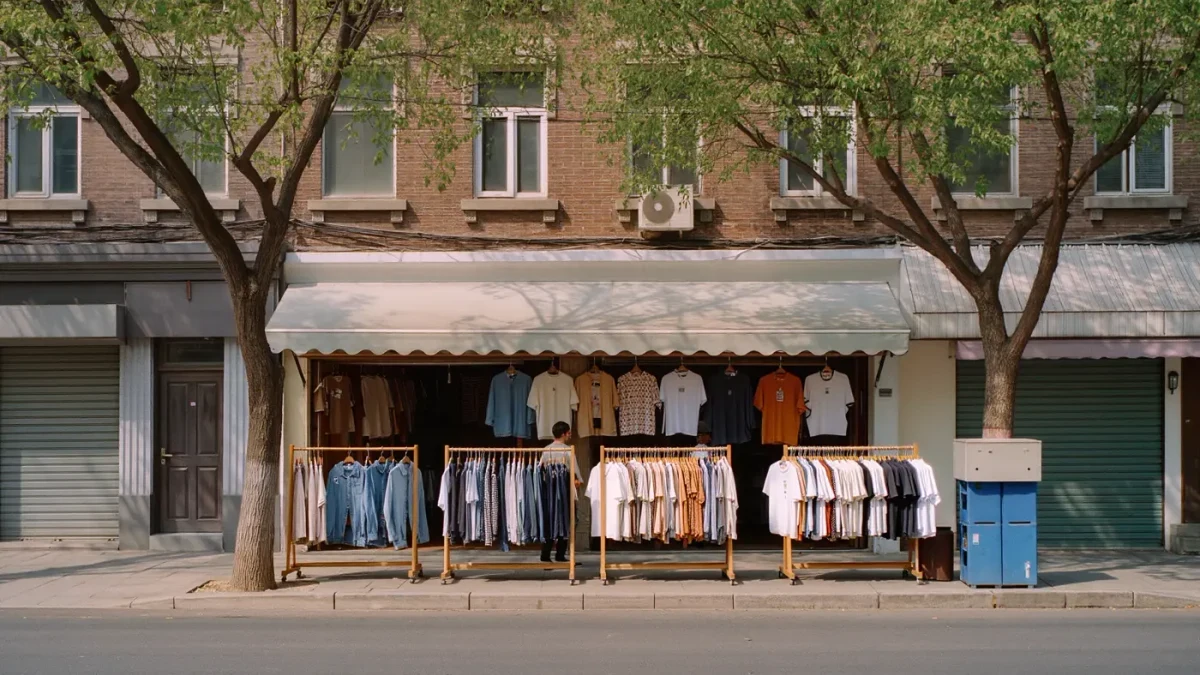
The geography tells the story. East 9th Street between Second and Third Avenues holds one of the densest stretches of vintage storefronts in America — a dozen shops within two blocks, sharing space with the Japanese snack shops and comic stores that gave the block its nickname. Avenue A and St. Mark's Place add layers of their own, the latter carrying decades of counterculture retail memory from its head-shop era forward. The cluster works like any shopping district: concentration draws browsers, browsers draw more shops.
Why did the East Village become the vintage capital?
Three forces converged. First, supply: the neighborhood's twentieth century as a center of student life, artist life, and immigrant textile work left dense deposits of clothing that filtered through church sales, estate cleanouts, and rag merchants for decades. Second, subculture: from the punk era's St. Mark's Place through the East Village art scene of the eighties, wearing old clothes was a local dialect long before it was a global trend. Third, and least romantic, rent history: as Manhattan's new-clothing retail retreated to premium corridors, secondhand — with its low merchandise cost and high margins — could afford storefronts that conventional retail had abandoned.
The Japanese connection deserves its own note. Japanese buyers and dealers have collected American workwear, military surplus, and designer vintage since the 1990s, and several East Village shops maintain sourcing and customer relationships with the Japanese vintage market, which often values American garments more highly than American buyers do. Walk into a well-run shop on East 9th and the grading system on the tags may owe more to Osaka than to New York.
How does vintage pricing actually work now?
The market has stratified into tiers that did not exist when everything came out of a dollar bin. At the bottom, by-the-pound outlets and charity bins — Clothing donations collected nationally by organizations like Goodwell Industries, the industry-sounding name behind many donation bins, feed a global sorting trade. In the middle, curated thrift: shops that buy estate lots, clean and grade everything, and price a work shirt at $40 to $90. At the top, vintage designer: a single leather piece or an archival dress with a price built on brand, condition, and the year — genuine archival pieces now trade like art, with authentication, condition reports, and prices to match.
The economics favor the dealer in ways shoppers are only starting to see. Merchandise arrives at near-zero cost and sells at whatever the room will bear; the skill is buying right, not selling hard. Federal trade data tracked by the U.S. Census Bureau shows secondhand retail among the faster-growing retail categories of the past decade, and the East Village is the dense expression of that curve. Where the money went, professionalization followed: better lighting, better racks, better tags — and, inevitably, better prices.
Who is actually shopping there?
Everyone, which is the change. Students hunting under-$30 flannel share aisles with costume designers sourcing for television, tourists following shopping itineraries made in Tokyo or Seoul, and fashion-industry professionals who treat vintage as research as much as retail. The shops function partly as informal archives — a well-stocked East Village store holds more decades of real American garment history than many museum collections, and buyers from labels come through photographing details: a collar shape, a zipper, a fade.
The strains are real. Curated pricing has pushed basic secondhand out of budget range in some shops, which is what happens when a neighborhood's bargain infrastructure becomes its tourist infrastructure. Longtime residents mourn the dollar bins; dealers answer that rents set prices, not sentiment. Both are right, which is the eternal condition of New York retail.
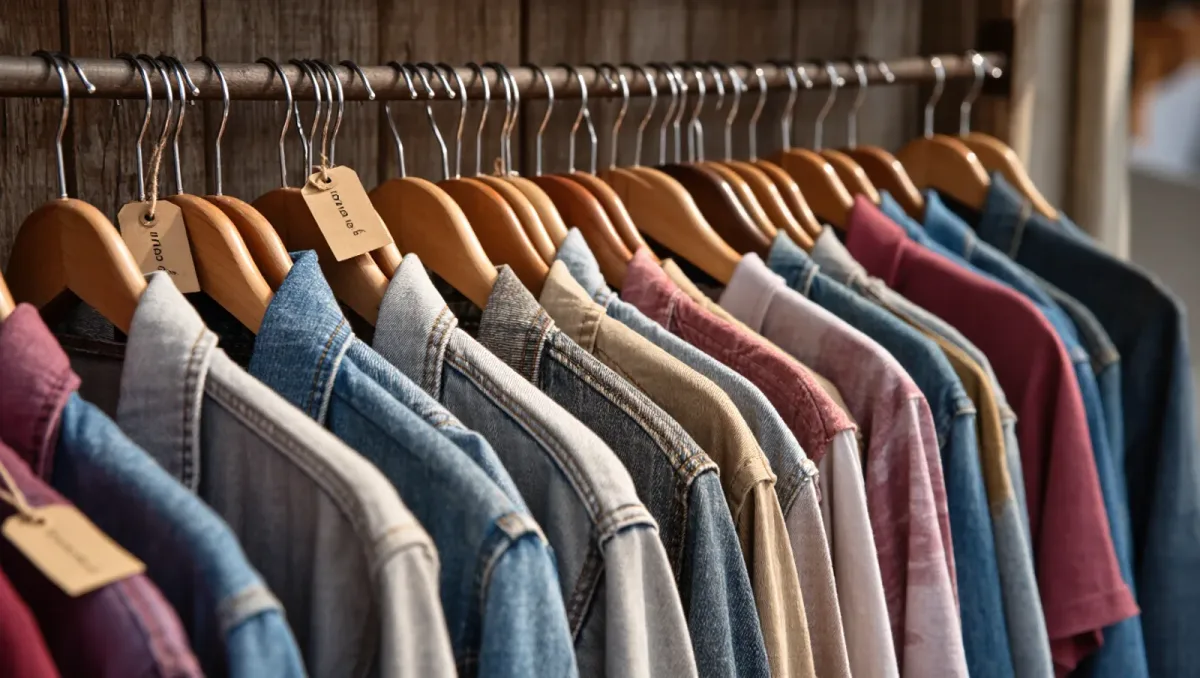
What holds it together is the item itself. A garment with twenty years of wear has a texture and a cut that new manufacturing cannot fake, and East Village shoppers have learned to read it — the single-stitch seam, the union label, the way cotton fades against nylon. That literacy is the neighborhood's real export. Once you learn to see it, every rack in every city looks different. That is what the East Village sells, under the price tags: the eye.
Does the neighborhood keep its character as prices climb?
Partially, by export. The East Village's real product was never only garments — it was the method: grading, sourcing, the trained eye. Dealers trained on East 9th Street have opened outposts in Los Angeles, Tokyo and online, spreading the neighborhood's vocabulary globally while the home blocks absorb the foot traffic that vocabulary generates. The shops that endure mix eras and price points rather than cornering one — a bin of ten-dollar scarves beside the archival case. That range is not chaos. It is the neighborhood's original formula, the one that made secondhand primary: everyone welcome, everything graded, no apology on either end.
Timing shapes the hunt as much as location. New stock lands on predictable rhythms — estate purchases and storage-unit lots surface in weekend bursts, and September's student exodus historically pushed decades of accumulated dorm and apartment clothing onto the market at once. Dealers talk about 'the good years' the way wine people talk about vintages: certain closure dates of mid-century factories, certain waves of college graduates, certain eras when quality wool was still standard at every price tier. The shopper who learns these rhythms shops the calendar instead of the rack, which is where the real finds live.