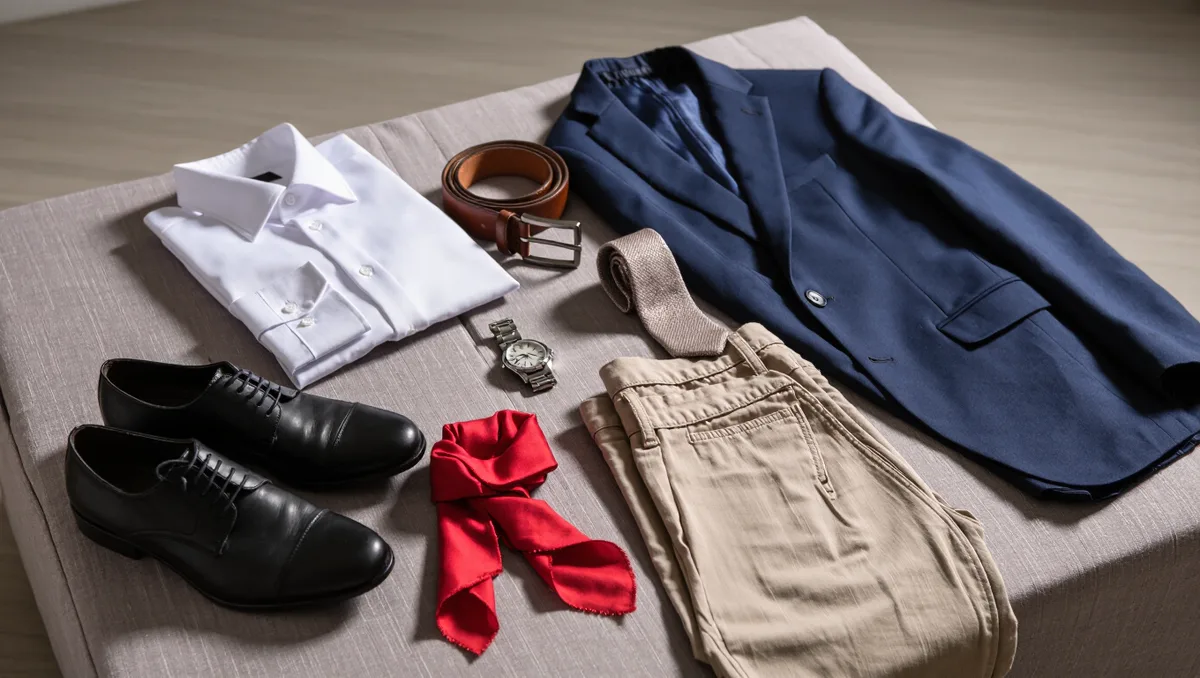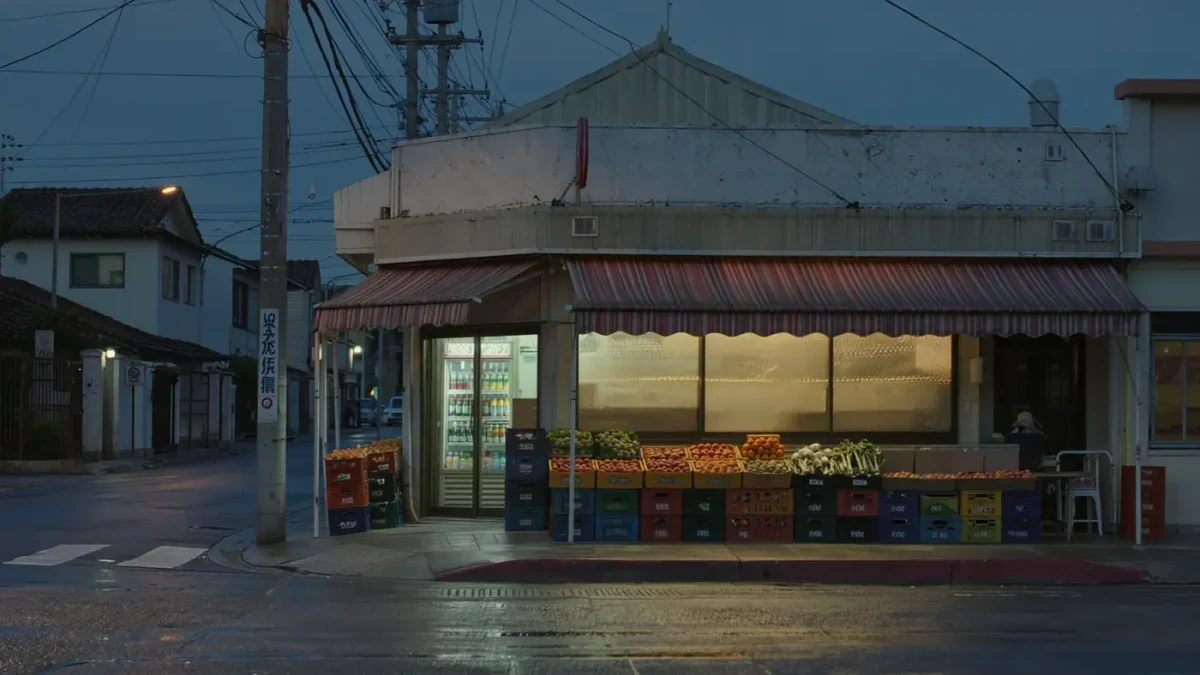
Has social media actually erased New York's neighborhood styles, or just moved them? The honest answer: the feed flattened the surface and left the structure intact. The old system was legible everywhere because it had to be — the Outer Boroughs' workwear practicality, Washington Heights' crisp branding, Brighton Beach's specific polish, the East Village's accumulated thrift grammar, the UES's inherited restraint. Instagram did not destroy those codes. It siphoned off every one of them the moment they photographed well, converted them into global microtrends within a season, and left behind neighborhoods that look more alike on camera and less alike in person. The distinction now lives below the frame line.
Understanding what changed requires remembering what the local code was for. Before the feed, a neighborhood's dress did real work: it identified, it protected, it signaled membership to insiders and warned outsiders precisely because outsiders couldn't decode it. That opacity was the point — a style only legible within fifteen blocks functioned as both community glue and social firewall. Platforms like Instagram are, structurally, opacity-destroying machines: their entire value depends on making local practice visible everywhere, instantly, for free. A code built to travel fifteen blocks suddenly traveled fifteen thousand miles. Something had to give, and it was the secrecy.
What exactly did the feed take?
The photographable half. Silhouettes, color combinations, sneaker choices, accessories — everything that reads in a still image was extracted and standardized almost immediately. The gorpcore wave, the logo revivals, the workwear boom: each began as a functional local practice somewhere in the city, went viral as an aesthetic, and returned to its origin as a product everyone could buy. The result is a strange loop in which a style's home neighborhood ends up looking like it copied itself. Local fashion's photogenic layer has been permanently annexed by the global market, and no block has the publishing power to take it back.
What the feed could not take is context, and context is where the remaining difference lives. Two people can wear identical clothes and still not belong to the same code, because the code was never only the clothes: it is how the coat is worn open in January, which shoe is sacrificed to the sidewalk, what is deliberately not branded, how newness itself is calibrated — too new reads as trying in some neighborhoods, not new enough reads as careless in others. None of that survives a screenshot. The feed exported the noun and kept none of the grammar, and the grammar is what a neighborhood actually speaks.
Why do the blocks still look different in person?
Because the underlying forces that created local style were never digital. Neighborhoods in New York remain sorted — by the income the census's American Community Survey measures block by block, by immigrant community, by age, by what the local retail rent allows to survive on the corner. A sixteen-year-old in Washington Heights and one in Greenpoint are served by different stores, different peer groups, and different daily weather of social proof, whatever their phones have in common. Dressing is still a local practice performed for local witnesses: the bodega regulars, the block, the school corridor. The feed competes with those witnesses. It has not replaced them, because a stranger's like cannot do what a neighbor's nod does.
The retail layer tells the same story. National chains make every commercial corridor look alike, but the layer beneath — the hair braiding shops, the meat market on the corner, the shoe repair on the avenue — remains stubbornly specific and quietly sets dress norms no platform indexes. Where local retail thrives, local style survives; where a neighborhood's storefronts are fully franchised, the local code really did die, and the feed is only the pallbearer, not the cause. Rent, not Instagram, remains the primary author of what a block can wear, which is why the flattest-looking blocks and the most distinctive ones are often a single subway stop apart.
How does the loop actually play out on one block?
Watch a single trend make the circuit. A practice starts as function — say, the specific way longshoreman-style canvas work coats circulated through certain Outer Borough peer groups for decades because they were warm, cheap, and indestructible. A street photograph surfaces, a brand notices, a runway sends canvas workwear down its line, and within two seasons the coat is sold at every price point from department store to resale app. Back on the block where it never stopped being worn, the coat now reads differently: some locals abandon it as borrowed, some wear it harder, some stop noticing. The style did not die anywhere. It just acquired a second life as costume, and the block now has to share its own coat with the planet.
So is neighborhood style dead or just quieter?
Quieter, deeper, and harder to borrow. The visible codes have been absorbed into the global wardrobe, and any new one now gets published within weeks of its invention — that asymmetry is permanent, and it means New York's neighborhoods will never again control their own images the way they did when style traveled at walking speed. But the feed's flattening is also self-limiting: once everyone can wear everything, wearing something stops meaning anything, and the meaningful signaling migrates back into details the camera misses. The locals always hold those details. You can photograph a block. You still cannot download it, and the distance between the two is exactly where the neighborhood look lives now.