Per Reuters, on June 5, 2025, Gucci owner Kering entered talks to sell a stake in the 715–717 Fifth Avenue property it had bought in January 2024 for $963 million to secure a flagship address near the corner of 56th Street. The transaction discussions, reported roughly a year before the current retail season, flagged something bigger than one deal: the most expensive shopping street in the Americas now functions as a balance sheet, not just a place to hang clothes. As the summer 2026 shopping season peaks, that reframing is visible in every window between 49th and 64th Streets.
The Building Became the Brand Asset
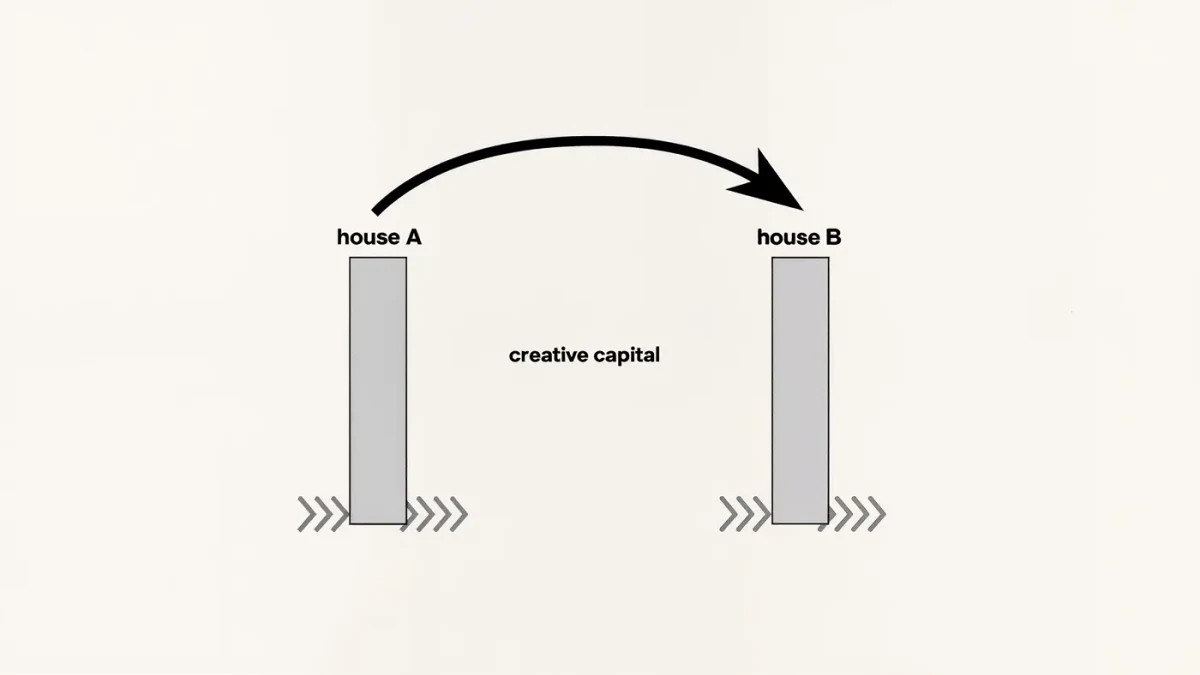
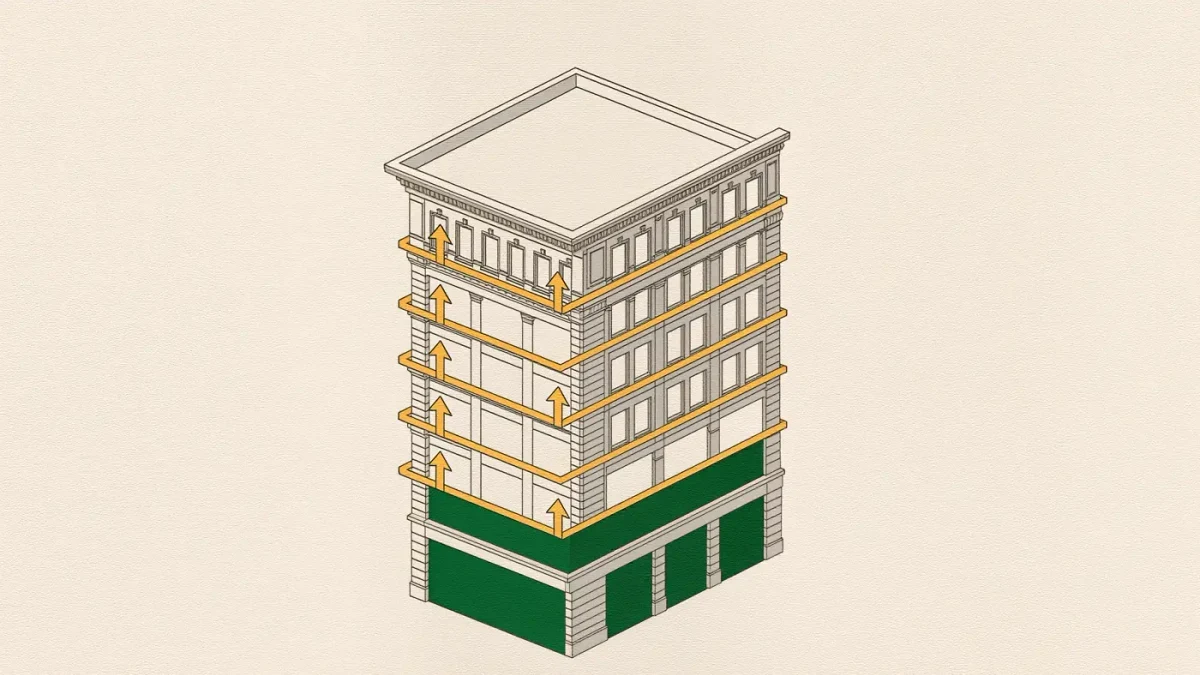
A decade ago, a flagship was a marketing expense. Today it is a securitizable asset with a valuation that can exceed the operating profit of the brand inside it. Kering's purchase — nearly a billion dollars for a handful of floors of retail — was strategy: own the corner, control the customer's field of vision, and hold real estate that appreciates whether or not a single bag sells. Selling a stake in that same building, as Reuters reported the group exploring, converts branding into liquidity without giving up the storefront. Fashion groups have learned what New York landlords always knew: the ground floor is the last inflating asset in the portfolio.
What the Street Looks Like Now
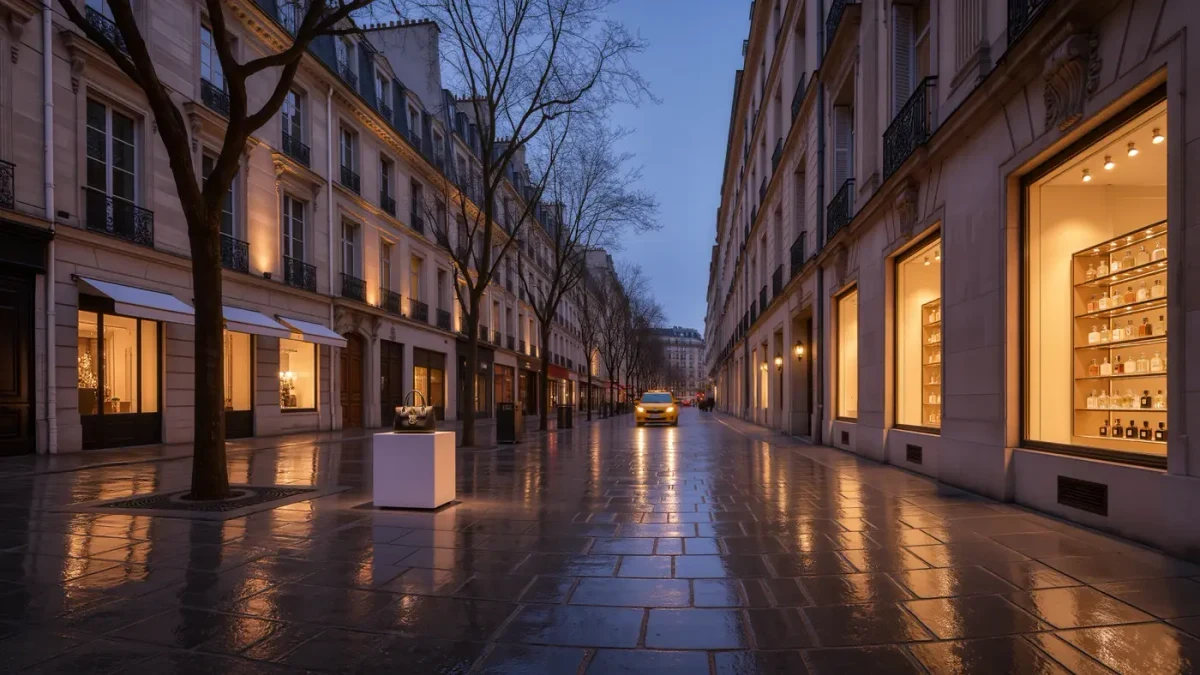
Walk Fifth Avenue this August and the effects are concrete. Availability is scarce because owner-occupiers — European luxury groups — have taken their flagships off the leasing market entirely. Rents for what remains trade at levels only brands with global marketing budgets can justify. Meanwhile, the newest entrants are watchmakers and jewelry houses, whose small-footprint, high-ticket model fits the economics of a street where every square foot carries a mortgage. The corridor's redesign, long promised by the city, only sharpens the premium: fewer cars, wider sidewalks, more pedestrians with time to look up.
Why It Reaches Beyond Midtown
When flagship buildings become financial instruments, the whole geography of New York shopping re-prices. Brands that cannot buy corners migrate — to Madison Avenue's upper blocks, to SoHo's cast-iron blocks, to Brooklyn's main streets — and the street hierarchy of the city solidifies around who owns versus who rents. For shoppers, the visible layer is pleasant: renovated facades, jeweled storefronts, longer hours. The invisible layer is a market where the decision to open a New York store is made by finance departments, not designers.
The Kering stake talks were a signal, not an ending. Expect more European groups to treat their New York properties as capital: partially sold, debt-backed, and precious. The clothes in the window will change every season. The ownership structure behind the window is now the real fashion story on Fifth Avenue.