On June 26, 2026, the company that filed for bankruptcy in January as Saks Global emerged from Chapter 11 under a new name: Exemplar Luxury Group. Per Reuters, on June 26, 2026, the exit came nearly five months after the January 13 filing, with funded debt reduced by more than 75 percent from the more than $3.4 billion the company carried into court, a new ownership structure, and a smaller store footprint after the closure of most Saks Off 5th outlets.
What Emerged, Exactly
The restructuring did three things at once. It erased most of the debt load accumulated in the Neiman Marcus acquisition. It transferred ownership largely to creditors, the parties who had the most to lose. And it rebranded the parent, keeping the 100-year-old store names — Saks Fifth Avenue, Neiman Marcus — while retiring the corporate identity that had become shorthand for financial distress. Vendors, who watched unpaid invoices pile up last winter, now deal with a company whose first job is proving it pays on time.
Why the Name Change Matters on Fifth Avenue
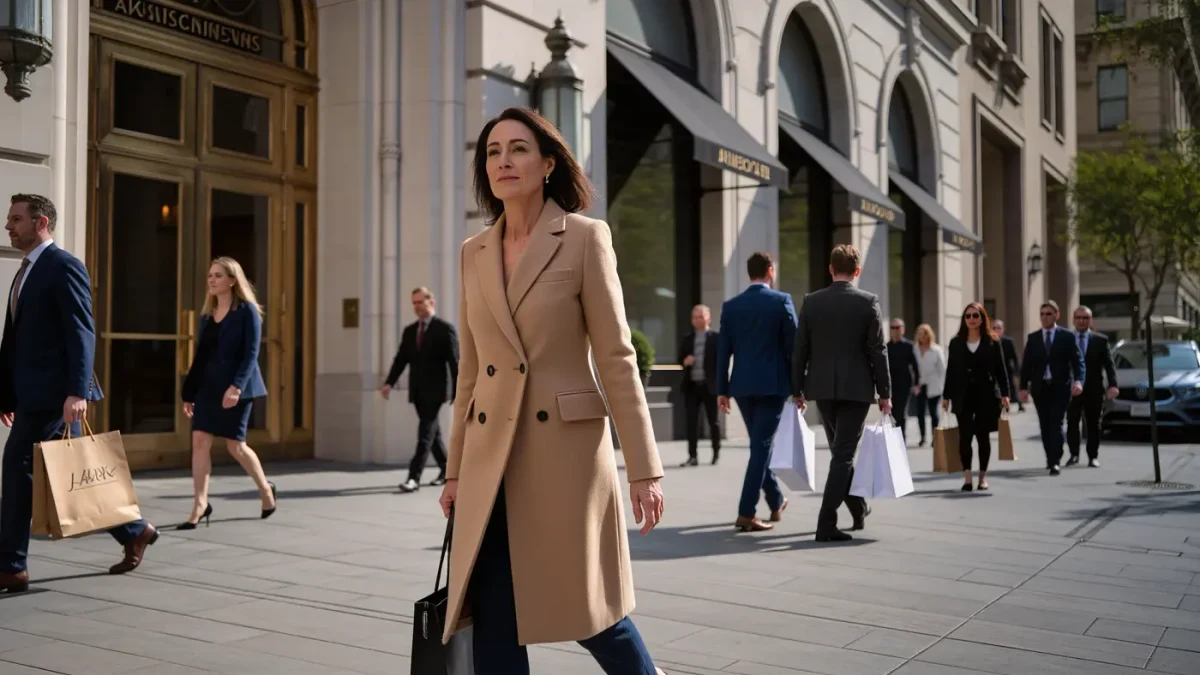
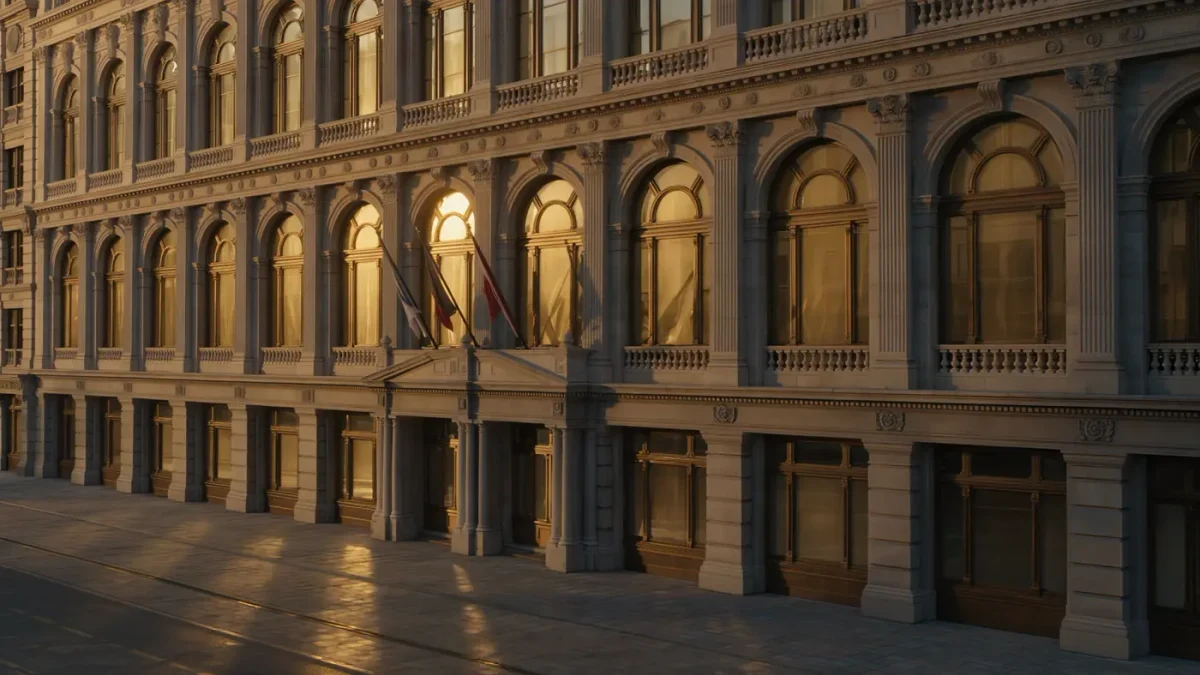
New York's flagship is the case study. The Saks Fifth Avenue store at Fifth Avenue and 50th Street survived the bankruptcy as the crown asset — the tourist destination, the holiday windows, the brand the whole restructuring was built to protect. Exemplar Luxury Group is, in practice, a company built around that building. A renamed parent signals to landlords, lenders and luxury brands that the era of acquisition-fueled expansion is over and the era of operating a small number of very large stores has begun.
For the city's fashion workforce, the reset cuts both ways. The buying offices and corporate functions that survived are leaner, and the outlet channel that absorbed excess inventory — a pressure valve for the whole wholesale system — is largely gone, which pushes markdown pressure back onto brands themselves. Designers who shipped to Saks on credit last year will demand different terms now; expect more consignment and prepayment arrangements in the American luxury wholesale market, with New York showrooms negotiating them first.
The Test Ahead
The emergence is a legal milestone, not a retail one. Per Reuters, the company exited with a smaller footprint and a stated focus on its luxury department stores, which means the next test is ordinary: fill the flagship with merchandise customers want, at prices the post-bankruptcy supply chain allows, without the discount channels that once moved the leftovers. New York will see the verdict before anyone — the store's racks, its vendor mix and its windows are the quarterly report this company cannot restate.