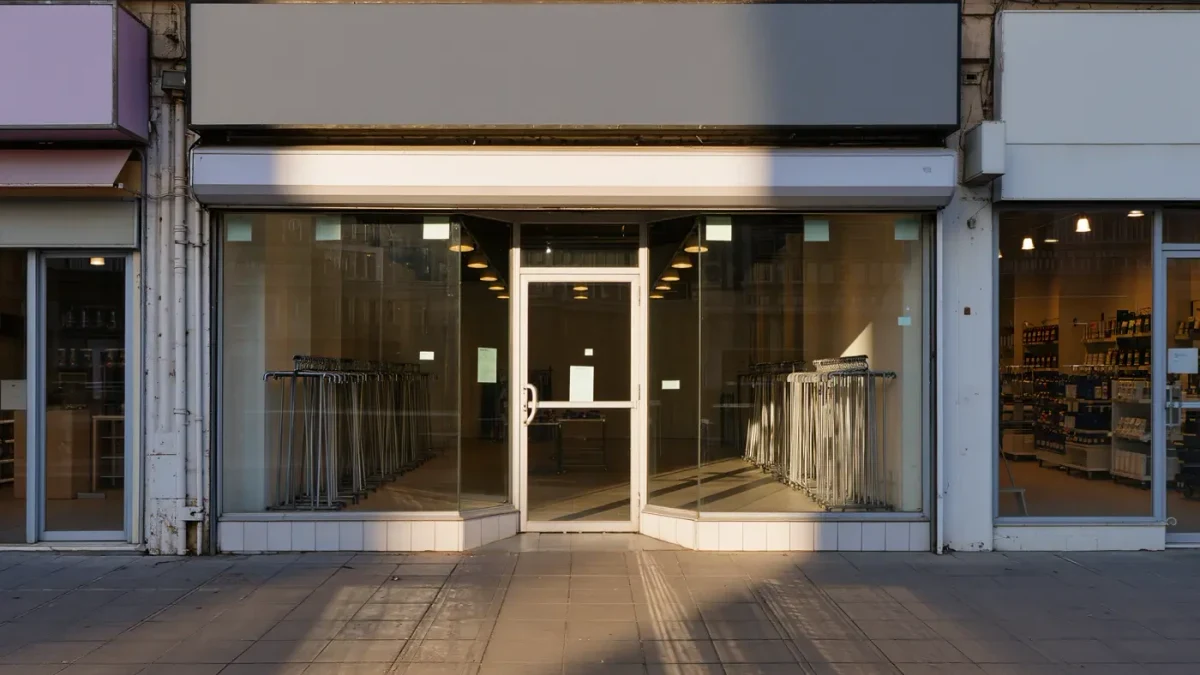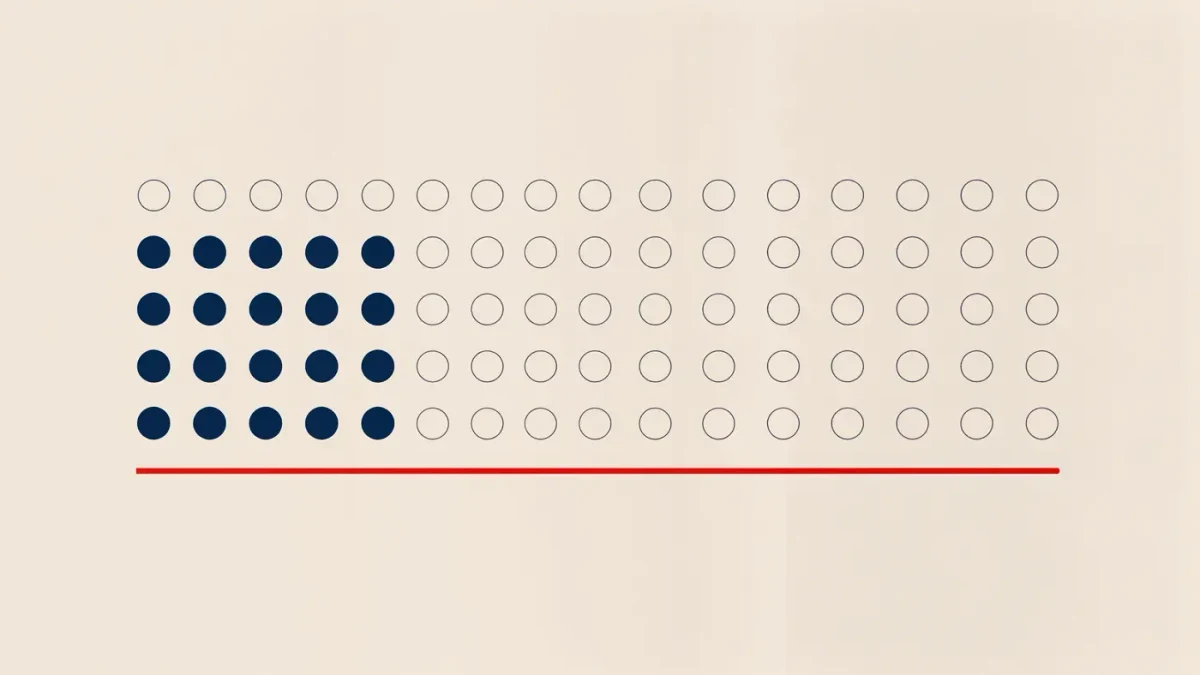
Saks Global, the owner of Saks Fifth Avenue and Neiman Marcus, filed for Chapter 11 bankruptcy protection late on January 13, 2026, with court documents showing roughly $3.4 billion in debt. The company's Manhattan flagship on Fifth Avenue stays open. But the discount arm of the business does not: per an announcement reported by AP on January 30, 2026, Saks Global will close all but about 12 of its roughly 70 Saks Off 5th outlet stores, shut its five Last Call locations and wind down the Saksoff5th.com website, keeping the remaining outlets as a clearance channel for the department stores.
The Fastest Fall in Luxury Retail
Per Reuters, on January 14, 2026, the filing came barely a year after the Neiman Marcus acquisition that was supposed to create an American luxury powerhouse — and the courtroom paperwork instead catalogued a financial collapse: missed payments to vendors, halted shipments and a last-ditch hunt for financing. A U.S. bankruptcy judge granted initial approval of $400 million in rescue financing on January 15, 2026, enough to keep stores operating through the process.
The detail most coverage skipped: per Reuters reporting on the same filing, Saks leaned on its real estate — long-term property rights gathered through the Neiman Marcus deal — as a core argument for why landlords and lenders should keep the doors open during bankruptcy. The buildings, in other words, are the balance sheet.
What Closes, What Stays, and Where
For New York, the arithmetic is specific. The Fifth Avenue flagship — the tourist magnet and the city's most photographed retail address — is being positioned as the survivor, the store the restructured company is built around. The Off 5th outlets, including locations in the city's outer-borough shopping corridors, are mostly not. Going-out-of-business sales at those stores turn inventory bought on credit into cash, a mechanism that funds the reorganization even as it empties storefronts.
Why It Matters for How the City Dresses
Outlet retail is the quiet floor of the New York wardrobe: it is where designer labels get marked down into reach for most shoppers. Removing nearly sixty outlet doors in a matter of months does not just shrink a chain — it narrows the price ladder between sample sale and full-price flagship. The next layer down, resale and consignment, inherits that demand, and resellers in Brooklyn and Harlem know it.
The bankruptcy also re-routes the luxury supply chain. Designers and wholesale brands left unpaid by the filing — a creditor list that runs deep through the fashion industry — will think twice about shipping to a restructured Saks without upfront cash, which changes what lands on Fifth Avenue racks next season. The store will reopen its doors every morning. What is inside them, and at what markup, is now being decided in bankruptcy court rather than on the sales floor.