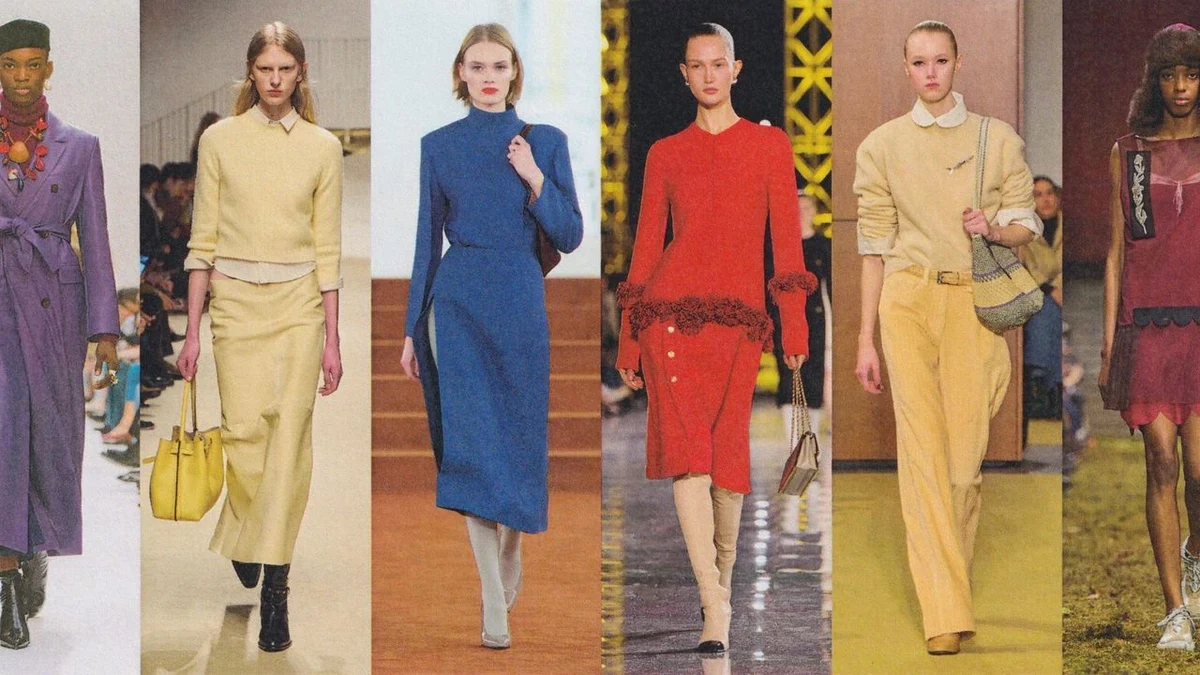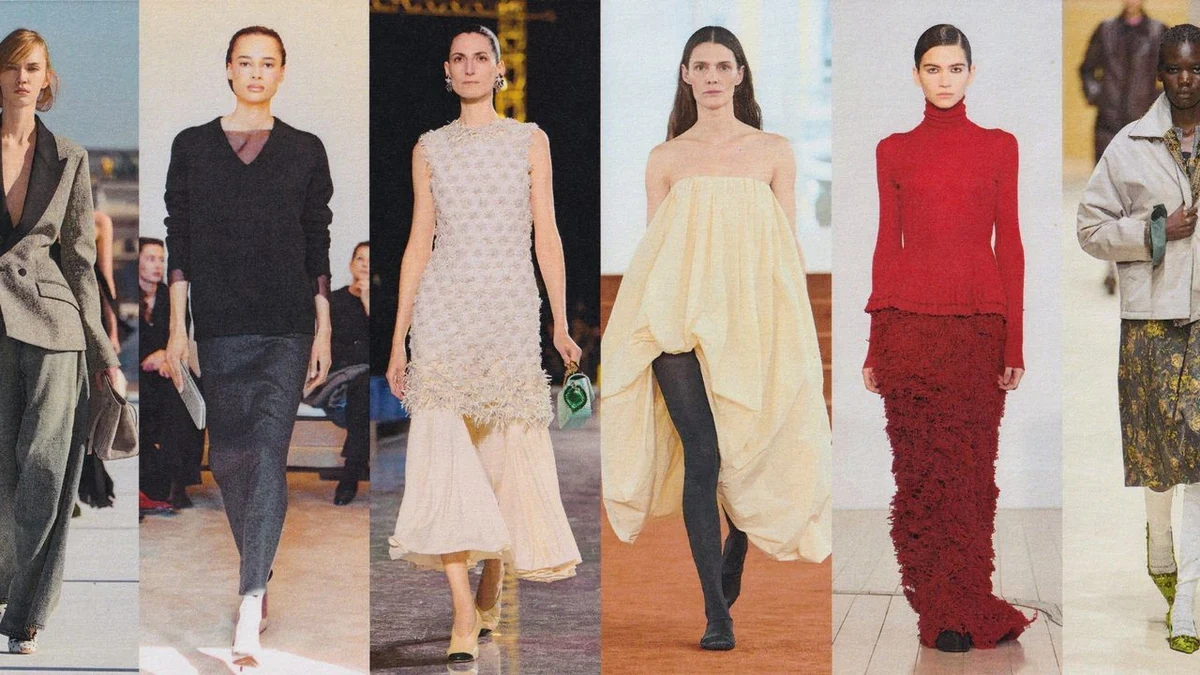
On February 13, 2026, midway through New York Fashion Week's February 11–16 run, Michael Kors sent a fall collection down the runway that the designer framed explicitly as New York chic — a city-first statement from the largest New York-founded brand showing this season. Per Reuters, on February 13, 2026, Kors brought the theme to the fall/winter runway with the polish his label has traded on since the 1980s, when his first collections were shorthand for a specific kind of Manhattan glamour.
A Season Built Around the City
This edition of fashion week was staged, in effect, as a defense of New York relevance. Per Reuters' preview on February 5, 2026, around 60 labels hosted catwalk shows or designer presentations this cycle, in a season framed around American brands that have kept growing while European luxury stalls. Against that backdrop, Kors' show functioned as the commercial anchor: a global brand with hundreds of stores choosing to argue, on a New York runway, that the city's aesthetic is still an export worth selling.
Why It Matters Beyond the Runway
Two reasons this lands outside the tents. First, buying. Department-store orders placed off this runway — with Bloomingdale's and the surviving Saks flagship as the city's principal luxury counters — determine what the fall 2026 shopping season looks like on the street. A Kors collection coded as New York is aimed precisely at the customer those stores have been winning: the shopper paying full price for city-coded status while value hunting everywhere else.
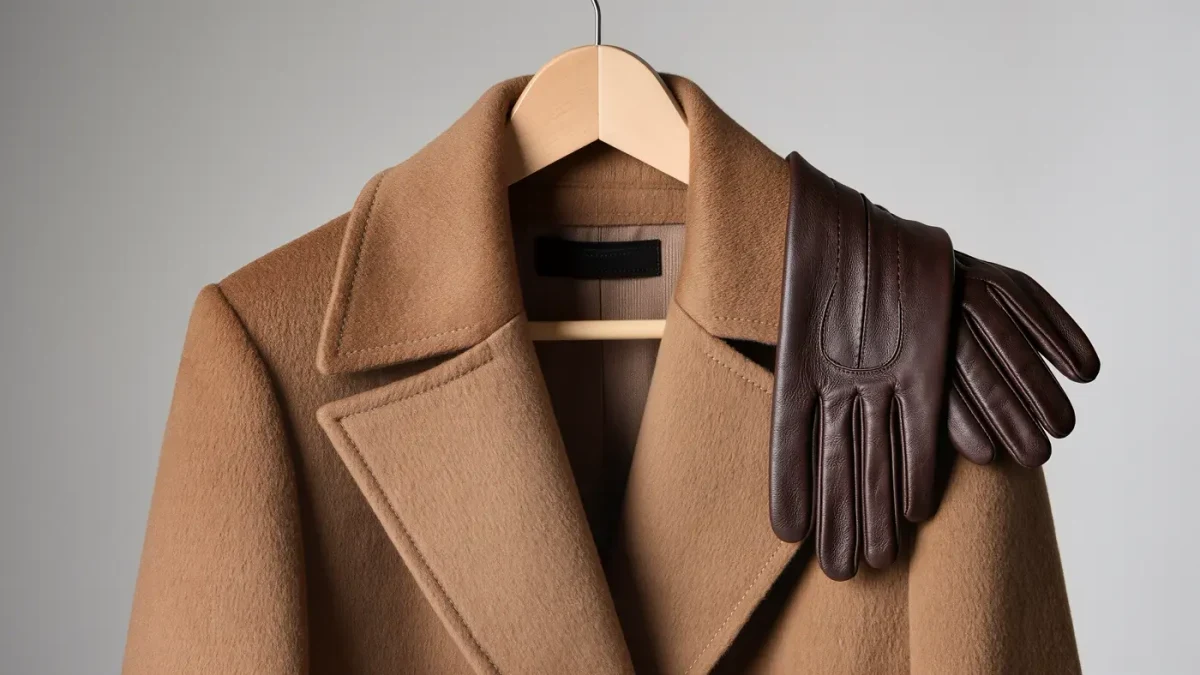
Second, the city's self-image. New York fashion week has spent years ceding spectacle and celebrity gravity to Paris, and each season brings the same obituary draft: too commercial, too thin, too few big names. A homecoming-thesis show from its most commercially durable designer is the counterargument — that the city's actual look, polished but walkable, black-heavy and coat-driven, is itself product.
The Sourced Detail Worth Keeping
The overlooked number sits in the preview, not the show: roughly 60 labels presented this February, a scale that quietly contradicts the fashion week-is-dying narrative — and the Reuters framing noted these were American brands that have bucked the luxury downturn. The resilience is concentrated exactly where the city's fashion economy lives: accessible luxury, outerwear, bags — categories New York designs, shows and sells. For the people who dress this city, the February message was less about any single hemline than about geography: the reference, the market and the runway sat in the same five boroughs again.