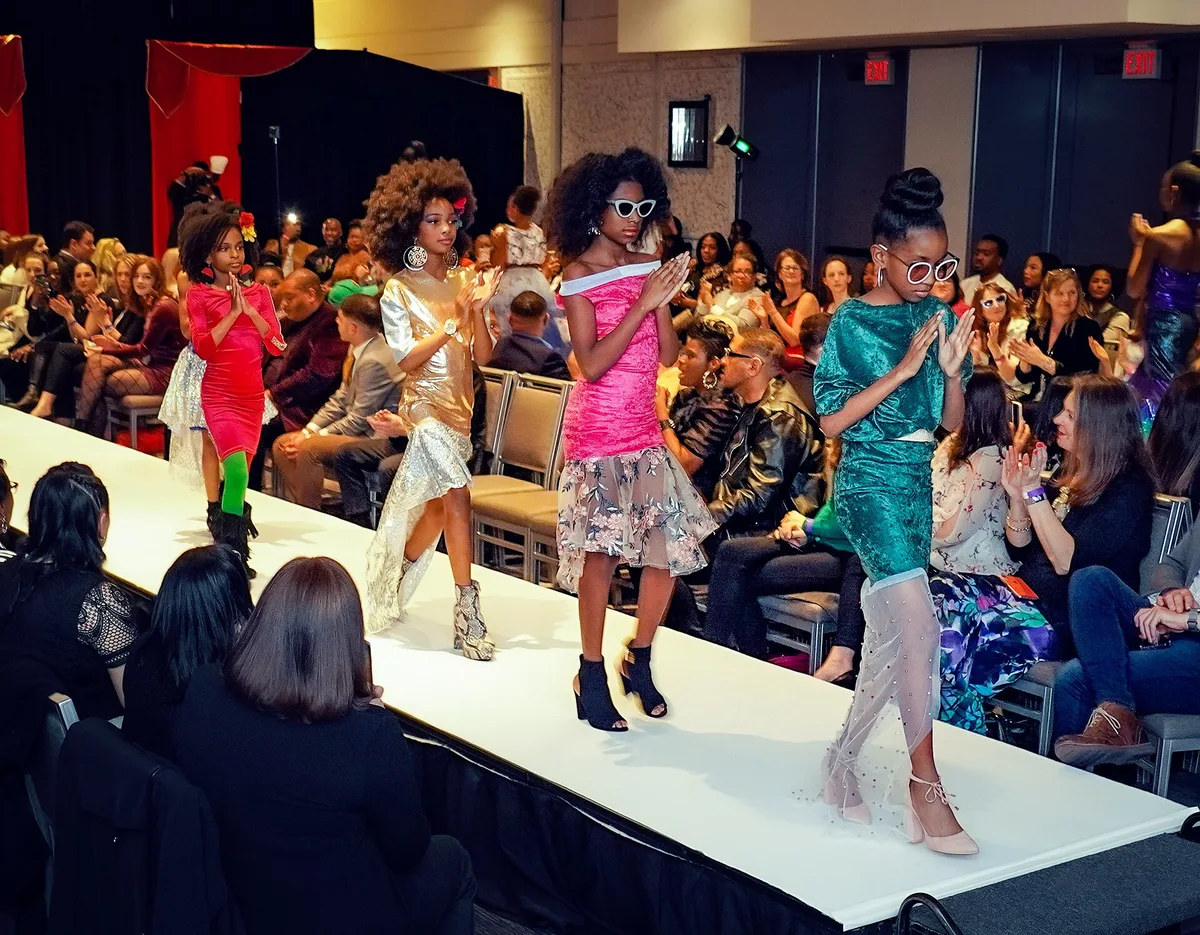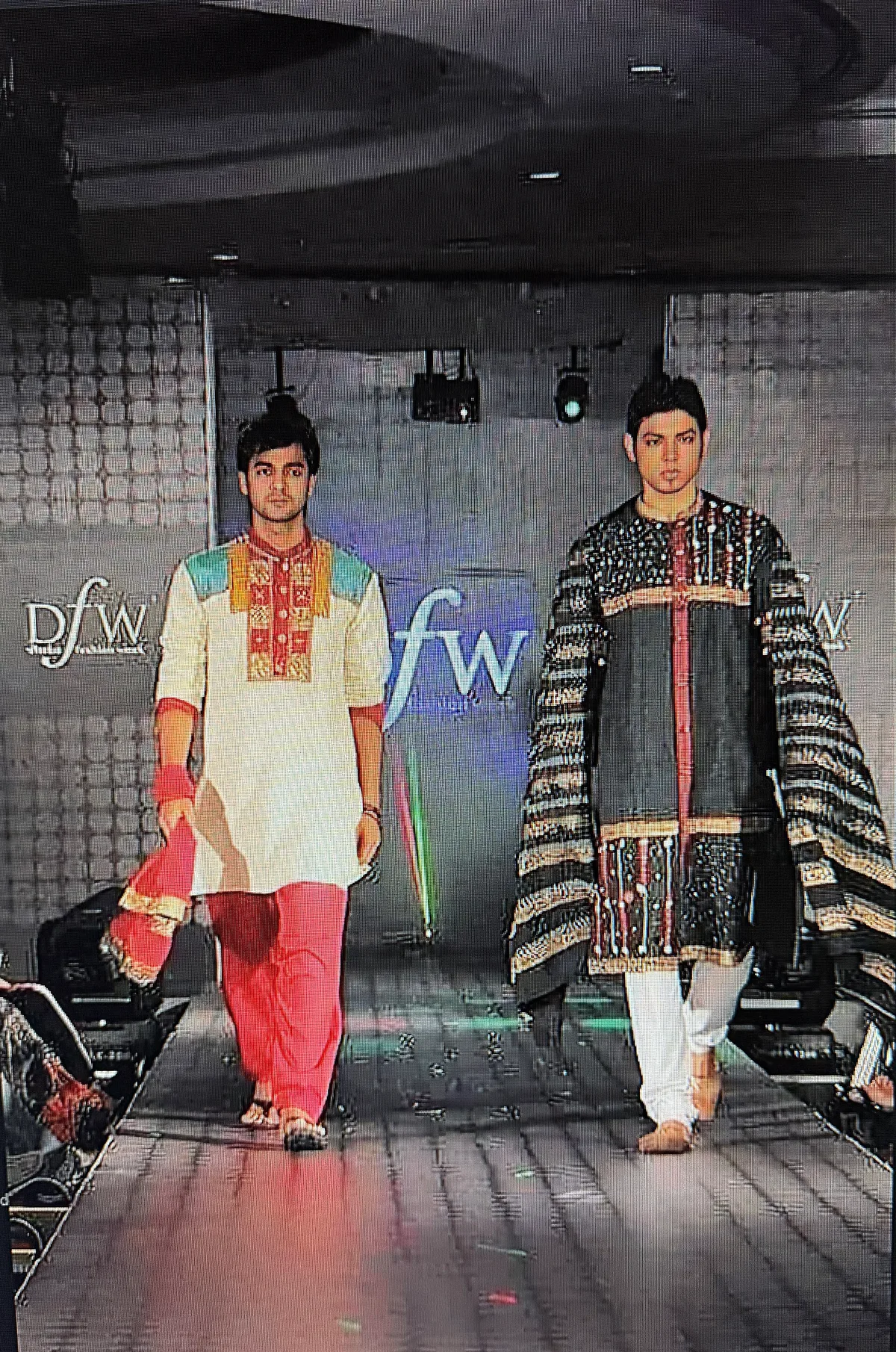
A runway walk is a controlled gait built for one purpose: showing clothes in motion. It looks casual. It is not. The best walks share three things — a long, lifted posture, a steady pace that never rushes the garment, and a pivot that spends no energy. Get those right and the walk disappears. What is left is the coat.
The pros make it read effortless because almost nothing in it is improvised. Heel lands first, weight rolls through the foot, the knee stays soft. That sequence is not runway folklore; it is ordinary sound walking form, and it is documented in plain terms by wikiHow's guide to walking technique, which describes the same heel-to-toe roll that carries a model down a runway. The difference is staging, not mechanics.
Where does the walk actually begin? On the runway hub of this site, the answer usually starts with the clothes. Here it starts with the spine. For related coverage, see Twelve Minutes, Timed to the Second: The Hidden Choreography of a Runway Show.
What is a runway walk, exactly?
Strip the staging away and a runway walk is simply a walk — Merriam-Webster defines the gait of a biped as one in which the feet lift alternately, with one foot never fully clear of the ground before the other touches. That is the base. Cambridge's dictionary adds the useful synonym set: stride, march, stroll, amble. A runway walk borrows the stride and refuses the amble.
So the definition is narrow. It is a walking gait, not a run — both feet are never off the ground at once — performed at a pace the room can read. The model is a moving mannequin. The walk's job is to let fabric swing, drape, and settle the way it will when a customer moves in it. That is why the mechanics matter more than the attitude. Attitude is set dressing; the gait is the product demo.
Where does good posture come from?
From the ground up, not the chin up. Most bad runway walks are built from the neck, with the model lifting the head and letting everything beneath sag. The pros build from the feet and let the head arrive last.
The documented basics line up cleanly. wikiHow's walking guide calls for standing straight with the head high, eyes forward, chin parallel to the ground — it suggests looking roughly 15 feet ahead rather than down at the floor. It also calls for a slight bend in the knee on every step, warning against hyperextension, which it defines as the knee drifting backward past straight and which loads stress onto the joint. On a runway, that soft knee is not only a safety point. A locked knee reads stiff on camera; a bent one keeps the leg line long and the step quiet.
Two more pieces come from the same source and matter as much: engaged abdominal muscles to hold the torso upright, and hips that stay facing forward instead of swinging side to side. In the atelier, this is the difference a fitter sees instantly. A swaying hip changes where a skirt's side seam sits. A collapsed torso shortens the line of a tailored jacket. Posture is a fit issue before it is a style one.
How fast should the pace be?
Faster than a stroll, slower than a rush — and built from short steps, not long ones. wikiHow is blunt on this: long strides can strain the lower back over time, and the way to move quicker is small, quick steps rather than reaching. Runway practice agrees for its own reasons. A short step keeps the body's weight over the feet, which keeps the walk stable in heels, on a slick floor, under lights, in a garment that pulls.
Pace also has to serve the clothes. A heavy wool coat needs a beat more time to swing than a slip of a dress. Casting directors and show choreographers time the walk to the room and the soundtrack, and the hidden timing of a show is tighter than audiences assume — this site's piece on the hidden choreography of a runway show covers how little slack a twelve-minute set allows. The practical read: the model sets a baseline pace, then adjusts by a fraction for the garment. That adjustment is a craft skill, and it is one of the things separating a working professional from a strong go-see. How that final call gets made is its own process, described in how runway casting actually works. This connects to our earlier piece, How Runway Casting Actually Works: Go-Sees, Callbacks, and Who Makes the Final Call.
What makes the pivot read effortless?
Momentum, not muscle. The amateur turn plants both feet, stops dead, and cranks the body around by force. The professional turn never fully stops. It is a weight transfer that borrows the energy of the walk and redirects it.
Broken down, the sequence most movement coaches teach is this: the final step before the turn lands slightly wider than usual, so the feet have room to work. The back heel lifts as the body's weight moves over the front foot. The turn itself rotates on the ball of the front foot while the eyes lead — the head spots forward first and the body follows, which keeps the model facing the photographer's side of the room for the beat that matters. Then the first step out of the turn is deliberately short. It re-centers the weight and hands the walk back its rhythm.
Notice what is absent: no pause, no flourish, no visible effort. The turn that reads as attitude is really just clean weight transfer with the head leading. That is the whole trick.
What this means: practical steps
None of this requires a runway. The components train on a hallway floor.
- Posture first. Stand tall, chin level, eyes on a point ahead rather than down. Engage the torso; let the shoulders stay easy. wikiHow's caution applies here too — strong posture is not stiff posture.
- Heel to toe. Let the heel land, roll through the sole, finish with the toes, and push off into the next step. The foot works like a spring when the sequence is intact.
- Soft knees, forward hips. Keep a slight bend in the knee and keep the hips facing the direction of travel. Shorten the stride until both feel natural.
- Short, quick steps. Build pace from step frequency, never from reach. This is the same rule the guide to ordinary walking gives, and it holds up in heels.
- One turn, practiced slowly. Walk four steps, turn with the eyes leading and the weight on the ball of the foot, step out short, and walk four more. Slow is the point; speed arrives on its own.
What the evidence here establishes is the mechanics: the lift, the heel-first roll, the soft knee, the short stride. What it does not settle is the performance layer — how much presence a particular show wants, how a designer's staging changes the read. That varies by house and by season, and the honest answer is that the walk serves the collection in front of it. The clothes decide. The walk just has to be good enough to disappear.