How does a model end up walking a runway show? Through a funnel that begins months before the date: agencies submit boards of candidates, casting directors screen them against the collection's concept, designers and stylists cut the list at callbacks, and a final lineup is booked days out — with options that can be dropped as late as the day before. It is a hiring process with the emotional temperature of an audition and the contractual looseness of gig work, and it decides more about a show's fate than most of the audience ever realizes.
The system runs on two overlapping calendars: the agency's and the show's. For the model it is a season of go-sees — brief in-person presentations at casting studios, often dozens in a week across the city. For the brand it is a filter: from hundreds of images to dozens of callbacks to a lineup that must fit the clothes, which is the constraint outsiders forget. Casting is not primarily a beauty contest. It is a sizing operation conducted over human bodies that must all wear a collection built on a single fit model's measurements.
Who actually decides who walks?
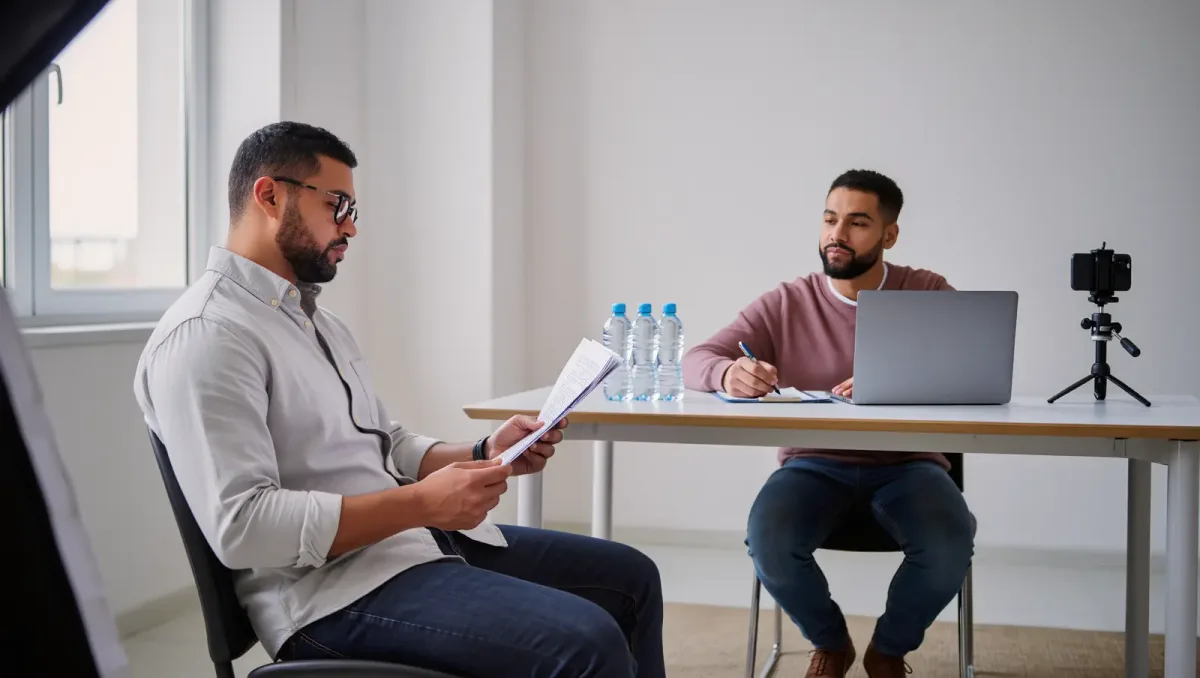
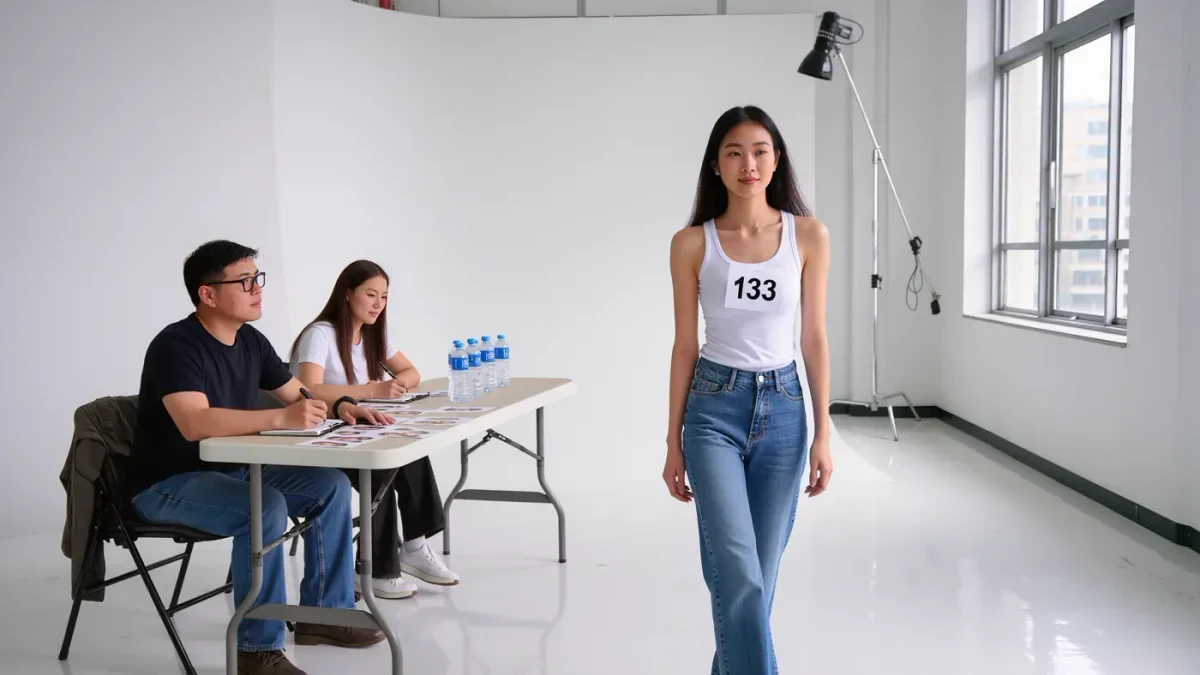
Formally, the designer. Practically, the decision is distributed across a triangle. The casting director manages the process: sourcing, scheduling, go-sees, callbacks, and the brutal logistics of avoiding conflicts when one model is requested by multiple shows. The stylist weighs how each candidate carries clothes and how the cast reads as a group — the lineup is an ensemble, and one wrong proportion can unbalance the whole sequence. The designer holds final approval, and on big shows the final callback is a room of decision-makers watching a model walk the length of a studio in heels, twice, saying very little.
Agencies hold their own power. They decide which models get submitted where, negotiate rates, and manage option contracts — the hold a show places on a model's date, which can be confirmed or released. A model's season is a portfolio of options, confirmations, and cancellations, and the agencies that play the options game well can place a single face in several high-profile shows in one week. Conflict procedures between shows are handled between agents and casting directors, usually without the designer ever knowing which rival lost the model.
What happens at a casting?
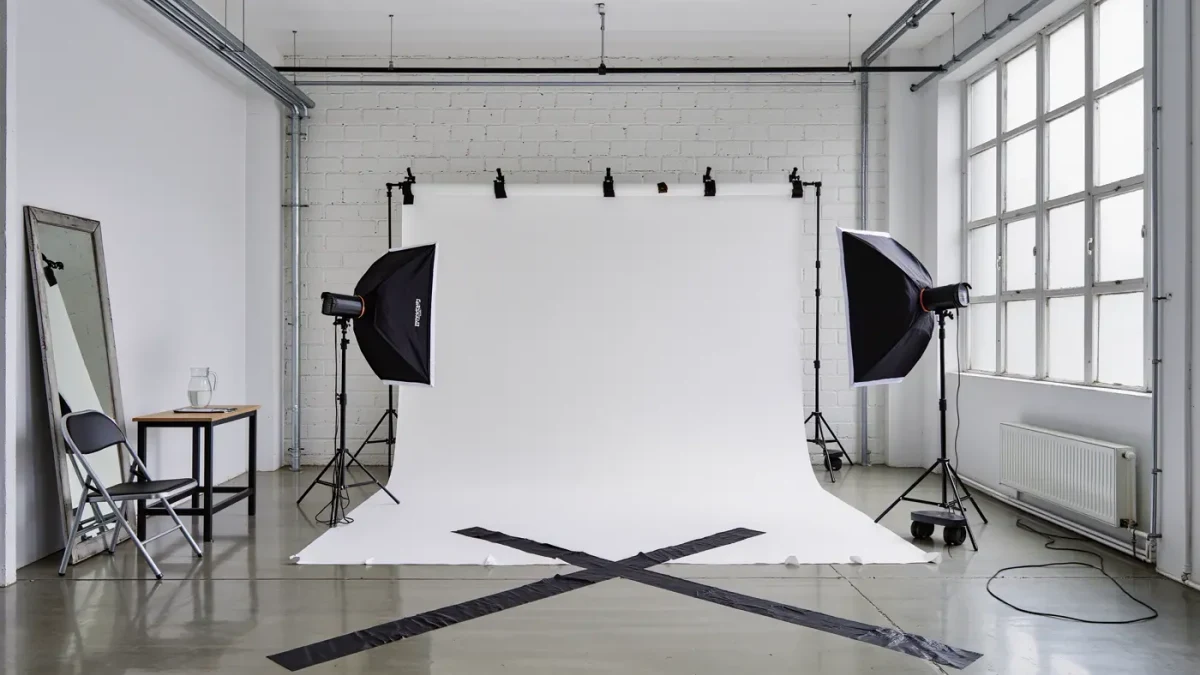
Less than outsiders imagine. A go-see lasts minutes: the model arrives at a casting studio — casting week turns whole floors of buildings in Chelsea and Midtown into a temporary processing plant — walks the room's length, stands in natural light for polaroids or phone photos taken without makeup, answers a question or two, leaves. No collection is visible; the casting director is looking at bone structure, walk, proportions, and presence against a brief the model may never hear described. Callbacks add measurement checks, garment try-ons, and sometimes a pairing exercise: how two models look side by side, or how one reads next to the established opener.
- Submissions: agencies send boards and digitals matched to the show's brief.
- Go-sees: brief in-person walk-and-photograph sessions at casting studios.
- Callbacks: measurements, garment checks, group chemistry, final walk.
- Options: holds placed on availability, confirmed or released days before the show.
- Fittings: each confirmed model is fitted to specific looks; the fitting can end a booking.
- Final lineup: the running order cast, locked in the last seventy-two hours.
Fittings are the least discussed and most decisive stage. A model can survive three rounds of approval and lose the booking at the fitting because the jacket closes wrong on her shoulders. Fit is the unfakeable test, which is why casting directors ask for exact, current measurements and why honesty about measurements is a professional survival skill.
How much does casting shape the show's meaning?
Enormously, and increasingly deliberately. Casting is where a brand's argument about who the clothes are for becomes visible: an all-local cast says something different from a global one; a cast spanning ages makes a claim that no press release can make as cleanly. In New York the past decade's casting shifts — toward broader age ranges, more representational breadth, the elevation of faces with followings of their own — have turned casting directors from gatekeepers into something closer to co-authors of the collection's public meaning. Federal equal employment law technically applies to modeling work as it does to other hiring, but the industry's aesthetic discretion is broad, and the real accountability operates through press scrutiny and agency policy rather than litigation.
For the models, the economics remain hard: day rates vary wildly, agencies take a substantial commission, and expenses are front-loaded by the model herself — tests, digitals, castings across a city that measures forty blocks to the mile. The job's glamour is retrospective; the work week is a transit schedule. And yet the funnel keeps producing, because one confirmed walk at the right show can reprice a career overnight.
Casting is not primarily a beauty contest. It is a sizing operation conducted over human bodies.
The season's rhythm also has a geography worth knowing. Casting studios cluster on the West Side where freight elevators, natural light, and proximity to modeling agencies intersect, and during peak casting week the elevators themselves become the industry's most efficient networking event. Models crisscross the city with printed schedules — a midtown agency at ten, a Chelsea studio at eleven, another studio at noon — while agents negotiate by phone between rooms and casting assistants run release lists in the hallway. The whole apparatus runs on punctuality and improvisation in equal measure, and the models who survive the week are the ones who treat the schedule as the job it is.
Watch a show's lineup closely and you are reading the output of a system: hundreds of submissions filtered through walk, measurements, chemistry, and option games, compressed into a single-file silhouette down a platform. The audience sees twelve minutes. The casting studio saw a month.