The problem with winter layering in New York is not the cold. It is the swing. A commute can run from a windy platform in the twenties to a packed subway car pushing seventy, then back out into the wind, then into an overheated office. A wardrobe built only for the cold fails halfway through the trip, when the coat comes off and the person underneath is dressed for a blizzard they are no longer in.
The fix is a repeatable formula: three layers above the waist, each one thin enough to keep on indoors, with the coat doing the heavy lifting outside. The base layer manages sweat, the middle layer manages warmth, and the coat manages wind. Get those jobs separated and the whole day gets easier. Below the waist, the rule is simpler and harsher: one layer, chosen well, because nobody is taking off trousers on the L train.
Layering as a deliberate act has been having a runway moment, too. According to ELLE, the fall/winter 2026 shows treated layering as an art form rather than a weather reflex, with designers like Tory Burch framing collars under knits and 3.1 Phillip Lim stacking head-to-toe layered knits in contrasting colors and patterns. The runway version is about composition. The commute version is about thermodynamics. The good news is they mostly agree on the fundamentals.
What is the three-layer formula, exactly?
Each layer has one job, and the jobs should not overlap.
- Base layer: a thin, close-fitting top that sits against the skin and moves moisture away. Cotton is the classic mistake here; it holds sweat and turns cold. Fine merino wool or a synthetic thermal does the job without bulk.
- Middle layer: the insulation. A fine-gauge sweater, a cardigan, or a fleece. This is the layer that stays on all day, so it should be the one you actually like.
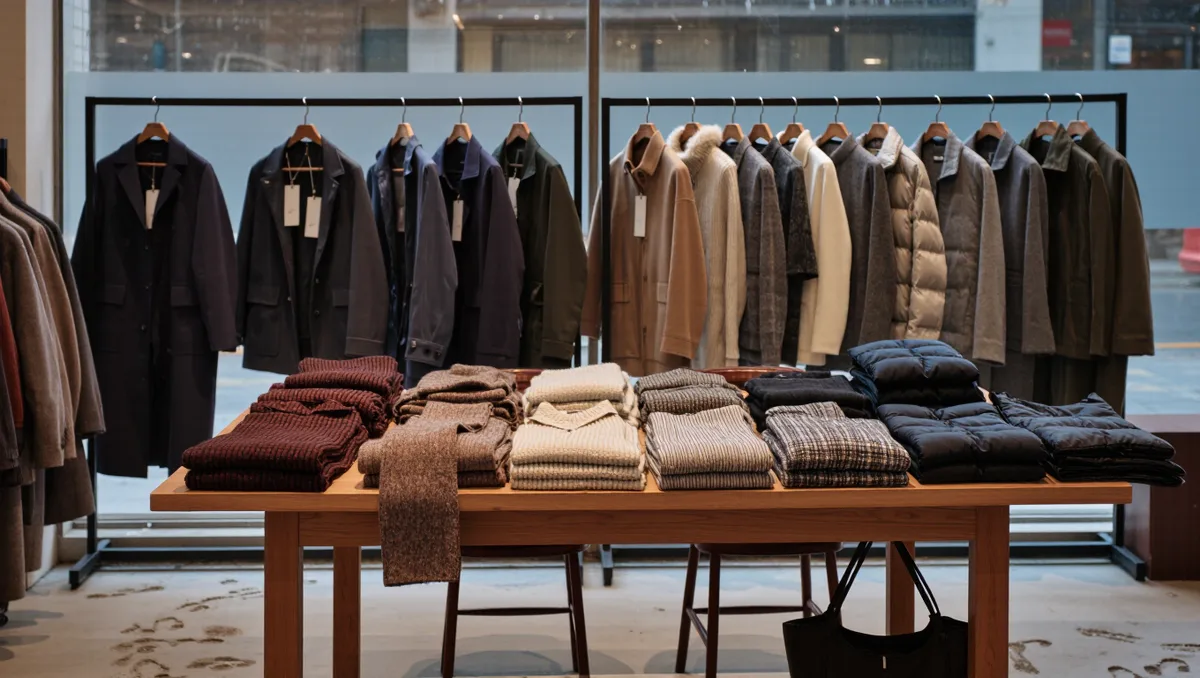
- Shell: the coat, which blocks wind and holds heat. Everything underneath should still make sense with the coat off.
The test is simple: stand in your apartment with the coat off. If that outfit works for a full day indoors, the formula is right. If you are already sweating before you leave, the middle layer is too heavy, and no amount of clever base layers will save the commute.
How do you survive the subway heat without freezing on the platform?
The subway is the variable that breaks most winter outfits. Cars run warm, platforms are colder, and the walk between them is exposed. The trick is to make every layer individually removable at the collar and cuffs, and to keep the thinnest layer capable of standing alone.
That is where the base layer earns its keep. A sleek bodysuit or fitted thermal under a shirt reads as a top on its own, which is why stylists keep recommending the move; ELLE's layering guide points to a black bodysuit under a shirt as a way to add warmth and contrast at once. When the car heats up, the coat comes off, then the sweater ties around the bag, and you are still dressed. When the platform wind hits, everything goes back on in about ten seconds. Readers following this should also see Why New York Wears Black: A Field Guide to the City's Uniform Color.
What does not work: a single heavy sweater over a camisole. There is nothing between those two states. You are either freezing on the platform or roasting in the car, and both feel like a choice you made badly.
What fabrics actually earn their place?
Fabric choice matters more than layer count. Two thin layers of the right material beat one thick layer of the wrong one, because air trapped between layers is what insulates, not the layers themselves.
- Merino wool is the workhorse. Thin, warm when damp, and it does not hold odor the way synthetics can. It is the reason a fine-gauge wool base layer can survive a week of commutes between washes.
- Cotton belongs in the middle of the stack, if anywhere. Warm when dry, clammy when not. A cotton shirt over a thermal is fine; a cotton base layer under a coat is not.
- Fleece and technical knits give the most warmth per millimeter and dry fast, which matters if you get caught in sleet. They look more athletic, so the color and cut have to do the styling work.
- Silk and fine synthetics solve the thin-layer problem under dress clothes. A silk-weight crew under a blouse disappears entirely.
Down is a coat material, not a layer material, in this city. A puffer vest under a wool coat works for some people, but for most commutes the bulk is not worth it once you are indoors.
What works below the coat?
Trousers are a one-layer decision, which makes them the least forgiving part of the outfit. The honest options are few. Lined wool trousers handle wind and cold and still look like office clothes. Thermal leggings under wide-leg trousers add warmth invisibly, and they peel off in an office bathroom in under a minute if the day runs warm. Denim is the default for a reason, but a single layer of cotton is the weakest cold-weather choice on this list; if jeans are the plan, the coat and boots have to compensate.
Shoes are a logistics question more than a style one, which is a whole conversation in itself. The short version for winter: soles with grip, and a pair of boots that can survive a slushy curb. Socks are the one place below the waist where layering is allowed, and a wool sock under a cotton sock is an old skier's trick that works on an exposed platform too. We covered a connected angle in Sneakers Are a Logistics Decision: What New York's Shoes Say About the City.
How do you make it look deliberate instead of piled on?
This is where the runway version helps. The shows this season made a case for contrast and framing: a collar peeking out under a knit, tonal colors stacked in the same family, one unexpected texture doing the talking. ELLE's editors flagged the return of maximalist shapes and palettes as permission to revive an old patterned sweater hiding in the back of the closet, with the added warmth as a bonus.
Practically, that translates to a few moves:
- Keep the palette narrow. Three layers in three unrelated colors reads as costume; three layers in one tonal family reads as intentional.
- Let exactly one layer show its edges. Collar under crewneck, shirt hem under sweater, scarf as the punctuation.
- Vary the weights. Thin, medium, structured. Two chunky layers stacked is bulk without warmth.
Fit is the skill underneath all of it. A thin layer only disappears under the next one if it is actually thin and actually fits. Anything that bunches at the shoulder will bunch under a coat, and the coat will punish you for it all winter.
Our analysis: the formula that outlasts the season
The evidence points to one conclusion. Winter layering in New York is not about owning more clothes; it is about assigning each piece a single job and letting the coat absorb the weather. A thin wool base, one good middle layer, a wind-blocking shell, and trousers chosen once and worn all week will outperform a closet full of statement knits that only work at thirty degrees and below.
What remains unknown is how far the runway's maximalist take filters down to the commute. The shows can style a silk collar under a chartreuse knit for a photographer; the 6 train at 8:15 a.m. asks a narrower question. But the fundamentals the designers are working with are the same ones that keep a commuter comfortable, and that alignment does not happen every season. It is worth borrowing while it lasts.