What is the most important garment in New York? Not the little black dress and not the sneaker. It is the winter coat, worn roughly five months a year, visible in every meeting and on every platform, covering whatever you actually chose to wear. In this city the coat is not an accessory to an outfit. The coat is the outfit; everything underneath is a rumor.
Consider the arithmetic. A New Yorker who leaves home in December and returns in March will spend more daytime hours in a coat than out of one. Wind accelerates between midtown towers, the Hudson throws horizontal sleet at anyone waiting for a crosstown bus, and the temperature swing between an unheated platform on the B line and an overheated office on the fortieth floor can span thirty degrees in twenty minutes. Dressing for New York winter means dressing for transit, not for weather. That's the whole trick.
Why is the coat such a status symbol here?
Because it is the only garment everyone can read from across the street. Uptown, the puffer hierarchy is precise: a quiet quilted parka from one of the heritage English houses signals one budget, a technical expedition down coat signals another, a brightly colored status puffer borrowed from the 1990s signals a third — usually younger and wealthier than the cut suggests. On the platforms of the L and the 6, the same hierarchy compresses but does not disappear. New Yorkers are expert readers of coat seams, hardware, and the tell-tale shine of cheap synthetic fill.
The irony is that status here is mostly about warmth. A genuinely warm coat — long, down-filled, wind-blocking — costs real money, so wearing one without visible anxiety about the cold is itself a flex. The person shivering elegantly in a wool overcoat on the Fulton Street platform is performing a different budget than the person encased in technical nylon at the same station. Neither is wrong. They are just answering different questions with their outerwear.
How much should a New York winter coat cost?
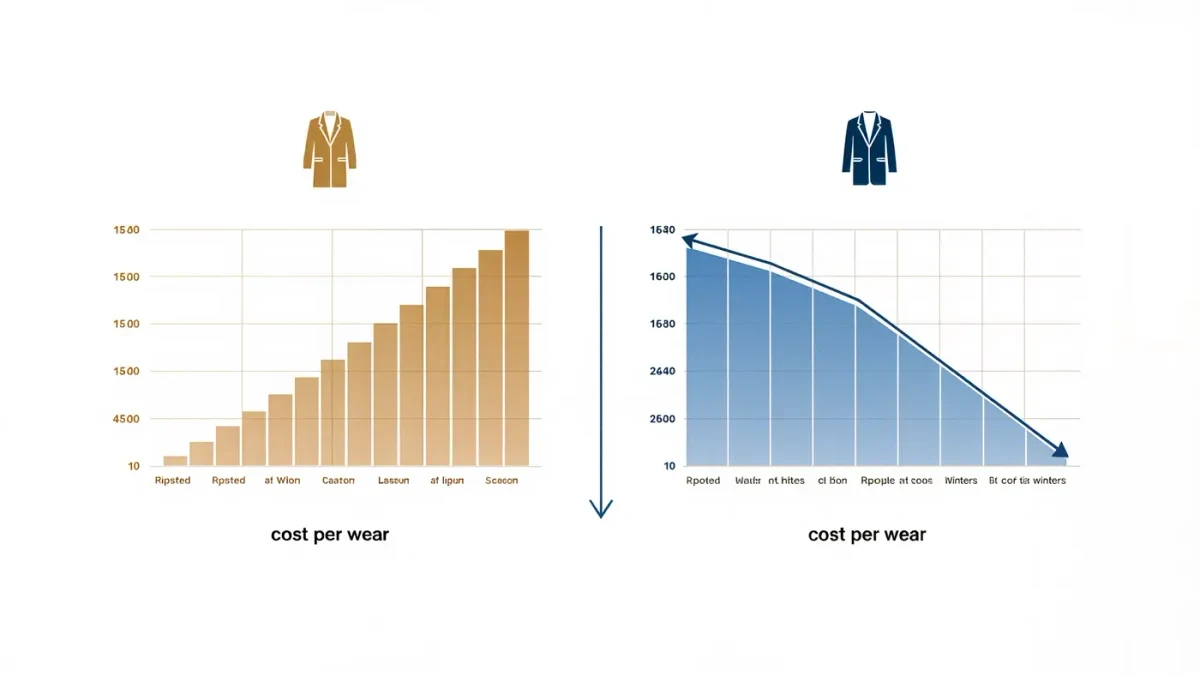
Working logic, not fashion logic: budget by seasons of use. A $150 fast-fashion coat that pills and loses fill by February costs more per wear than a $600 wool-and-down hybrid that lasts six years. Federal consumer spending data collected by the Bureau of Labor Statistics consistently shows urban households devoting a meaningful share of apparel budgets to outerwear, and New York exaggerates the national pattern — a coat here works harder than a coat in Atlanta. The sweet spot for most residents sits between $300 and $800, where you get sealed seams and real fill without entering luxury pricing.
The second-hand market changes the math again. Housing Works on the Upper West Side, Beacon's Closet in Williamsburg, and the annual coat drives run by the New York City Department of Homeless Services and charities across the five boroughs all move quality outerwear between closets at fractions of retail. A decade-old down parka from a good maker, cleaned and re-proofed, outperforms most new mid-market coats. New York recycles its coats the way it recycles its apartments: constantly, and with negotiated feelings.
What do different coats say about their wearers?
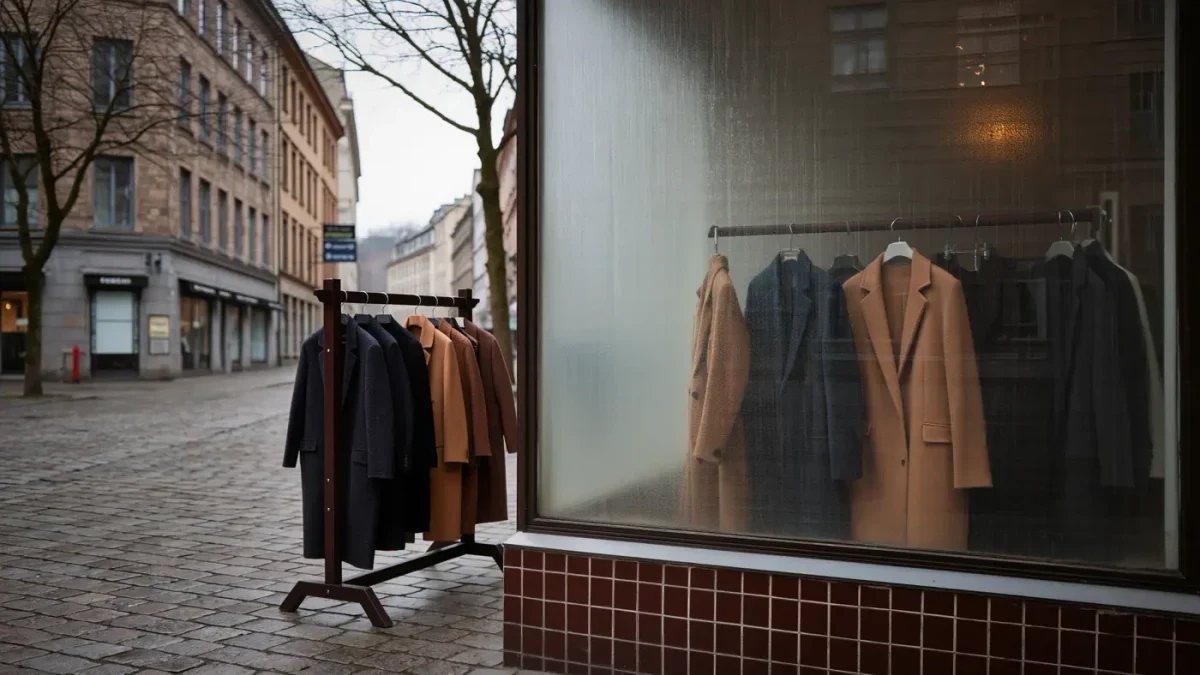
The wool overcoat, cut long and worn over a suit, is the financial district's ghost — still visible around Wall Street and midtown office lobbies, a holdover from the era when tailoring was mandatory. The knee-length down parka is the city's actual majority uniform: practical, unphotogenic, ideal for the Q train. The teddy-texture or shearling jacket is downtown's winter offering, warm enough for the short walk between car and restaurant. And the giant duvet puffer, now ubiquitous, is the city's truest garment: unbothered, shapeless, fundamentally concerned with its own survival.
There is also the coat as portable home. Watch commuters in January and you will see gloves tucked into sleeves, a week's groceries in tote bags slung over parkas, earbuds threaded through collars. The coat is infrastructure — a locker, a blanket, a windbreak, occasionally a nap surface on the F. No other garment in the American wardrobe is asked to do this much work.
Is there a right coat for New York, finally?
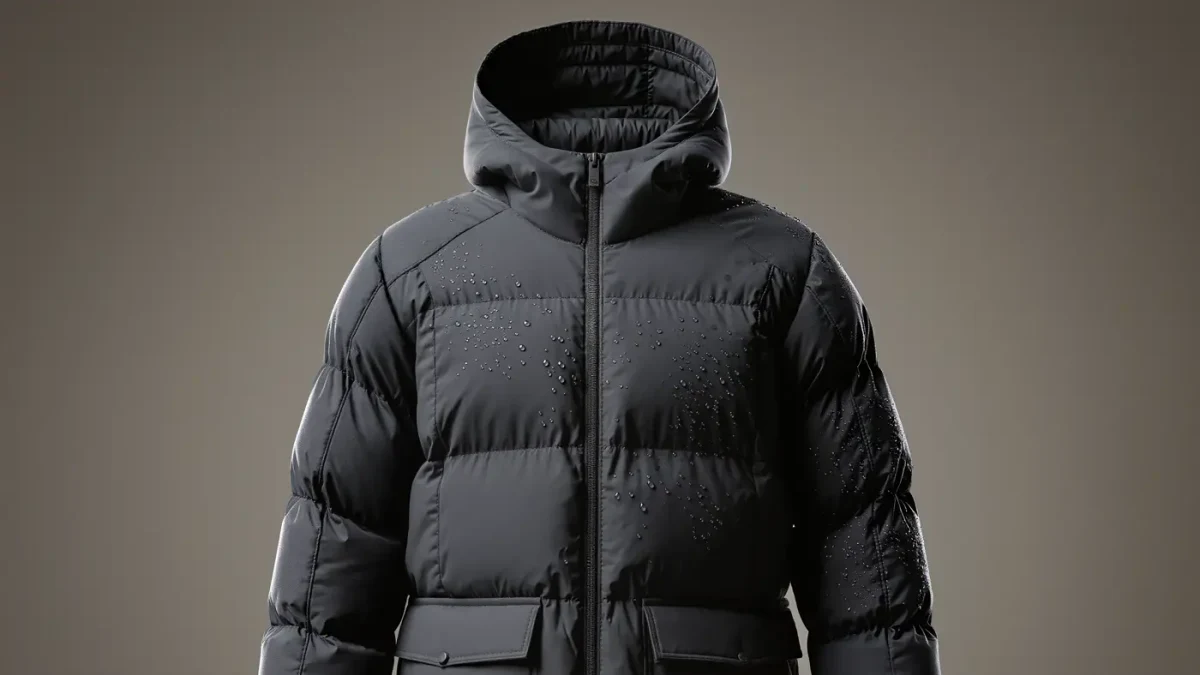
Yes, and it is boring: a long, warm, hooded coat in a dark neutral that closes fully against wind, with pockets deep enough for a phone, keys, and an MetroCard-era habit of stuffing receipts everywhere. Everything else is commentary. Fashion people in this city are identifiable in winter by one act of rebellion — a striking silhouette, an unexpected color, a vintage fur — set inside an otherwise ruthlessly practical shell.
The coat deserves more credit than it gets. It is the city's most honest garment, the one piece that New Yorkers buy for the climate rather than the camera, and the first thing anyone sees. In a town obsessed with reinvention, the winter coat is the fixed point: every year the same arithmetic, the same platforms, the same wind on the bridge. Buy once, buy well, and wear it like a uniform. That is what it is.
Where do New Yorkers actually buy coats?
The retail map sorts by strategy. Big-box outdoor retailers and department store sales handle the volume market; the mid-market independent — the outerwear specialist block on the Upper West Side, the workwear stores that migrated from job sites to everyone's closet — sells the six-year coat. Vintage and consignment take care of the patient. And January itself is a pricing event: by deep winter, retailers are clearing inventory that has already missed its season, which is why the coldest weeks reliably produce the best markdowns on the warmest stock. Buy the parka in February, wear it for a decade. The city rewards that kind of calendar.