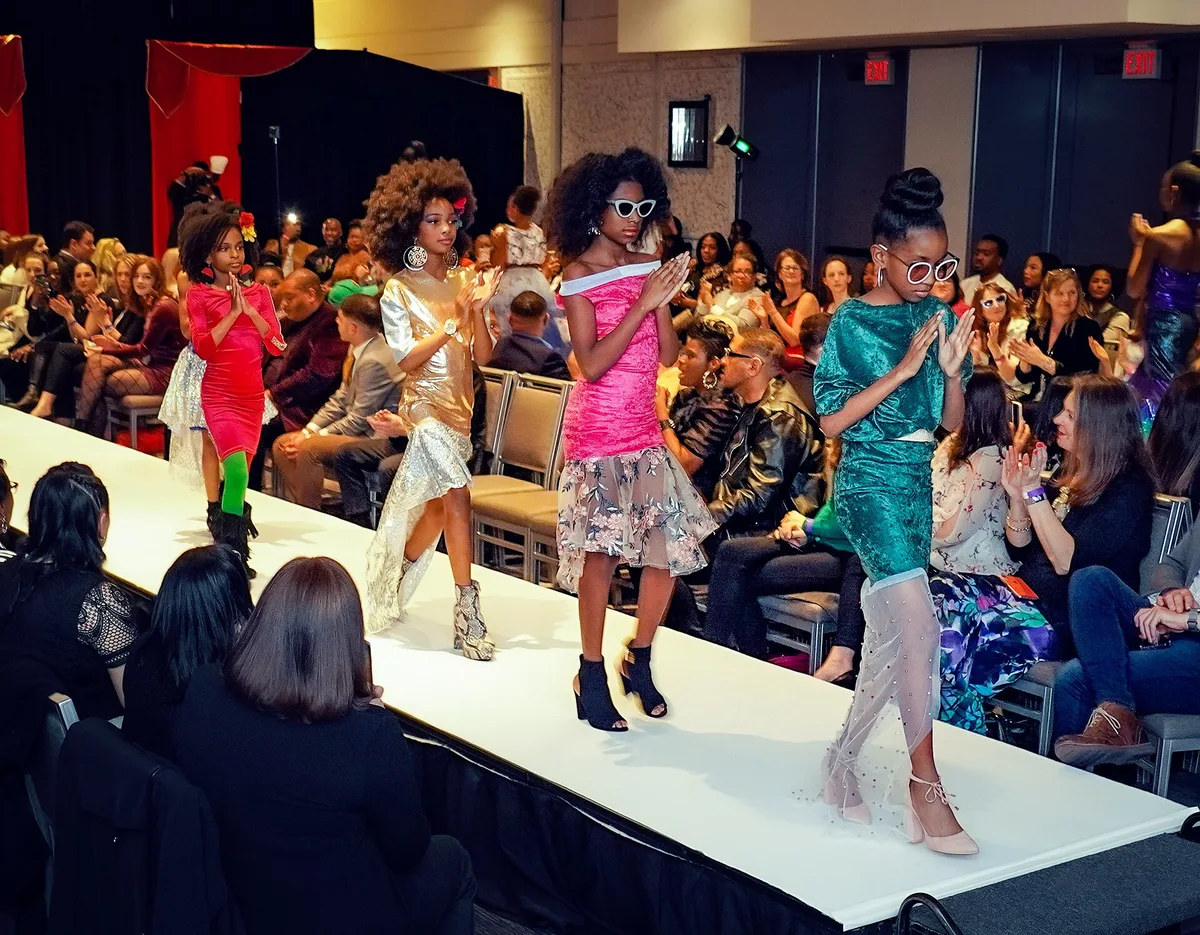
When you open a show gallery online, you are looking at a sequence someone built on purpose. The first look sets the thesis. The middle looks work the idea through fabric, color and cut. The last look is the sentence the designer wants remembered. Once you know that, you can read a collection the way the word actually means: interpret meaning from signs, not just scroll past forty images.
The trick is separating the story from the stock. A typical ready-to-wear show mixes two kinds of garments. One kind advances the idea. The other kind pays for it. Both matter, but only one is the message, and the sequence usually tells you which is which.
Why does the opening look matter so much?
Look 1 is the designer's opening argument. It is chosen first, rehearsed first, and it walks to a room that has not formed an opinion yet. Convention favors a strong silhouette in a controlled palette, often the collection's most disciplined garment. It says: this is the shape, this is the mood, this is the world. If Look 1 is a long charcoal coat with sharp shoulders, expect the show to keep returning to that shoulder line. If it is a wash of color, expect color to be the subject.
The opening look is rarely the most commercial piece in the room. That is deliberate. It is a thesis statement, not a sales pitch. Watch what it establishes and you will spend the next eleven minutes recognizing echoes instead of seeing forty unrelated outfits.
What is the middle of the show actually doing?
The middle is where the argument develops, and it usually moves in movements rather than a straight line. Designers group looks: a run of tailoring, then a run of evening, then a run of outerwear. Each group tests the idea in a different material language. A crisp cotton shirtdress and a bias-cut silk slip can carry the same idea because the cut repeats even when the cloth changes.
Color is the clearest narrative tool in this stretch. A run of looks in one palette usually marks a chapter. When the palette breaks, a new chapter has started. A single red look inside a run of neutrals is not styling noise; it is a spotlight. The designer is telling you where to look. Count the repetitions. If a particular sleeve, hem or wash appears eight times across different fabrics, that is not a coincidence. That is the collection.
Timing matters here too, and not just dramatically. As we covered in Twelve Minutes, Timed to the Second: The Hidden Choreography of a Runway Show, the pacing of exits and entrances is engineered. A slow, deliberate walk often signals a garment worth studying. A brisk exit usually signals a piece the room already understands. For related coverage, see Twelve Minutes, Timed to the Second: The Hidden Choreography of a Runway Show.
Which looks will buyers actually order?
Here is the practical part. Buyers do not order the show; they order the rail. The looks most likely to become store stock share a few traits, and you can spot them from a laptop.
- Repeatability. A look that appears in three variations, three fabrics or three lengths is a piece the house plans to produce. Repetition is a production signal, not a styling tic.
- Wearability without dullness. The buyer's sweet spot is a garment that reads clearly in ten seconds and still carries the collection's idea. A familiar silhouette with one twist, a familiar fabric in an unfamiliar proportion.
- Fabric at a plausible price. A double-faced wool coat signals a certain retail tier; a washed poplin signals another. Buyers order to their customer's budget, and the cloth tells them which looks fit.
- Sizing sanity. A look cut for real bodies, in fabrics that grade across sizes, will be ordered. A look engineered for one sample body will not.
- Position in the sequence. Looks placed just before the finale are often the commercial heart of the show, the garments the designer wants fresh in the memory when the appointment book opens.
The full mechanics are in From Runway to Rack: How Buyers Turn a Fashion Show Into a Store Order, but the short version is this: roughly a handful of looks from a forty-look show will drive most of the order. Spotting them is a skill, and it starts with noticing which looks repeat. This connects to our earlier piece, From Runway to Rack: How Buyers Turn a Fashion Show Into a Store Order.
What is the closing look telling you?
The finale is the designer's signature on the work. It is almost always the most theatrical look in the show: the bridal moment, the head-to-toe statement, the piece no store could sell but every photographer must shoot. Its job is not commerce. Its job is memory. A closing look distills the collection into one image, and that image is what the coverage will run tomorrow.
Read the finale against the opening and you have the collection's whole arc in two garments. Look 1 says where the idea starts. The finale says where it ends. Everything between is the route taken. If the two looks rhyme, in silhouette, palette or attitude, the collection was disciplined. If they share nothing, the show may have been a mood board rather than an argument.
How do you practice this on your own screen?
Practical steps, no front-row ticket required. Open a show gallery and go straight to the look numbers rather than the grid. Read Look 1 and the final look first, then the middle in order. Note every time a color, a fabric or a cut repeats. By the second pass, the story looks will separate from the stock looks on their own. The repeats are the message. The one-offs are the noise, however beautiful.
Then check yourself against the commercial read. The looks you flagged as repeats should overlap heavily with the pieces a buyer would order: wearable, gradable, produced in multiples. When your story read and your stock read agree, you are reading the collection the way its designer built it.
Our analysis, after years of watching shows from the sixth row and the screen: the gap between a good collection and a memorable one is coherence, not spectacle. A designer who can make forty looks say one thing, and still leave five of them sellable, has done the hardest job in the business. That is what the sequence is for. That is the whole trick.
None of this requires insider access. It requires patience and a willingness to look twice, which is what the runway has always asked of its audience, whether the audience sits at a venue downtown or scrolls at home. The clothes are the text. The order is the grammar. Learn the grammar and every show becomes legible.