How tightly is a runway show actually timed? To the second. A typical show runs eight to fifteen minutes, and every one of those minutes is mapped in advance: which model exits when, how many seconds separate each walk, where the quick changes happen backstage, and which light cue fires on which bar of music. The apparent ease of a model strolling down a platform is the output of a cue sheet more detailed than most broadcast productions use.
The choreography begins with the running order, assembled by the stylist with the designer weeks out. The order is dramaturgy: an opener chosen to set the tone, a middle built for rhythm and pacing, a closer engineered to end on the collection's strongest image. Looks are sequenced so that similar silhouettes do not land back to back, so that the cast's quick changes are physically possible backstage, and so the finale — often a bridal, a gold look, or simply the best coat — arrives exactly when the music does.
What does the timing actually look like?
At a standard pace, a model's walk — exit, platform, turn, return — consumes forty-five seconds to a minute. Multiply by a cast of thirty in forty looks, factor in quick changes, and the arithmetic starts to pinch immediately. This is why gap management is the choreographer's real craft: the space between exits is tuned so that one model reaches her turn as the next enters, keeping the platform never quite empty and never crowded. Compress the gaps and the show gains urgency; stretch them and each look gets a moment of silence. Producers rehearse this rhythm in walk-throughs, adjusting seconds that audiences will never consciously register but will absolutely feel.
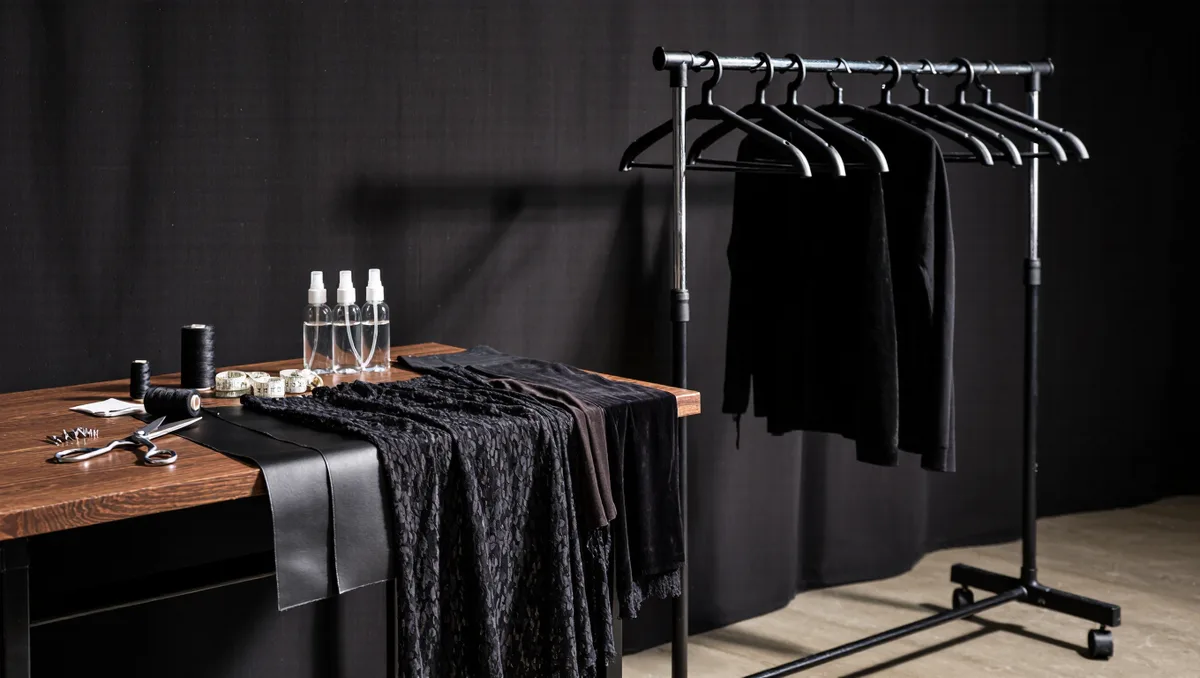
Backstage, the timing runs on a parallel clock. The quick change is the system's stress test: a model finishing her walk must shed one look and be dressed in the next within sixty to ninety seconds, with a dresser who has rehearsed the sequence and a lineup coordinator tracking every second against the board. Shows with complex garments — corsetry, layering, architecture — must sequence the running order around how fast each look can come off, which means the backstage logistics quietly dictate what the audience is allowed to see in what order.
| Segment | Typical duration | Owned by |
|---|---|---|
| Doors and seating buffer | 20–40 minutes late | Front-of-house manager |
| Opening sequence | First 2–3 exits | Stylist, show caller |
| Core walk rhythm | 45–60 seconds per exit | Show caller, lineup coordinator |
| Quick changes | 60–90 seconds backstage | Dressers, seamstresses |
| Finale walk | Cast procession, 60–90 seconds | Choreographer, show caller |
Who keeps it all on tempo?
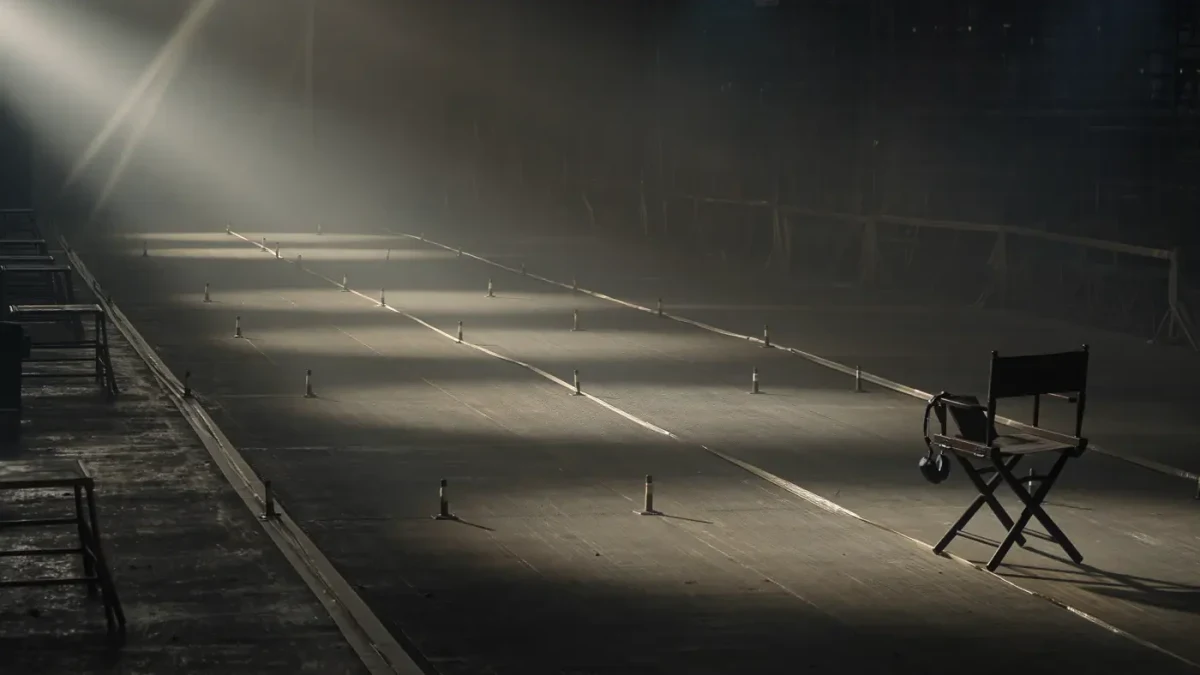
The show caller, on headset, calling every cue from a script of the show: lights, music, and model releases against a master clock. Choreographers — a genuinely specialized role — set the walk style itself, drilling models in rehearsals on pace, turn, and spacing so that thirty individuals move like one instrument. Rehearsals happen in the hours before doors, on the actual platform, with stand-ins walking the exact route while the caller and the music director tune the sync between track and tempo. When a show's walk looks identical across a cast, that is rehearsal; when it looks effortless, that is the caller adjusting in real time for a model who lingered a beat too long at the top of the platform.
The famous lateness of shows is, ironically, part of the timing system. Late starts absorb audience arrival chaos, but they also compress the evening's downstream logistics — a show that starts thirty late still ends on a hard out, because the venue, the crew, and the next production's load-in wait for no one. Federal data on the performing arts sector documents how thoroughly timed live production has become as a discipline, and fashion borrowed its rigging from theater decades ago; the cue sheet, the headset, the master clock — all of it is Broadway's gift to the catwalk.
What can go wrong in twelve minutes?
Everything, which is why redundancy is built into every layer. Models are pre-set in backup dressing positions when the schedule allows; music has a failover track; light cues have manual overrides; the caller can stretch or compress gaps live to absorb a backstage jam. A stumble on the platform is handled by choreography's oldest rule — keep moving, own it — and the audience reads resilience as style. The shows that survive a mistake gracefully are the ones with the deepest planning, because improvisation at this tempo is only possible on top of a system.
The audience reads resilience as style. The system calls that contingency planning.
The finale deserves its own paragraph because it is the show's most engineered segment. Every model returns to the platform in one processional — walk order rehearsed so the strongest looks anchor the ends of the line, spacing set so the group reads as a single silhouette from the back of the room, and the music cued to peak exactly as the designer emerges for the bow. Stage managers time the finale to the second because it is the segment most photographed from every angle at once: one hundred phones, four broadcast cameras, and no second take. A finale that lands is the show's last impression and its most reusable image, and everyone in the production chain knows it. The rehearsals run long for this reason alone.
Twelve minutes is a long time in live production and a blink in memory, and the show's true achievement is that nobody in the room thinks about timing at all. The clock that runs the catwalk is invisible by design. That is the whole discipline.