What does an independent designer do when a runway show costs more than the collection it presents? Almost anything else. The alternatives have matured into a genuine second vocabulary: a seated dinner for forty editors, a two-day open showroom, a short film released online, a one-on-one appointment week, a borrowed apartment styled into a world. In New York, where the middle of the fashion market has been squeezed for a decade, the inventive low-budget format is no longer a compromise. For many emerging labels it is the smarter play, and everyone in the industry has learned to read it without condescension.
The math forces the creativity. A proper show can consume an entire season's working capital, and an independent label's order sheet — a handful of stockists, mostly direct-to-consumer sales — rarely justifies it. So the question the young designer asks is not "how do we stage a show?" but "what is the minimum event that produces images, press, and orders?" The answers cluster into a few proven formats.
What are the alternatives that actually work?
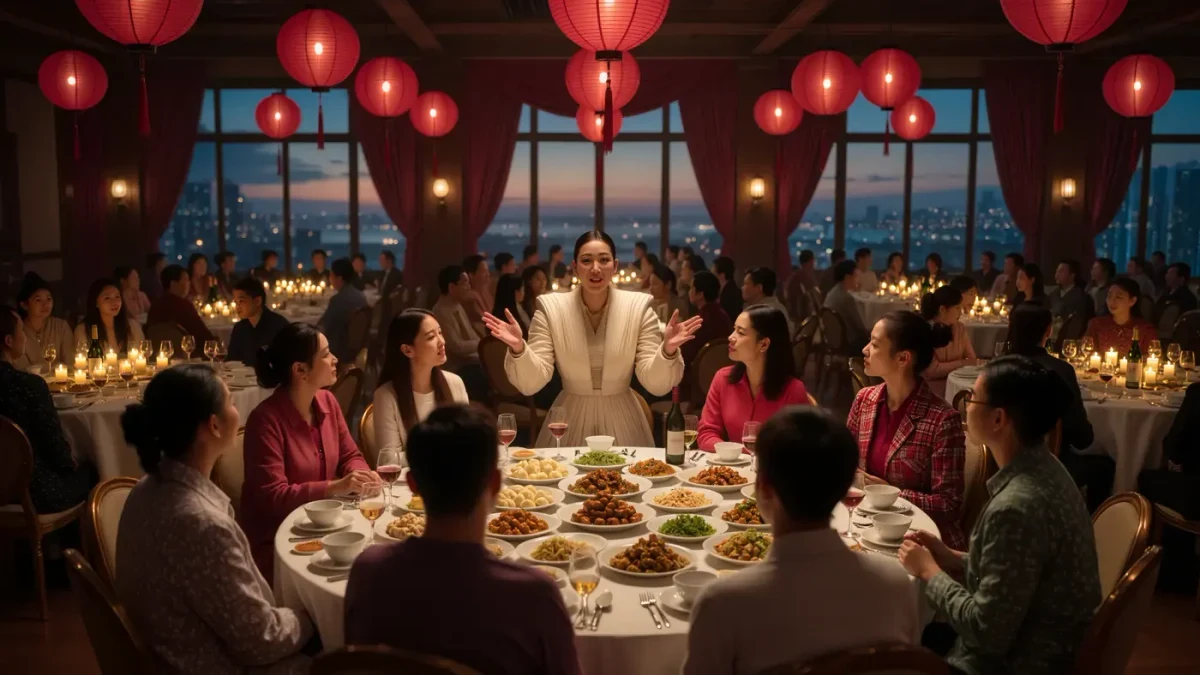
The dinner is the classic. Forty covers in a Chinatown banquet hall, a Red Hook backyard, or a borrowed West Village garden: lower cost than a show by an order of magnitude, and structurally better at its actual job — intimacy. Editors stay for two hours instead of twelve minutes; conversations happen; the clothes are worn rather than watched. A dinner converts the show's economics on its head: the brand often spends less on production than on wine, and the guests feel chosen rather than processed. The risk is scale — a dinner produces no video, no livestream, and a small fraction of the imagery a show generates.
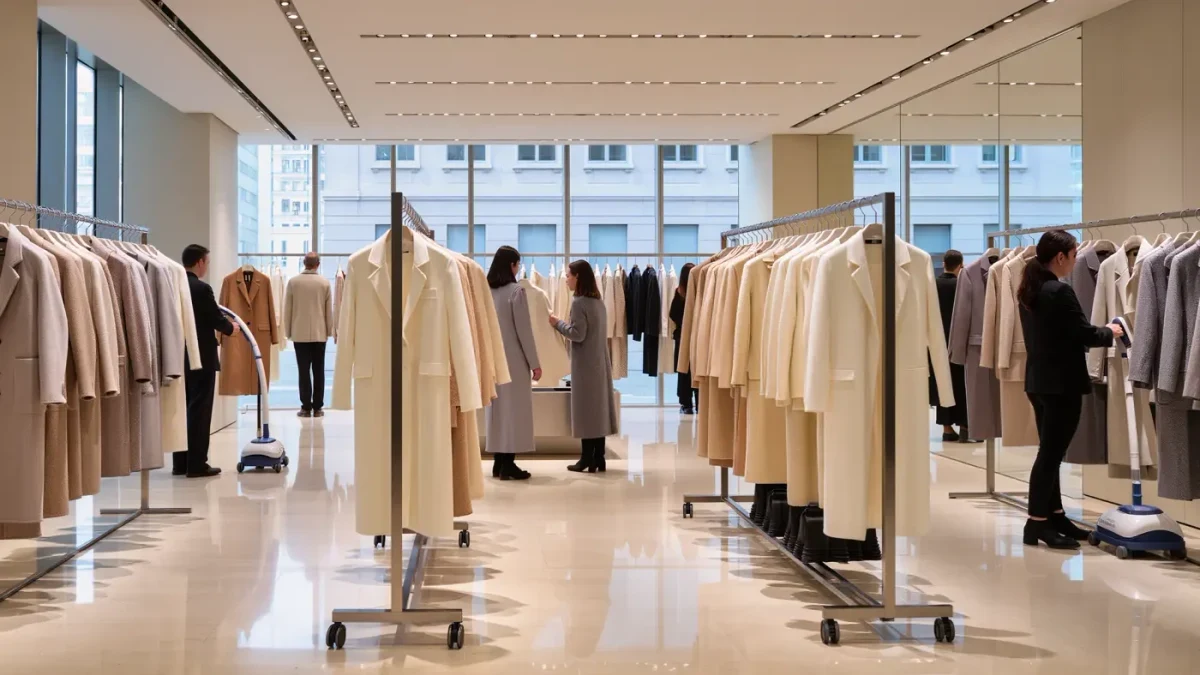
The open showroom or appointment week borrows wholesale's machinery and shrinks it. The designer takes a space for three days — a Lower East Side storefront between tenants, a friend's studio in Bushwick, a Nolita walk-up — and schedules buyers and editors in half-hour slots. It produces the thing the business actually needs, orders, and images if the room is styled with intent. The film is the ambitious cousin: a two-to-five-minute piece shot for the price of a modest show, released on the brand's own channels, where it keeps working after fashion week ends. Done well it outperforms a livestream nobody watched; done badly it is an expensive mood board.
- The dinner: intimacy and press relationships at a tenth of show cost; low image output.
- Appointment week: orders first, content second; the workhorse format.
- The film: durable owned media; high creative control, high execution risk.
- The lookbook drop: a styled shoot released with a dinner or without any event at all.
- The collaboration party: partner-funded events where another brand's budget hosts your audience.
Do these formats actually move the business?
For the independent label, often more reliably than a show would. Orders come from appointments, not applause, and press coverage of emerging brands follows narrative rather than spectacle — a dinner with a story, a film with a point of view, a studio visit that makes an editor feel like an insider. Small business employment data shows how thin the margins are across New York's design sector: most fashion firms are small businesses operating on seasonal cash flow, and a format that preserves working capital is not timid. It is survival dressed up as taste.
The prestige penalty has faded too, partly because the industry's attention has decentralized. A influential stylist posting a dinner look can do more commercial work than a review; a film that travels can reach more customers than any room holds. And fashion week's own calendar has softened around the edges to accommodate the alternatives, with official schedules and venues offering lower-tier slots and group showcases that give young brands institutional cover at shared cost.
When does a designer finally need the runway?
When scale arrives. The show earns its cost at the moment a brand needs to communicate with hundreds of accounts at once, or when the collection's idea genuinely requires motion and spectacle to land. Until then, the small format is not a waiting room. Plenty of labels have built identities on the dinner-and-film circuit precisely because scarcity suits them: fewer images, better chosen; fewer guests, deeper relationships. The runway, it turns out, is a tool and not a milestone — and the savviest young designers in New York pick it up only when the job requires it.
The question is not how to stage a show, but what is the minimum event that produces images, press, and orders.
The sharing economy has its own chapter here. Group showcases — a dozen labels splitting one venue, one lighting rig, one bar — spread fixed costs until each brand's share becomes trivial, and the collective format generates its own press angle: a scene rather than a show. Media outlets cover a coherent group of emerging designers more readily than eleven separate lookbooks, and buyers appreciate a single afternoon that covers a whole tier of the market. The trade-off is individual visibility; a brand can disappear into the group. The labels that benefit treat the group show as a gateway, not a home — one shared season to build the list, then a solo format the next cycle, once the appointments are theirs to schedule.
The dinner table in a banquet hall on Mott Street, then, is not a consolation prize. It is a format with its own logic: two hours instead of twelve minutes, conversation instead of spectacle, and a bill the brand can actually pay. That is the whole strategy.